

Dancing Road: Sprint & Match
- Reviews
- 4.5
- Version
- 2.8.2
- Installs
- 100,000,000+

Screenshots
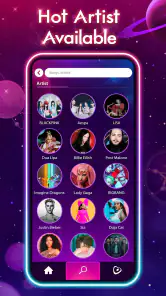
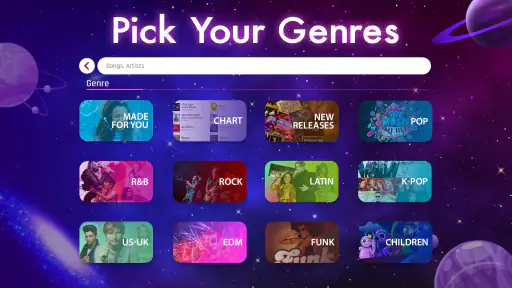
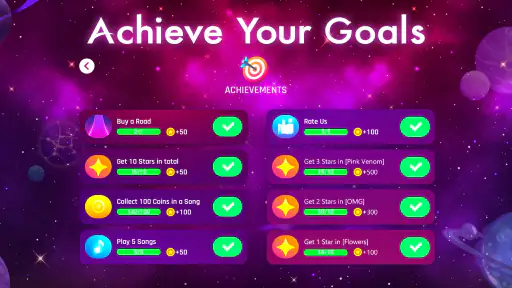
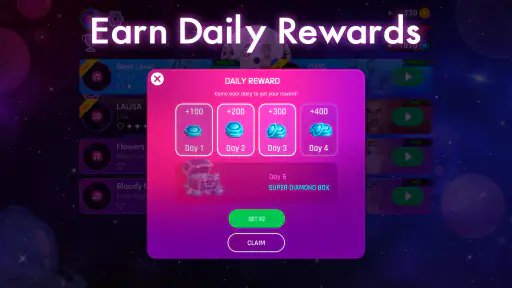
 Analysis by Frivlyz
When I first opened Dancing Road: Sprint & Match, I expected a quick music game, and that is the right way to approach it: short bursts of attention, a moving ball, and color-matching decisions made to a beat. It is not a music editor or a place to browse songs; the appeal is in reacting while the track and road keep moving. If you enjoy games that ask for quick left-or-right choices, it gives you a clear starting point without demanding a long tutorial.
What to expect from a music runner
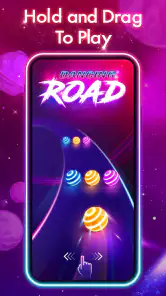
The basic idea is easy to grasp, but the combination of motion, color and timing is what makes a run engaging. You guide a ball along a changing road and try to meet balls of the same color. The challenge is less about memorizing complicated controls than about noticing what is ahead and committing to a move before the opportunity passes. I found that makes the game approachable for a first session, while still leaving room to get more consistent over repeated attempts.
As a free music game from AMANOTES PTE. LTD., it sits between a conventional endless runner and a rhythm title. A standard runner tends to focus on avoiding obstacles and staying alive; a traditional rhythm game often asks you to hit clearly timed prompts. Here, I think the color-matching task gives the music a practical role without turning the experience into a strict test of musical skill. You do not need to know a song or read notation to understand the goal.
Our Stories on Dancing Road: Sprint & Match
Dancing Road: Sprint & Match – Where Rhythm Meets Digital Culture
NewsDancing Road Turns Short Breaks Into a Test of Rhythm and Timing
NewsReal Piano: Revolutionizing Mobile Music Learning
NewsSuper Stylist Makes Every Outfit a Test of Taste and Patience
NewsDominoes on Your Terms: Who Should Play and Who Should Pass
NewsPokémon GO Makes the Familiar World Feel New
NewsGetting started without overthinking it
For a first-time player, I would treat the opening run as a chance to learn how the road communicates its next move rather than as a score challenge. Keep your attention on the ball and the next color match, and use small, deliberate swipes instead of trying to anticipate several turns at once. That simple approach makes it easier to tell whether a mistake came from reacting late or choosing the wrong direction.
The game is rated for Everyone, and its controls are straightforward enough to make it suitable for casual play. It is free to install, with optional in-app purchases priced from $0.99 to $49.99 per item. I would begin without spending anything and decide later whether the game’s rhythm-and-color loop holds your attention. It runs on Android 6.0 or later, and version 2.8.2 is the current release. The game has a 4.5 average from around 760,000 ratings and more than 100 million installs, which suggests that this simple premise has found a broad audience.
Turning a first run into a useful one
My practical tip is to use a first attempt to build a rhythm of looking ahead, matching the color and then resetting your attention for the next decision. If you miss, avoid changing direction repeatedly in a panic; a quick, intentional input is easier to judge on the next try. This is a small distinction, but it helps separate a control problem from a timing problem, and it makes practice feel less random.
The music-game category is crowded with tap-to-the-beat titles and runners that rely mostly on dodging. Dancing Road’s specific trade-off is that your attention is split between the beat and the color route. That can make a successful match feel more active than simply tapping a note, but it may be less satisfying if you want precise musical scoring or a relaxed playlist experience. I would choose another kind of rhythm game if accurate note timing is the main reason I play.
Gaming Stories You May Enjoy

Chess.com Turns Rematches Into Rivalries, but Community Has Its Costs

Archery Battle 3D Review: Sharp Aiming, Unclear Feedback

Should You Switch to Geometry Dash Meltdown? A Test of Timing and Patience

Fidget Toys Trading・Pop It 3D: What Happens When the Game Stumbles

NBA LIVE Mobile Makes the Season the Main Event
Sonic Forces: PvP Battle Race - Speed and Strategy Combined
Where it fits into an ordinary day
I can see this working well during a short break: start a run while waiting for a kettle, between errands, or during a quiet moment before moving on to something else. The objective is immediate, so you do not need to set aside a long session just to understand what to do. At the same time, the quick-retry appeal can make a “one run” break stretch longer than planned, so it is worth deciding whether you want a brief distraction or a score-chasing session before you start.
It is also a better fit for someone who likes visual feedback and rapid decisions than for someone who wants to relax with music in the background. Because the road and color changes need attention, I would not treat it as a passive listening app or play while doing something that already requires focus. If you prefer slow, forgiving play, the need to react to the next match may feel more demanding than the cheerful presentation suggests.
The Beat of the Game
Imagine a game where music is not just a soundtrack, but a central mechanic. That's exactly what Dancing Road: Color Ball Run! brings to the table. The premise is simple: you guide a ball down a winding road, matching its color with other balls along the way. Easy, right? Well, the twist is that everything happens in sync with a catchy beat that keeps you on your toes.
Gameplay Mechanics
As you might guess, the game is all about timing and quick reflexes. The road changes colors, and so does your ball, requiring you to swipe left or right to stay on course. What I love about this game is how it combines the simplicity of a runner game with the complexity of rhythm-based challenges. Each level brings a new song, and with it, a fresh challenge that feels both familiar and exhilarating.
That mix of a changing route and matching colors is also where I would set realistic expectations. The music can help give a run momentum, yet I would not depend on listening alone to make every decision. Watch the route, make one clear adjustment at a time, and let the beat support your timing rather than replace attention to the screen. This is especially helpful if you are new to the game or returning after a break.
Visual and Audio Delight
The graphics are nothing short of dazzling. Bright colors and smooth animations make each run feel like a mini-rave in your pocket. But let's not forget the music - oh, the music! The game features a variety of tracks that range from pop hits to electronic beats, all perfectly synchronized with your gameplay. There's something incredibly satisfying about hitting those color balls in perfect rhythm with a song.
One useful way to judge whether the presentation works for you is to play a few runs with your attention on different things: first watch the color path, then notice how the beat relates to your decisions. If the audio helps you settle into a rhythm, it becomes part of the fun; if you find yourself following the sound and missing the visual cue, trust the road instead. That small adjustment can make the game feel less hectic without changing how you play.
Why You'll Keep Coming Back
One of the things that keeps me coming back to Dancing Road is the sheer variety it offers. With a wide range of songs and levels, the game never feels repetitive. Plus, the thrill of beating your high score or climbing up the leaderboards is a great incentive to keep those fingers tapping. It's one of those games that's easy to pick up but hard to put down.
For me, the strongest reason to return is that a failed run gives a clear opportunity to try the same basic skill again: react cleanly, stay focused on the match, and see whether the next attempt feels steadier. I would keep sessions short when I notice my inputs becoming rushed. Repeating attempts while tired can turn a timing game into guesswork, so taking a pause is often more useful than immediately chasing another score.
Who should give it a try
The game has been released since October 29, 2018, and it remains an easy recommendation for a player who wants an uncomplicated music-themed challenge rather than a deep simulation. Its current version is 2.8.2, and its Everyone age rating makes it suitable for a broad audience. With around 17,000 written reviews alongside its large rating total, there is plenty of public interest in this colorful runner, but the best test is whether you enjoy the moment-to-moment matching.
I would suggest it to casual players who like quick retries, bright feedback and a goal they can understand immediately. It can also suit someone who usually avoids rhythm games because they assume those games require musical experience: here, recognizing the color and reacting in time matters more than knowing how to play an instrument. On the other hand, a player seeking long-form progression, a calm soundtrack, or a strict beat-matching score may be happier with a different music game.
If you are wondering whether you need to pay before you can tell if it is for you, the free install gives you a sensible way to try the core idea first. I would only consider an optional purchase after I knew I wanted to keep playing, and I would check the price shown for each item before confirming anything. The listed purchase range is broad, so it is better to make that choice deliberately rather than treating every offer as part of the basic game.
A few useful habits for new players
When a run becomes busy, make the next color match your only immediate task. Trying to plan too far ahead can distract from the cue that actually needs a response, while repeated last-second swipes make it harder to learn what went wrong. After a miss, take a moment to identify whether you reacted late or moved toward the wrong color; that simple distinction gives your next attempt a purpose.
Another practical point is to choose your playing moment. Since this is a screen-focused game, it is a poor companion for walking through a crowded area, crossing a street, or multitasking around hot food and drinks. At home or while seated during a wait, you can give the road your attention and enjoy the music without turning a small break into an awkward distraction.
My final take
In conclusion, whether you're a fan of rhythm games or just looking for something new to try, Dancing Road: Color Ball Run! is worth a download. It's a game that combines music, color, and endless fun in a way that few others do. So, what are you waiting for? Get your groove on and hit that download button!
My recommendation comes with one condition: go in for the quick, visual reaction loop, not for a full-featured music library or a demanding rhythm-training tool. If that distinction matches what you want, I think it is an enjoyable little challenge and an easy game to test during a spare moment. If it does not, choosing a slower music experience or a more conventional runner is a sensible alternative.
Dancing Road: Sprint & Match Pros and Cons
Pros
- Visually appealing with vibrant colors.
- Challenging gameplay keeps you engaged.
- Wide range of music tracks to enjoy.
- Simple controls
- easy to learn.
- Regular updates with new content.
Cons
- Can be addictive for some players.
- Ads can disrupt the gaming experience.
- Requires internet for some features.
- In-app purchases can be costly.
- Limited offline functionality.
This Game in Other Languages
Frequently Asked Questions
What is Dancing Road: Color Ball Run! about?
Dancing Road: Color Ball Run! is an engaging music arcade game that challenges players to guide a colored ball along a dynamic path. The key objective is to match the ball's color with the tiles on the road, all while enjoying popular music tracks. It offers a thrilling combination of rhythm and reflexes, keeping players entertained as they progress through various levels.
Is Dancing Road: Color Ball Run! free to play?
Yes, Dancing Road: Color Ball Run! is free to download and play. However, like many free apps, it offers in-app purchases and advertisements. These purchases can enhance the gaming experience by unlocking new songs, balls, and other features. Players can disable ads by making a purchase, providing a smoother gameplay experience.
What are the device requirements for Dancing Road: Color Ball Run!?
Dancing Road: Color Ball Run! is available for both Android and iOS devices. For Android users, a device with Android OS 4.4 or higher is recommended. iOS users need a device running iOS 9.0 or later. A stable internet connection is also advised to ensure smooth gameplay and to access online features and updates.
Can I play Dancing Road: Color Ball Run! offline?
Dancing Road: Color Ball Run! can be played offline; however, certain features like daily challenges and leaderboard updates require an internet connection. Playing offline may also limit access to some of the latest song releases and updates. For an optimal experience, connecting online is recommended to fully enjoy all aspects of the game.
How can I improve my scores in Dancing Road: Color Ball Run!?
Improving scores in Dancing Road: Color Ball Run! involves practice and focus. Pay attention to the rhythm of the music as it guides the movement of the ball. Matching the ball with the correct colored tiles increases your score multiplier. Additionally, players can take advantage of power-ups available through in-app purchases, which can aid in achieving higher scores.


