

Dancing Cats - Cute Music Game
- Reviews
- 4.7
- Version
- 0.2.10
- Installs
- 10,000,000+

Screenshots
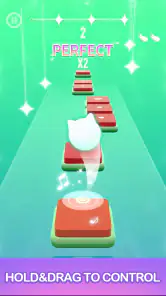
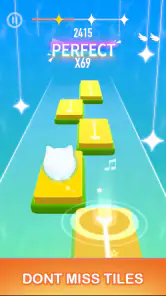
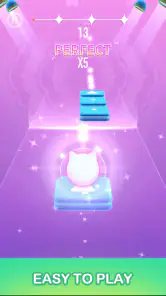
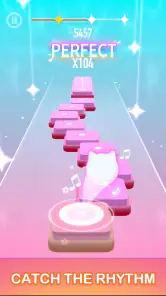

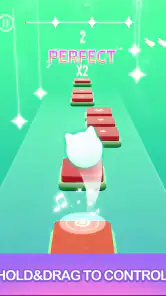
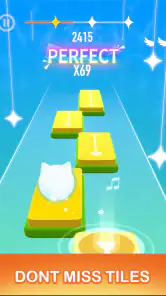
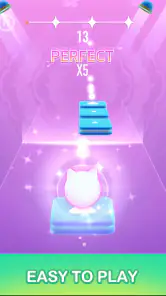
 Analysis by Frivlyz
When I want a music game that feels more playful than intense, I’m drawn to the idea behind Dancing Cats - Cute Music Game: rhythm taps wrapped in a cheerful cat theme. It suits the sort of short break where I want to focus on a beat without signing up for a complicated game. The important question is whether its goals and challenge can keep that first burst of charm going, and how well the experience fits different kinds of players.
What makes the first sessions appealing
The basic appeal is easy to understand: I follow musical cues, tap in time, and watch a cat-themed performance unfold. That simple loop gives a new player a clear first goal—listen, react, and get more comfortable with the rhythm. I don’t need to learn a long list of controls before I can start paying attention to the music, which makes the game approachable when I only have a few minutes.
Its musical-game format also gives each attempt a natural beginning and end. Rather than asking me to manage a large world or remember a long chain of tasks, it puts the beat at the center. That makes it a reasonable choice for a quick pause between other activities, or for someone who wants a light introduction to rhythm games. The cat presentation adds a distinctive mood, but the taps still need to land in time; the theme doesn’t replace the core challenge.
I would approach the opening sessions with a small, practical goal: learn to anticipate the rhythm instead of waiting until the last instant to react. That shift matters in any tap-based music game, and it makes the experience feel less frantic. If I’m playing while distracted, I’m more likely to miss cues and blame the timing, so a brief stretch of focused play is a better way to judge whether the controls suit me.
Meet the Feline DJs
Imagine combining the cuteness of cats with the addictive thrill of music games. That’s exactly what Dancing Cats - Cute Music Game delivers. As soon as you launch the app, you’re greeted by a vibrant world where cats are not just pets, but stellar DJs ready to groove to some catchy tunes. Each cat brings its own personality and rhythm style, which adds a delightful layer of diversity to the gameplay. Whether you’re a fan of techno beats or classical tunes, there’s a kitty DJ to match your vibe.
Gameplay and Features
Now, let’s talk gameplay. The mechanics are straightforward yet engaging. You tap along to the beats, helping your cat avatar dance perfectly in time with the music. The app features a variety of tracks, each progressively challenging, ensuring that both beginners and seasoned players find a suitable difficulty level. Plus, the app is regularly updated with new songs, so there’s always a fresh track to master.
One feature I particularly enjoyed is the customization aspect. You can deck out your cat in various outfits, which can be unlocked as you progress. This adds a fun, personal touch to the game, letting you express your style while dancing to the rhythm. And, let’s be honest, who doesn’t love a well-dressed cat?
Gaming Stories You May Enjoy

Dancing Road Turns Short Breaks Into a Test of Rhythm and Timing

Super Stylist Makes Every Outfit a Test of Taste and Patience

Dominoes on Your Terms: Who Should Play and Who Should Pass

Pokémon GO Makes the Familiar World Feel New

Chess.com Turns Rematches Into Rivalries, but Community Has Its Costs

Archery Battle 3D Review: Sharp Aiming, Unclear Feedback
Reading progress without rushing
In a rhythm game, progress is easiest to appreciate when I treat improvement as more than a growing collection of unlocks. Getting a little more familiar with a track, reacting more calmly to its changes, or finishing a session with fewer uncertain taps can feel rewarding even before I reach a new milestone. That’s a useful way to play here: let the music provide the immediate goal, and let unlocks act as a pleasant extra rather than the only reason to continue.
The outfit rewards give progress a visible, playful payoff. They can make repeated attempts feel more personal because I’m not only trying to improve a performance; I’m also working toward a different look for the cat. I’d keep expectations measured, though. Cosmetic rewards are motivating if I enjoy collecting and styling, but they won’t add much for someone who only cares about mastering difficult songs. In that case, the music and the timing itself need to be satisfying enough.
A helpful habit is to choose one track or one specific timing challenge as the focus of a short session, rather than tapping through everything without noticing what is difficult. If I keep missing the same kind of cue, slowing down mentally and listening for the musical pattern is more useful than simply tapping harder or faster. This is not a shortcut or a hidden mode; it is a way of getting more out of a straightforward rhythm loop.
The game’s broad appeal also comes with a trade-off: a simple control scheme is friendly, but it may not offer the tactile depth that dedicated rhythm-game players seek. Players who enjoy complex note patterns, detailed performance tools, or a very technical score-chasing experience may prefer a more specialized alternative. I see this as a lighter option, where clear, accessible tapping and a cute presentation are part of the point.
Difficulty, focus, and everyday play
Because the tracks become more challenging, I wouldn’t assume that a cheerful art style means every session stays effortless. When a rhythm gets quicker or less familiar, I need to pay closer attention, and that can turn a casual attempt into a focused little test. The most comfortable approach is to play when I can look at the screen and hear the cues clearly. Trying to squeeze in a round while talking, walking, or switching between tasks is likely to make the timing feel more frustrating than fun.
A realistic use case is a short break at home: I have a few minutes before starting another task, choose a song, and use the run as a quick change of pace. If I miss a beat, I can decide whether I want another attempt or whether I’m ready to put the phone down. That self-contained rhythm makes the game easier to fit around a busy day than an experience that expects me to remember a long sequence of objectives.
It can also work for someone who likes music but is unsure about rhythm games. The cat theme lowers the seriousness of the presentation, while the tapping gives enough structure to make listening active. I’d recommend starting with the tracks that feel comfortable rather than treating a difficult song as a test of skill. Once the beat feels familiar, moving toward a harder challenge is more enjoyable than repeatedly struggling through one that currently feels out of reach.
For younger players, the age rating is Everyone, which makes the intended audience broad. Still, I’d make the usual distinction between an age rating and a family’s preferences around screen time and optional spending. The game is free to download, while in-app purchases are listed at $2.99 per item. If I were setting it up for a child, I’d check purchase settings on the device and explain that optional purchases are separate from simply trying the game.
Visuals and sound in context
The graphics are vibrant and charming, perfectly capturing the whimsical essence of the game. The colors pop, and the animations are fluid, making every dance move look smooth and adorable. As for the soundtrack, it’s a catchy mix of genres that’ll have you tapping your feet in no time. The developers have done a stellar job ensuring that the music is as engaging as the gameplay itself.
The presentation is most useful when it supports the beat rather than distracting from it. I’d pay attention to whether I can comfortably follow the cues on my own screen and at my own pace. If visual activity makes it harder for me to concentrate, I would focus on the musical pattern and keep my play sessions short until the timing feels familiar. Someone who primarily wants a quiet, low-stimulation game may find a more subdued puzzle title a better fit.
Compared with a conventional music player, this is not a passive way to listen: I have to respond and keep my attention on the sequence. Compared with a more demanding rhythm game, it leans into a cute, approachable identity and a direct tap-based loop. That middle ground is its clearest use case. It is for people who want music to be part of the play, not merely background sound, but who may not want a specialist challenge every time they open a game.
It is also worth separating the game’s music appeal from a promise of personal taste. A mix of styles can make the experience feel varied, but no soundtrack will suit every listener equally. If I’m deciding whether to keep playing, I would judge both the way the tracks feel to tap along with and how much I enjoy repeating them. A song can sound pleasant but be less satisfying as a rhythm challenge, or the reverse; the best fit is the one that makes me want to try again.
Who it suits—and when I’d choose something else
I’d point casual players toward this game if they like cats, enjoy tapping along to music, and want a compact activity with a light tone. It is also a sensible option for someone curious about rhythm games who prefers a simple starting point to a dense interface or a steep learning curve. The visual personality gives it a stronger identity than a plain sequence of notes, while its central action is easy to understand.
I’d be less likely to recommend it to a player who wants extensive control over musical tracks, a deep competitive scene, or a highly technical progression system. Those are different priorities from the ones this game foregrounds. If my main aim were to practice a musical instrument, listen without interacting, or compete on detailed performance metrics, I would choose a tool or game built specifically for that purpose instead of expecting a cat-themed tap game to cover every need.
It may also be a poor match for someone who dislikes repeating a song to improve. Rhythm play naturally asks for retries: a missed cue can make me want another run, but that loop can feel repetitive when I’m not enjoying the track or the act of refining timing. I’d treat that as a preference question rather than a flaw for every player. If I like small, immediate challenges, repetition is part of the appeal; if I need a story or a broad set of activities to stay interested, I may lose motivation sooner.
For a first try, I’d keep the decision simple: download it because the cats and music sound appealing, spend a little time learning how the tapping feels, and then ask whether I’m enjoying the actual rhythm rather than only the artwork. Since it is free to start, that is a low-commitment way to find out. The purchase price of $2.99 per item is worth keeping in mind if optional extras become tempting, but I wouldn’t make spending a condition of deciding whether the basic idea is for me.
Practical details and a measured verdict
Cobby Labs is the developer behind the game, which is currently at version 0.2.10 and runs on Android 5.1 or later. It is free, rated Everyone, and has a 4.7 average from around 136,000 ratings, with over 10 million installs. Those figures suggest that many people have tried it, but I’d still make the choice based on the particular combination of cats, music, and repeated timing challenges rather than popularity alone.
One question I’d ask before playing is whether I need a long session to make progress. The game’s tap-based structure is naturally suited to short attempts, so I can use a brief break to try a track without turning the whole day into a gaming session. Another is whether the rewards matter if I’m not interested in dressing up cats: they are a bonus, not the central reason to play, so the music loop needs to hold my attention on its own.
I’d also think about what makes me stop playing. If I’m losing interest because the timing is difficult, a calmer attempt with fewer distractions may help me decide whether I’m still learning. If I’m losing interest because I don’t enjoy repeating the songs, pushing toward more unlocks may not solve the real problem. That distinction helps me avoid turning a small, cheerful game into a chore.
Finally, I wouldn’t choose it as a substitute for every kind of music game. Its strongest case is a friendly, cat-centered rhythm experience with an accessible premise and a progression loop that can give short sessions a little direction. A player seeking deeper musical mechanics should look elsewhere; someone who wants an inviting, low-pressure way to tap to a beat may find this a much better match.
Final Thoughts
Overall, Dancing Cats - Cute Music Game is a delightful mix of music, rhythm, and feline fun. It’s perfect for casual gamers looking for something light-hearted yet challenging. The combination of cute visuals, engaging gameplay, and a fantastic soundtrack makes it a must-try for anyone seeking a bit of joy in their daily routine. So, if you’re ready to groove with some furry DJs, give this app a spin!
Happy dancing, and may your cats always keep the beat!
Dancing Cats - Cute Music Game Pros and Cons
Pros
- Adorable cat animations.
- Engaging music tracks.
- Simple controls for easy play.
- Variety of cat characters.
- Frequent updates with new content.
Cons
- Limited levels available.
- Can become repetitive.
- In-app purchases required.
- Ads can be intrusive.
- Requires internet connection.
Frequently Asked Questions
What is Dancing Cats - Cute Music Game?
Dancing Cats - Cute Music Game is a delightful mobile app designed for both Android and iOS platforms. The game combines rhythm-based gameplay with adorable cat characters, offering a fun and engaging experience for users of all ages. Players tap along to catchy tunes as they guide their feline friends through various levels, each with unique challenges and rewards. It's perfect for music lovers and cat enthusiasts alike.
Is Dancing Cats - Cute Music Game free to play?
Yes, Dancing Cats - Cute Music Game is free to download and play on both Android and iOS devices. However, the game does offer in-app purchases that can enhance your experience. These purchases might include additional cat characters, special costumes, or exclusive music tracks. While these items can add to the fun, they are entirely optional and not necessary to enjoy the core gameplay.
What are the system requirements for Dancing Cats - Cute Music Game?
Dancing Cats - Cute Music Game is designed to run smoothly on most modern mobile devices. For Android users, the game requires Android 5.0 (Lollipop) or higher, and for iOS users, it requires iOS 10.0 or later. The app is optimized to ensure minimal battery consumption and does not require a constant internet connection, making it ideal for playing on the go.
Can I play Dancing Cats - Cute Music Game offline?
Yes, one of the great features of Dancing Cats - Cute Music Game is its offline play capability. You can enjoy the game without needing an internet connection, which makes it perfect for playing during commutes or in areas with poor network coverage. However, some features, like downloading new music tracks or accessing online leaderboards, will require an internet connection.
What makes Dancing Cats - Cute Music Game unique?
Dancing Cats - Cute Music Game stands out due to its charming combination of music and adorable cat characters. The game not only offers rhythmic challenges but also allows players to customize their cats with a variety of outfits and accessories. The engaging visuals and catchy music tracks provide a unique and entertaining experience. Additionally, the game regularly updates with new content, ensuring players always have fresh challenges to enjoy.


