

Daily Mahjong Match
- Reviews
- 4.9
- Version
- 1.0.8
- Installs
- 1,000,000+

Screenshots
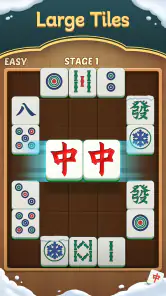


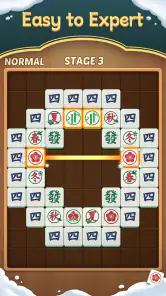

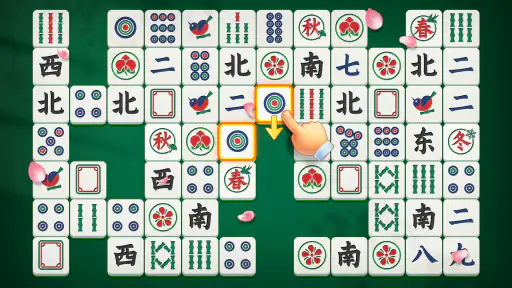

 Analysis by Frivlyz
When I want a puzzle I can pick up without setting aside a whole evening, I reach for Daily Mahjong Match. It is a tile-matching board game built around clearing a Mahjong layout, so the appeal is immediate: look for a pair, make a choice, and see how the board changes. I find that simple loop easy to settle into, but it still rewards paying attention rather than tapping at random.
A practical rhythm for a daily board
My best routine is to scan the whole layout before making the first match. I look for exposed pairs and, just as importantly, tiles that seem to hold up several others. Removing an easy pair can feel satisfying, but if it opens no useful route, it may not help much. A short pause to notice what is blocked often saves me from reaching the end with a board that looks busy but offers few workable choices.
That makes the game a natural fit for small breaks: waiting for a drink, taking a breather between tasks, or winding down before bed. In one realistic session, I might open it while waiting for a bus, check the board, and play a few careful moves before putting my phone away. It suits that stop-and-start pattern better than a game that expects a long uninterrupted run. If you prefer puzzles that reward a quick glance and a deliberate move, this style is easy to work into a day.
The daily puzzle gives regular players a reason to return, while the familiar matching rules keep the learning curve gentle. I would recommend it to someone who likes visual search and measured decisions more than timers, reflex tests, or a competitive action loop. It is also a reasonable starting point for a newcomer to tile-matching puzzles: the basic goal is easy to understand, and the challenge comes from reading the arrangement rather than memorizing a complicated rulebook.
Settings and choices that shape a session
Before settling into a longer run, I check the game’s available options rather than assuming every board should be approached in the same way. The game offers difficulty levels, so I choose one to match my attention that day. A lighter session is useful when I want a calm diversion; a more demanding setting makes sense when I have the time and focus to think several moves ahead. Changing the challenge to suit the moment is more enjoyable than turning every board into a test of endurance.
Hints and shuffle options are useful, but I treat them as tools for different problems. A hint can help when I have scanned the remaining tiles and cannot see a sensible pair. A shuffle is a stronger intervention: it changes the arrangement, so I save it for a board where my current view has stopped helping. Using either immediately can take away the satisfaction of working through a puzzle. Waiting until I have made a fresh scan gives me a chance to solve the obstacle myself first.
A small habit helps me avoid relying on rescue options too early: after each match, I check which newly exposed tiles have changed the board. Then I pause before choosing the next pair. That quick reset keeps me from following the first visible match automatically and makes it easier to notice when a move opens a useful path. It is a simple way to make familiar boards feel more thoughtful without needing extra rules or a complicated strategy guide.
Gaming Stories You May Enjoy

Dancing Road Turns Short Breaks Into a Test of Rhythm and Timing

Super Stylist Makes Every Outfit a Test of Taste and Patience

Dominoes on Your Terms: Who Should Play and Who Should Pass

Pokémon GO Makes the Familiar World Feel New

Chess.com Turns Rematches Into Rivalries, but Community Has Its Costs

Archery Battle 3D Review: Sharp Aiming, Unclear Feedback
First Impressions and Gameplay
From the moment I installed Daily Mahjong Match, I was hooked. The interface is crisp, clean, and incredibly user-friendly. No need to wade through endless menus or cluttered screens – you’re right into the action from the get-go. The tiles are beautifully designed, each one a tiny masterpiece that adds to the overall aesthetic of the game.
The gameplay is straightforward yet challenging. You start with a classic Mahjong layout, and your job is to match the tiles until the board is clear. Simple, right? But don’t let that fool you. As you progress, the puzzles become more intricate, demanding both strategy and patience. There’s something incredibly satisfying about finding that perfect match amidst a sea of chaos, making it a delightful mental exercise.
Features That Stand Out
I have to say, one of my favorite features is the daily puzzle. Each day presents a new challenge, keeping the game fresh and exciting. It’s like waking up to a new mystery every morning. Plus, if you’re the competitive type, the leaderboard adds an extra layer of motivation to improve your skills and climb the ranks.
The game also offers several difficulty levels, catering to both newbies and seasoned players. Whether you’re in the mood for a relaxed session or a mind-bending challenge, the difficulty choices let me set a tone that fits the moment. I like having that flexibility, though I would not treat a higher setting as a promise that every session will feel equally difficult; the board itself still shapes how much planning a particular game asks of me.
And let’s not forget the hints and shuffle options. They’re lifesavers when you’re stuck, ensuring you never feel frustrated or stuck for too long. These features make the game accessible without taking away from the challenge. I get the most from them when I use them selectively: a hint to nudge my attention, or a shuffle after I have genuinely run out of useful lines to consider.
Where it fits among tile puzzles
Compared with many casual board games, this one asks for patience and visual organization rather than quick reactions. That is a real advantage if I want to relax while still keeping my mind engaged. It is less suitable if I am looking for a story campaign, direct competition as the main event, or a puzzle that changes its mechanics from one session to the next. The familiar Mahjong-style matching is the point, and anyone who finds that repetition soothing is more likely to enjoy it than someone who needs a new system every few minutes.
The leaderboard can add a goal for players who enjoy comparing progress, but I see it as optional motivation rather than the heart of the experience. I can ignore it and focus on clearing the board, or use it as a reason to pay closer attention to my choices. If rankings make a quiet puzzle feel stressful, there is no need to let them dictate the pace: the basic pleasure is still in spotting the next useful match.
One trade-off is that a clean, straightforward design leaves less room for players who want a lot of surrounding activity. I would choose a broader puzzle collection if I wanted several different game types in one place, and I would choose a fast arcade title if I had only a few seconds and wanted immediate action. This is a more deliberate kind of break. Its strength is the steady board-reading, not a stream of surprises or a rush of visual effects.
Who will enjoy it, and who may want something else
I would point a first-time tile-game player toward it if they want rules they can grasp quickly and room to improve through practice. More experienced players may appreciate the daily challenge and the option to raise the difficulty, especially if they enjoy planning around blocked tiles. The most rewarding sessions come when I treat each exposed pair as a choice with consequences, not just an invitation to clear whatever I notice first.
I would be more cautious recommending it to someone who dislikes repeating a core puzzle format, or who expects every mobile game to offer a substantial narrative or social experience. The matching loop stays central. And if you find yourself tapping through a board without looking ahead, it may feel more like a chore than a relaxing exercise; slowing down is part of what makes the game work.
For a practical example, I might choose an easier difficulty on a tired evening and make a few deliberate matches, saving hints for when I truly cannot see a route. On a quieter weekend, I can take more time with a harder board and try to finish without leaning on shuffle. The same game can serve both moods because the way I approach the board changes, even though the underlying goal remains familiar.
What to expect before installing
Big Cake develops the game, which is free to install and rated for Everyone. It has a 4.9 average from around 8,500 ratings, and has passed one million installs. Those figures suggest that it has found a sizable audience, but they do not tell me whether its particular pace will suit you; the best test is whether you enjoy scanning a crowded layout and thinking a few moves ahead.
The game was released on February 4, 2025, and version 1.0.8 is the current version. It requires Android 6.0 or later. There are in-app purchases, with items ranging from $1.99 to $79.99 each, so I would check the purchase details in the store before buying anything. The game can be played as a free download, but those optional purchase prices are worth keeping in mind if you prefer to avoid spending inside games.
One reasonable question is whether the game is suitable for a brief session or only a long sit-down. In my experience, the clear matching objective makes it easy to begin with a short break, while the strategic choices give me a reason to continue when I have more time. Another is whether a stuck board means I have to abandon the puzzle: hints and shuffle provide ways to get moving again, though I would use them after checking the layout carefully rather than as my first move.
It is also worth asking whether this is a good choice for someone new to Mahjong-style games. The basic pair-matching goal is approachable, and the difficulty options offer a way to choose a comfortable level. A newcomer who prefers learning by doing should be fine; someone who wants a lengthy tutorial or a highly varied set of modes may prefer a different puzzle app. I would not choose it for someone who wants constant novelty, but I would for someone who likes gradually getting better at reading a board.
Why You Should Download It
If you're on the hunt for a game that's both relaxing and mentally stimulating, this is it. Daily Mahjong Match is perfect for those moments when you need a break from reality. It helps sharpen your mind, improve your attention to detail, and offers a delightful escape from the everyday hustle.
In conclusion, this app is a must-try for any Mahjong lover or puzzle aficionado. Its beautiful design, challenging puzzles, and engaging features create an experience that’s hard to put down. So go ahead, give it a download and immerse yourself in the world of matching tiles. Trust me, you won’t regret it!
My verdict after settling into its rhythm
What keeps me coming back is not a promise of endless variety, but the combination of a familiar board, a fresh daily reason to play, and enough choice in difficulty to make a session fit my mood. The useful skill is learning to pause: scan what is free, notice what a match will uncover, and only then decide whether a hint or shuffle is worth using. That repeatable habit makes the puzzle more satisfying than simply clearing the first pair I see.
I would recommend it to a friend who wants a calm, focused tile game that works in short visits and rewards a little planning. I would suggest looking elsewhere if they want a campaign, fast action, or a large assortment of unrelated modes. For me, its appeal is exactly its modest scope: a clean board puzzle I can return to without a learning curve, with enough strategic friction to keep a familiar match from feeling entirely automatic.
Daily Mahjong Match Pros and Cons
Pros
- Engaging and relaxing gameplay.
- Beautifully designed tiles and backgrounds.
- Daily challenges keep content fresh.
- Easy-to-use interface for all ages.
- Offline play available.
Cons
- Limited free puzzles daily.
- In-app purchases can be costly.
- Ads can interrupt gameplay.
- No multiplayer mode available.
- Requires regular updates.
This Game in Other Languages
Frequently Asked Questions
What is Daily Mahjong Match app?
Daily Mahjong Match is a mobile game application that offers a classic mahjong solitaire experience. It provides daily puzzles, challenges, and various levels designed to enhance your puzzle-solving skills. The game is available on both Android and iOS platforms, ensuring accessibility for all users.
Is Daily Mahjong Match free to download and play?
Daily Mahjong Match can be downloaded for free from the Google Play Store and the Apple App Store. While the core game features are free, it may offer in-app purchases for additional game content, hints, or to remove ads, enhancing the overall gaming experience.
What are the main features of Daily Mahjong Match?
Daily Mahjong Match includes a variety of features such as daily challenges, different themes, and a wide range of levels to keep players engaged. The game also offers smooth graphics, intuitive controls, and a hint system to assist players in solving challenging puzzles. It’s designed for both beginners and seasoned players.
Does Daily Mahjong Match require an internet connection?
While Daily Mahjong Match can be played offline, certain features like daily challenges and leaderboards may require an internet connection to function correctly. Playing offline allows you to enjoy the game, but connecting to the internet ensures access to the latest updates and community features.
Is Daily Mahjong Match suitable for all ages?
Yes, Daily Mahjong Match is suitable for players of all ages. The game is designed to be easy to understand and play, making it accessible for children as well as adults. It provides an excellent way for families to engage in fun, brain-stimulating activities together, without any inappropriate content.


