

Cytus II
- Reviews
- 4.1
- Version
- 5.1.2
- Installs
- 1,000,000+

Screenshots

 Analysis by Frivlyz
My first impression of Cytus II is that it asks for quick reactions without making every session feel like a test. The moving scan line gives the music a distinctive pulse, and the changing note patterns keep my hands busy once a track gathers momentum. It is a music game from Rayark International Limited, but it also leans into character stories and a futuristic setting, so I can play for the songs or stay curious about what the narrative will reveal.
How fast does it feel?
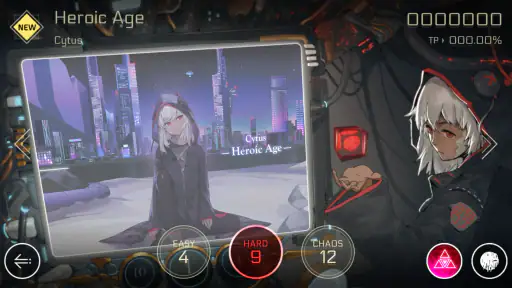
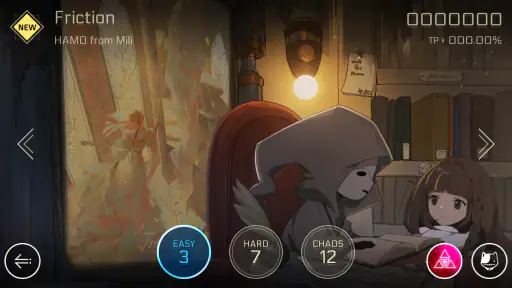
The pace depends heavily on the chart and difficulty I choose. At an easier level, I have room to watch the line and learn how notes relate to the beat; tougher patterns demand more attention and faster, more deliberate taps. That makes it easier to approach than a game that throws its hardest timing demands at me from the start, though it is not a relaxed listening experience once I raise the challenge.
One useful habit is to treat a first attempt as a reading run rather than chasing a perfect result. I focus on where the scan line meets each note, then replay with a clearer idea of the pattern. That small change makes difficult sections feel less random and helps me decide whether I need practice or simply chose a difficulty that is too steep for the moment.
When a session gets busy
Longer play is where the combination of rhythm, visuals, and story can become demanding. When a chart is dense, I need to keep my eyes on the notes and avoid letting the animated presentation pull my attention away from timing. The visual style supports the atmosphere, but players who are sensitive to busy screens may prefer to start with less demanding charts and see how they feel before pushing into harder material.
I also find it helps to separate a focused score attempt from casual exploration. If I am tired or only have a few minutes, I can choose a comfortable challenge and enjoy the track without turning every miss into a reason to restart. When I have time to concentrate, I can work on a tougher pattern and see whether my timing improves. That makes the game more flexible than treating every session as a high-score run.
Reliability, cost, and fit
I would not assume that a rhythm game will feel identical on every device: touch response and screen space matter when timing is the point. Before settling into a difficult chart, I would try a familiar, manageable one and pay attention to whether taps register as expected. If the timing feels off, it is sensible to check the device setup and retry at an easier level before blaming either the game or my own reflexes.
The game costs $1.99, with in-app purchases ranging from $2.99 to $79.99 per item, so I would check what each optional purchase contains before spending. It is rated Teen, has a 4.1 average from around 135,000 ratings, and has passed one million installs. Version 5.1.2 supports Android 5.0 and later. Those details make it easy to judge the basic fit, but the best reason to try it is still whether its music, timing style, and story appeal to you.
Gaming Stories You May Enjoy

Dancing Road Turns Short Breaks Into a Test of Rhythm and Timing

Super Stylist Makes Every Outfit a Test of Taste and Patience

Dominoes on Your Terms: Who Should Play and Who Should Pass

Pokémon GO Makes the Familiar World Feel New

Chess.com Turns Rematches Into Rivalries, but Community Has Its Costs

Archery Battle 3D Review: Sharp Aiming, Unclear Feedback
Compared with a straightforward music player, this turns listening into active play; compared with simpler tap-to-the-beat games, its moving line and chart patterns ask for closer attention. If I want background music while doing something else, I would choose a player instead. If I want an easygoing game that requires little concentration, this may also be the wrong pick. But for someone who enjoys learning a track through repeated attempts and likes a narrative alongside the challenge, the mix has a clear appeal.
For an everyday example, I might open it during a short break, choose a song and difficulty that suit my energy, then stop after a focused run rather than letting a score chase take over the whole pause. On another day, I might give one tricky section several attempts and use each run to notice a different part of its pattern. That works best when I have a quiet moment and can watch the screen; it is less suited to playing while walking, commuting in a crowded space, or dividing my attention between tasks.
Jumping into the world of rhythm games, Cytus II is a title that has captured my attention like no other. As a sequel in the renowned Cytus series, this game doesn’t just aim to fill big shoes; it stomps around in them with style. If you’re into rhythm games, let me tell you why this one should be on your radar.
Exploring the Beat
Let’s start with the core of any rhythm game – the music. Cytus II boasts a diverse soundtrack that spans across different genres. From electronic to classical, the game features over 100 songs, each uniquely composed to challenge your reflexes and rhythm sense. The music is not just background noise; it’s a driving force that pulls you into the game’s universe.
Gameplay Mechanics
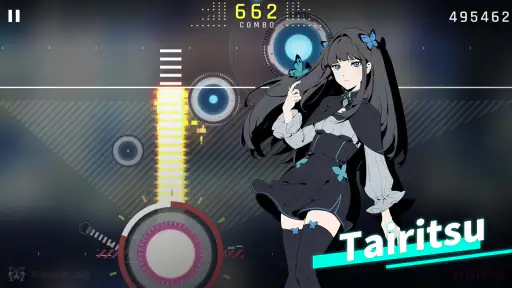
If you’ve played the original Cytus, you’ll feel right at home, but with a few twists. The game utilizes a dynamic line that moves up and down, and your job is to tap on notes as the line passes over them. Sounds simple? Think again. The real challenge lies in the complex patterns and the need for precision timing. It’s a test of your hand-eye coordination, and when you nail a combo, oh boy, it feels rewarding!
Visual and Storytelling
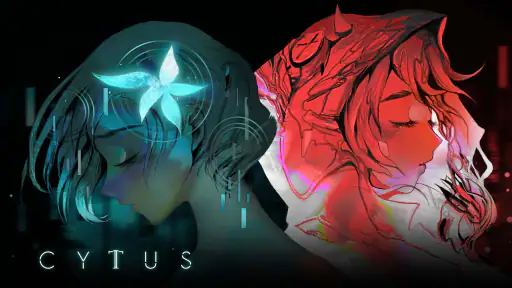
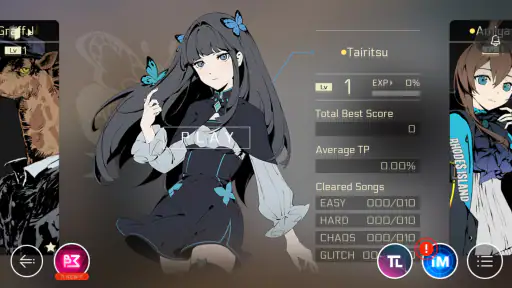
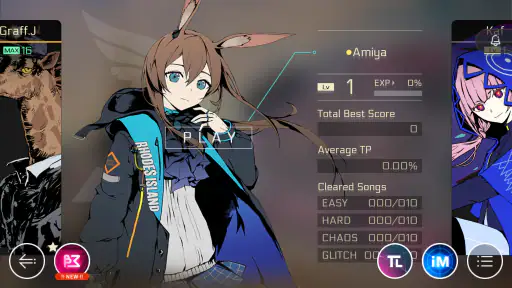
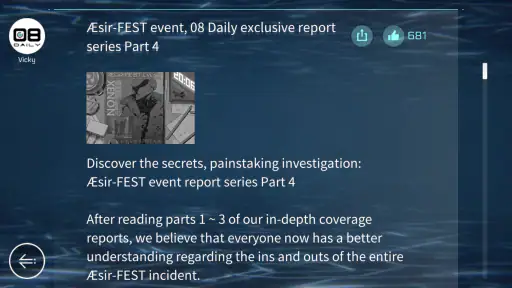
One thing that sets Cytus II apart is its visual storytelling. The game offers a futuristic, cyberpunk aesthetic that’s both vibrant and engaging. As you progress, you’ll uncover stories behind each character, adding depth to the gameplay. It’s not just about hitting notes; it’s about unraveling a narrative, which is a rare find in rhythm games.
The graphics are sleek, with animations that complement the beats rather than distract you. It’s a feast for the eyes and ears, making each session feel like an immersive experience rather than just a series of levels.
Accessibility and Challenge
Now, let’s talk about accessibility. Cytus II caters to both newcomers and seasoned players. With adjustable difficulty levels, you can tailor the experience to match your skill level. Plus, the game doesn’t penalize you harshly for misses, which encourages experimentation and learning rather than frustration.
However, don’t let the accessibility fool you into thinking this game is a walk in the park. The higher difficulty levels are no joke and will test even the most experienced players. It’s this balance of challenge and accessibility that keeps you coming back for more.
Who will enjoy it—and who may not
I would recommend it to players who like music games to have a learning curve, not just a quick tap along to familiar tunes. The appeal is strongest if I enjoy listening closely, spotting patterns, and improving through retries. The story gives another reason to continue between chart attempts, although it does not replace the rhythm play; I still need to want the central timing challenge for the game to hold my attention.
It is a weaker fit for anyone looking for a passive soundtrack, a very simple one-touch diversion, or a game that can be played reliably while attention is split. The notes require visual focus, and higher difficulties can feel unforgiving if I only want a casual few taps. The Teen rating is also worth considering when choosing a game for a younger player.
Small choices that improve a run
For a more useful practice session, I try not to change several things at once. I keep the song familiar and lower the difficulty if I am struggling to read the pattern; once the timing feels clear, I raise the challenge. This makes it easier to tell whether the obstacle is the chart itself or simply my current comfort level. It is a more patient route than repeating a frustrating attempt without changing how I approach it.
I also avoid treating a single miss as proof that a run is ruined. The game’s forgiving approach to mistakes makes experimentation less stressful, so I can keep following the music and learn what comes next. That is especially helpful when I am new to a chart. Players focused on top performance may still want precision, but casual practice does not have to turn into an all-or-nothing routine.
What to expect from performance
On the performance side, I would judge the experience by whether the screen responds consistently during a chart, rather than by how elaborate the visuals look. Timing games make even a small-feeling delay noticeable, so I would test with a song I know before attempting a demanding run. I would also avoid drawing a conclusion from one awkward session: attention, hand position, and the device can all affect how confident my taps feel.
The game is listed for Android 5.0 and later, but meeting that minimum alone does not tell me how comfortable a particular device will be for dense play. Screen space and touch responsiveness are practical considerations, especially when patterns become busy. I would start on a moderate chart and check that I can see the notes clearly and reach them without shifting my grip mid-song. If the device feels cramped or inconsistent, a less demanding rhythm game may be a better match.
I would not promise a particular loading speed, battery use, or recovery behavior across phones, because those experiences depend on the device and session. As a sensible routine, I would let the game settle before starting a focused run and avoid beginning a difficult chart when I need to switch apps immediately. If an interruption happens, I would simply return when I can concentrate again rather than counting on a rhythm session to work like an audio track that can be ignored in the background.
Choosing how to spend time and money
The purchase structure deserves a little thought. The initial price is easy to see, while optional items have a broad price range, so I would decide what I actually want from the game before buying anything extra. If the core rhythm experience is what interests me, I can first see whether its style and challenge suit me; if I am mainly drawn by the story or particular music, I would inspect the contents of an optional purchase carefully rather than assuming every add-on is essential.
That distinction matters because this is not the same kind of value as an unlimited music subscription or a simple free arcade diversion. I am paying for a game built around playing charts, and the optional purchases can change how much I choose to invest. Players who dislike add-on menus or prefer one fixed, all-inclusive cost may find that structure less appealing. I would keep the purchase decision separate from whether I enjoy the basic feel of tapping to the moving line.
How it fits beside other music games
Against familiar rhythm-game alternatives, its strongest difference is the combination of a moving scan line, detailed chart patterns, and character-focused storytelling. A simpler tap game may be easier to pick up for a quick distraction, while a music player is better when I want sound without having to watch and react. I would choose this when I want active listening and a sense of progression, not when I need something hands-free or effortless.
The trade-off is that its visual and narrative layers ask for attention alongside the music. That is part of the charm when I have a few uninterrupted minutes, but it can make the experience feel busy if I only want a clean screen and a basic beat. In other words, the extra character is a reason to choose it, not a guarantee that it is the best rhythm game for every mood.
Why I keep it in mind
Released on March 7, 2018, the game has reached version 5.1.2 and is made by Rayark International Limited. Its 4.1 average across around 135,000 ratings and more than 5,000 written reviews suggests a sizeable audience, while over one million installs show that it has found plenty of players. I treat that reach as context rather than a promise: what matters to me is whether the timing, music, and story make me want to return.
Overall, I see it as a strong choice for someone who wants a rhythm game with more personality than a bare sequence of songs, and who is willing to practice instead of expecting every chart to click immediately. I would skip it if I needed background entertainment, disliked optional purchases, or could not give the screen my attention. When I can focus, the blend of music, precise tapping, and unfolding character stories gives me a clear reason to keep playing—and that is what makes it worth considering.
Cytus II Pros and Cons
Pros
- Captivating storyline enhances gameplay.
- Diverse music genres to suit all tastes.
- High-quality graphics and animations.
- Challenging levels keep players engaged.
- Regular updates with new content.
Cons
- In-app purchases can be expensive.
- Requires constant internet connection.
- Limited free-to-play content.
- Complex gameplay may deter casual gamers.
- Battery consumption is high.
This Game in Other Languages
Frequently Asked Questions
What is Cytus II and what makes it unique from other rhythm games?
Cytus II is a rhythm game developed by Rayark Games, known for its captivating storyline and dynamic gameplay. The game sets itself apart with its rich narrative woven into the rhythm challenges, providing players not just a gaming experience but an immersive journey. The music library is diverse, featuring tracks from various genres and artists, which keeps the gameplay fresh and engaging. Additionally, the game's stylish art and intuitive mechanics make it accessible yet challenging, appealing to both casual players and rhythm game veterans.
How does the gameplay in Cytus II work and is it suitable for beginners?
Cytus II offers an intuitive gameplay system where players tap, hold, and swipe notes as they align with the rhythm of the music. The game is designed to be accessible for beginners with its straightforward mechanics and adjustable difficulty settings. Players can start at lower difficulty levels to get acquainted with the game, progressively increasing the challenge as they become more skilled. The combination of visual cues and rhythmic beats ensures that the game remains engaging and fun for players of all skill levels.
What kind of music can I expect in Cytus II and is there any option to expand the music library?
Cytus II boasts a diverse music library featuring over 100 songs spanning various genres such as pop, electronic, and classical, performed by renowned artists worldwide. This variety ensures that players experience different rhythms and styles, enhancing the overall gameplay experience. Moreover, the game periodically updates its music library, allowing players to expand their selection of tracks. Special events and collaborations also introduce exclusive songs, keeping the content fresh and exciting.
Is Cytus II available on both Android and iOS, and what are the system requirements?
Yes, Cytus II is available for both Android and iOS devices. For Android, it requires version 4.4 and up, while iOS users need to have iOS 9.0 or later. It's essential to ensure your device meets these requirements for optimal performance. The game is relatively lightweight, but having a device with good processing power and available storage will enhance the gameplay experience, ensuring smooth operation and quick loading times.
Are there any in-app purchases in Cytus II, and how do they affect gameplay?
Cytus II includes in-app purchases that allow players to buy additional character packs and songs, which enhance the gaming experience by expanding the storyline and music library. While the game offers a substantial amount of free content, these purchases are optional and primarily aimed at players who wish to delve deeper into the game's expansive world. Importantly, the core gameplay remains unaffected by these purchases, ensuring that all players can enjoy the game regardless of their spending.


