

CSR 2 Realistic Drag Racing
- Reviews
- 4.6
- Version
- 5.7.0
- Installs
- 50,000,000+

Screenshots

 Analysis by Frivlyz
I judge a drag racer by what it asks me to do between the start and the finish. CSR 2 Realistic Drag Racing is built around short bursts of focused driving rather than long, winding courses: the appeal is tuning a car, reading the launch and shifts, and seeing whether a setup can turn into a win. That makes it easy to pick up for a brief session, though the surrounding collection and progression can invite a much longer stay.
What speed means on a drag strip
Here, speed is not mainly about steering through traffic or choosing a racing line. The satisfying part is getting the timing right and making deliberate choices about your car. If you come from circuit racers, expect a narrower kind of challenge: fewer continuous driving demands, but more attention to the sequence of a run and the effect of upgrades. I like that focus when I want a quick, defined contest; I would choose a road or track racer instead if I wanted to explore a course or practice cornering.
That difference also shapes how I think about improvement. A loss does not automatically mean I need to tap faster next time. It can be a reason to reconsider the car’s setup, how I approach the run, or whether I am trying to progress before the vehicle is ready. My practical tip is to change one thing at a time when experimenting. If I alter several choices at once, it becomes harder to tell which change actually helped.
Short sessions and the longer play loop
A single race suits a small break, but the collection-building side gives that quick contest a longer context. I might open the game intending to run once, then spend the rest of the session deciding which car deserves attention. That is a strength for players who enjoy gradual goals, but it is also a real time trade-off: the race itself can be brief while the decisions around progression take over the evening.
For an everyday example, I would use it during a commute only when I had a reliable connection and enough time to finish a run without rushing. At home, I would treat it as a short-session game and stop after a clear goal, such as testing a setup or completing a challenge. That boundary helps if the collection loop starts to feel like a list of things to improve rather than the reason I opened a racing game.
Who will enjoy this style
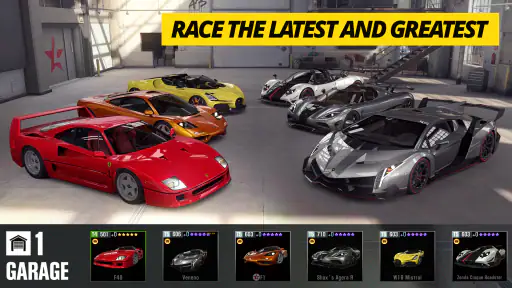
I think the game is best for people who like cars as much as the result of the race: comparing vehicles, adjusting a build, and gradually shaping a garage around personal preferences. It can also suit someone who wants a racing game that does not depend on navigating a complicated track every time. The drag format makes the central action straightforward to understand, while timing and progression provide room to improve.
I would be less likely to recommend it to someone who wants realistic wheel-to-wheel driving, open-road exploration, or a race that keeps changing through corners and overtakes. Those players may be happier with a circuit or open-world racer. It is also not ideal for anyone who dislikes upgrade-driven progression or feels pressured by optional spending; patience may be enough for many players, but the presence of purchases can still make advancement feel less satisfying if you prefer a completely frictionless route.
Gaming Stories You May Enjoy

Dancing Road Turns Short Breaks Into a Test of Rhythm and Timing

Super Stylist Makes Every Outfit a Test of Taste and Patience

Dominoes on Your Terms: Who Should Play and Who Should Pass

Pokémon GO Makes the Familiar World Feel New

Chess.com Turns Rematches Into Rivalries, but Community Has Its Costs

Archery Battle 3D Review: Sharp Aiming, Unclear Feedback
As a mobile racing choice, it occupies a different lane from arcade racers that prioritize constant action and from simulation-focused games that put handling and track technique at the center. Its distinctive appeal is the compact drag contest tied to car collecting and tuning. The right comparison is not simply which game has the most realistic driving, but which kind of racing you want to repeat: a sequence of focused launches, a full circuit, or free driving through a larger world.
Feel the Rush of Realism
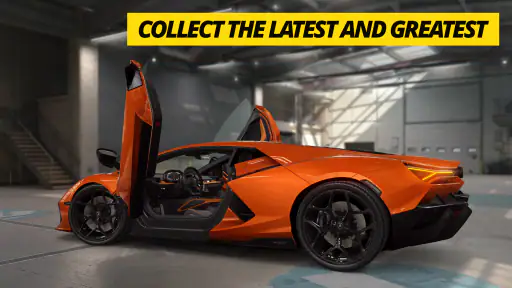
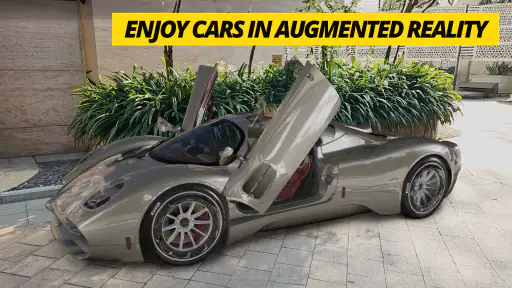
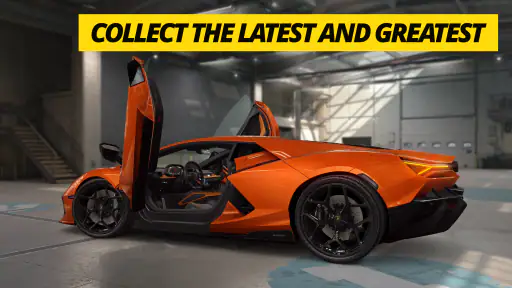
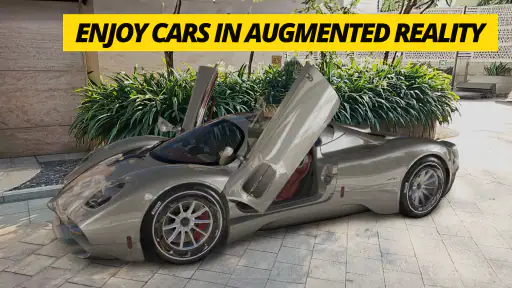
From the get-go, CSR 2 Realistic Drag Racing blew me away with its hyper-realistic graphics. The level of detail in the cars is just mind-blowing. You can tell the developers poured their hearts into replicating every curve and feature of the real-life vehicles. And let’s not even get started on the racing environments! It's like you're really there, feeling the rush of the wind as you speed down the drag strip.
That visual approach is a big part of the pleasure, especially if I am choosing a car as much for its look as for its role in a race. Still, I would not treat detailed presentation as a guarantee that every moment feels fast or smooth on every device. A drag run is short, so any pause while loading or navigating menus can stand out more than it would in a long race. I prefer to keep expectations practical: the game’s spectacle comes from the cars and the focused strip setting, while my enjoyment still depends on how comfortably my device handles a session.
Rev Up and Customize
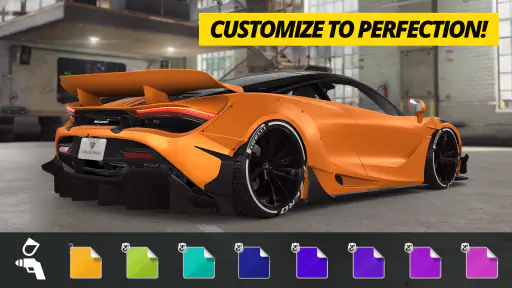
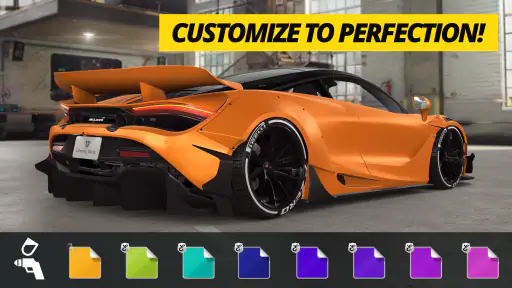
Alright, let's talk about one of my favorite parts of the game: customization. I spent hours just tinkering with my car, making sure it looked slick and performed like a beast. You get to tweak everything from the paint job to the engine; it’s like having your own personal garage. Plus, the satisfaction of seeing your customized car cross the finish line first? Pure bliss.
For a more useful garage routine, I would decide what I want from a car before spending time changing it: a look I enjoy, a stronger race result, or simply a reason to keep using it. That keeps customization from becoming aimless tinkering. I would also avoid judging a build by appearance alone. A striking paint choice makes the car feel personal, but the result on the strip depends on the practical side of preparing it as well. When progress feels slow, taking a moment to compare the effect of an upgrade is more informative than changing several parts and hoping for a sudden leap.
Gameplay That Keeps You Coming Back
The gameplay in CSR 2 is super addictive. It’s not just about who’s got the fastest car; it’s about timing your shifts perfectly and upgrading strategically. The competitive edge comes from racing against real players worldwide. Trust me, there’s nothing quite like the thrill of leaving someone in the dust and climbing up the leaderboards!
That competitive feeling is most rewarding when I treat each result as feedback rather than a reason to chase every possible upgrade. If a run goes badly, I can focus on improving my timing before spending anything. If timing seems solid, I can look at the car and consider whether my current setup is the limiting factor. This small diagnostic habit makes the racing feel more deliberate and can help keep optional purchases from becoming the first answer to every setback.
And for those of you who love a good story, the game offers a campaign mode that’s packed with challenges and rivalries. It keeps things fresh and gives you that extra motivation to keep pushing your limits.
When I have a longer stretch to play, the campaign gives me a reason to move beyond repeating a single type of run. When I only have a few minutes, I can keep my goal modest instead of feeling that I need to clear a large chunk of progression. That flexibility is useful, but it does not remove the game’s main commitment: building cars and working through the racing loop is part of the experience, not just a route to a quick standalone match.
In-App Purchases: Worth It or Not?
Okay, let’s address the elephant in the room: in-app purchases. Yes, they’re present, and yes, they can be tempting. While you can absolutely enjoy the game without spending a dime, the purchases do speed things up a bit. I found that a little patience goes a long way, and honestly, the grind is part of the fun. But hey, if you want to splurge a little for those shiny upgrades, go for it!
The game is free to start, and its optional purchases range from $0.99 to $119.99 per item, so I would set a personal spending limit before getting drawn into faster progression. I would also ask myself whether I am buying something because I genuinely want it or because one frustrating result has made me impatient. For a player who enjoys earning progress at a steady pace, waiting can be part of the satisfaction. For someone who strongly dislikes grinding, the purchase prompts may be a reason to choose a different racer.
Stability, device demands, and sensible expectations
Developed by Zynga, this racing game has been available since June 29, 2016, and its current version is 5.7.0. It is rated Teen, is free to play, and requires Android 7.0 or later. It has a 4.6 average from around 5.2 million ratings, with over 50 million installs. Those figures suggest a well-established game, but popularity alone cannot tell me how it will perform on a particular phone or tablet.
For that reason, I would leave some breathing room on a device that already struggles with demanding games, close other heavy apps before a long session, and avoid starting a race when the battery is nearly empty. Those are practical habits, not a promise that they will fix every slowdown. If the game feels less responsive than expected, I would first try a fresh launch and a shorter session before assuming my timing is the problem. Keeping expectations grounded matters: detailed cars and presentation can ask more of a device than a very lightweight racer, and individual performance can vary.
Connection quality is another everyday consideration for features involving competition. If I am somewhere with unreliable service, I would choose a part of the game that does not depend on a live contest rather than start a race and risk interruptions. I also would not assume that a result in an online matchup is a clean measure of my skill if the connection is unstable. When the connection is solid, the competitive element has more room to shine; when it is not, a solo challenge is the more sensible use of the session.
One of the better ways to avoid frustration is to separate a driving mistake from a progression bottleneck. I can focus on shift timing for a few runs, then pause and review whether the car itself needs attention. That makes practice more purposeful, and it prevents me from treating every loss as proof that I must spend money. It also gives me a clear stopping point: if I am no longer learning from another attempt, taking a break is more useful than racing on autopilot.
In conclusion, CSR 2 Realistic Drag Racing offers an exhilarating racing experience that’s hard to beat. Whether you’re a car enthusiast or just someone looking for a new game to get lost in, this app is definitely worth a download. So, what are you waiting for? Rev those engines and hit the drag strip!
CSR 2 Realistic Drag Racing Pros and Cons
Pros
- Stunning graphics with realistic environments.
- Wide selection of customizable cars.
- Engaging real-time racing with friends.
- Regular updates with new content.
- Intuitive controls for all skill levels.
Cons
- In-app purchases can be expensive.
- Requires a stable internet connection.
- Large file size may affect storage.
- Some cars locked behind paywalls.
- Occasional lag in multiplayer mode.
This Game in Other Languages
Frequently Asked Questions
What is CSR 2 Realistic Drag Racing?
CSR 2 Realistic Drag Racing is a popular mobile racing game that offers a realistic drag racing experience. Players can collect and customize a wide range of cars, compete in various racing events, and join online multiplayer battles. The game is known for its high-quality graphics and detailed car models, providing an immersive racing experience on both Android and iOS platforms.
Is CSR 2 free to play, and are there in-app purchases?
CSR 2 is free to download and play on both Android and iOS devices. However, the game includes in-app purchases that allow players to buy in-game currency, cars, and upgrades. While it's possible to enjoy the game without spending money, some items and features may require purchases to access or speed up progress.
What are the system requirements for CSR 2?
To run CSR 2 efficiently, Android users should have a device with at least 2GB of RAM and Android 4.4 or higher. iOS users need an iPhone 5s or newer, running iOS 9.0 or later. The game requires a stable internet connection for downloading updates and accessing certain features, such as online multiplayer modes.
Can I play CSR 2 offline?
CSR 2 requires an internet connection to play, as it needs to download updates and connect to online servers for multiplayer racing and other features. While some aspects of the game might be accessible offline, the core gameplay experience, especially competitive racing and events, is designed to be played online.
How does the multiplayer mode work in CSR 2?
In CSR 2, the multiplayer mode allows players to race against others in real-time. Players can compete in live races, join crews, and participate in global leaderboards. The game also features seasonal events and challenges, where players can collaborate with their crew members to earn exclusive rewards. Multiplayer races enhance the competitive aspect and offer a dynamic gaming experience.


