

Cocobi Good Habits -Kid Toilet
- Reviews
- 3.8
- Version
- 1.0.8
- Installs
- 1,000,000+

Screenshots
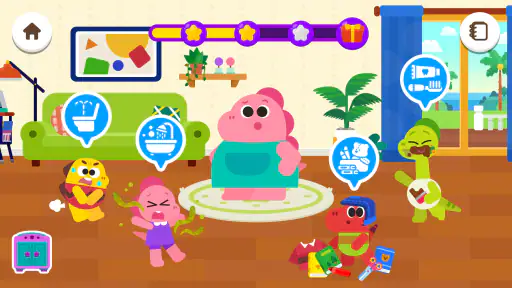
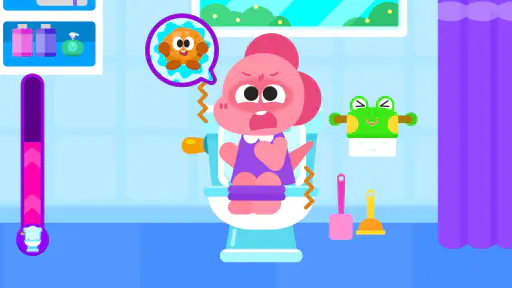
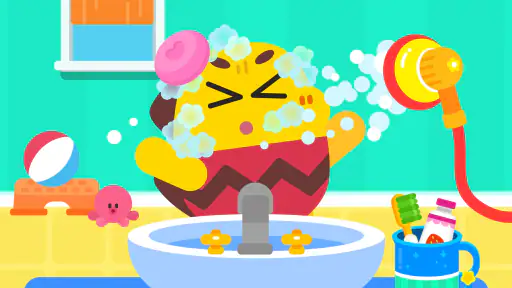
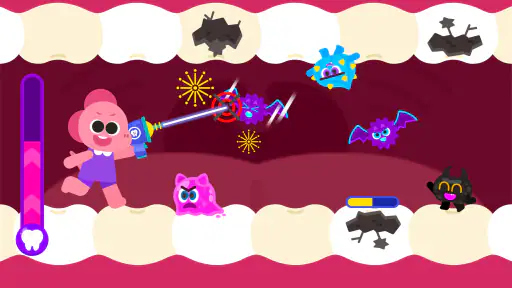
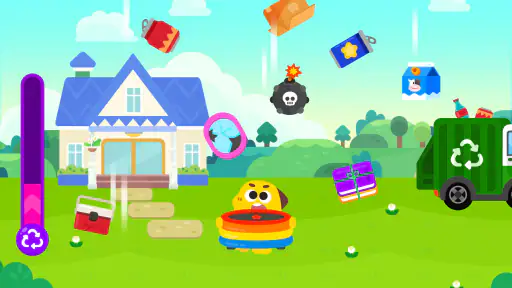
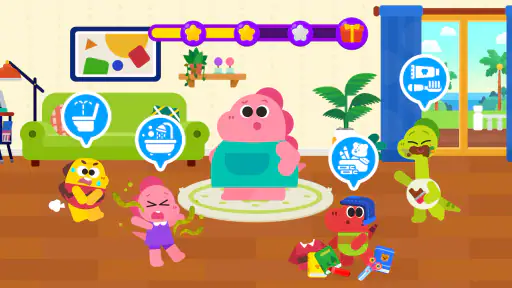
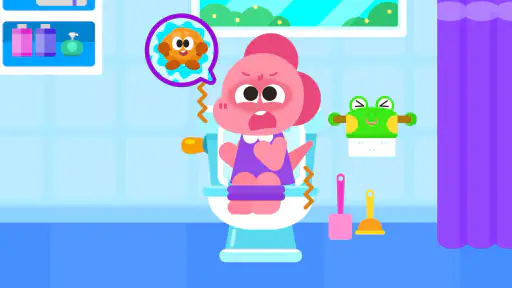
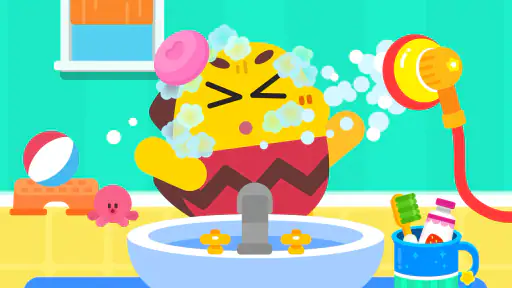
 Analysis by Frivlyz
When I first look at Cocobi Good Habits -Kid Toilet, I see a game for easing young children into toilet routines through play, rather than a substitute for a parent’s help. That distinction matters: it can give a child a friendly way to rehearse familiar steps, but the real progress still comes from calm, patient support away from the screen. If you are trying it for the first time, I would keep the goal modest: explore together, then use what catches your child’s attention as a prompt for one small real-world habit.
What to expect from the game
This is an educational game from KIGLE, built around Cocobi, the little dinosaurs. Its focus is narrow and practical: toilet use and the hygiene steps that go with it. The tone is aimed at children, with playful presentation intended to make a potentially awkward topic feel more approachable. I would treat it as a gentle introduction, not a full toilet-training plan or a way to assess whether a child is ready.
The game is free to download, is rated for Everyone, and has reached over a million installs. It has a 3.8 average from around 735 ratings, which suggests a mixed but substantial audience response rather than universal approval. It was released in November 2024, and version 1.0.8 is the current version. It is listed for devices running Android 7.0 or later, with in-app purchases priced at $1.99 per item. That last detail is worth discussing with your child before handing over a device: free to start does not mean every purchase option is automatically off the table.
The original description of the experience highlights playful practice around using the toilet. For a first-time parent, the useful question is less “Will a game solve this?” and more “Can this help my child become comfortable talking about the routine?” I think it can be a starting point, especially if your child already enjoys character-led activities, but I would avoid presenting an in-game success as a promise of immediate progress in the bathroom.
Starting together, then stepping back
For a reassuring first session, sit beside your child and explore at their pace. Let them notice the characters and choose what to interact with, while you quietly connect the activity to everyday language: going when their body says it is time, finishing the routine, and washing hands. Then pause. A short, relaxed visit is more useful than keeping a young child on the screen until they lose interest. The first meaningful success may simply be a child remembering one step or being willing to talk about the toilet without tension.
Once you know how your child responds, you can decide whether to use the game before a routine, after a successful attempt, or only occasionally when the subject comes up. I would not make screen time the reward for using the toilet; that can turn an ordinary body routine into a negotiation. Instead, use the game as a conversation starter and praise effort in real life, including trying, asking for help, and washing hands. Children do not all respond to the same approach, so following their mood is more useful than sticking to a rigid schedule.
Making the routine useful beyond the screen
If your child seems unsure what to do next, resist the urge to quiz them. A simple reminder in the moment is kinder and more practical. The game can help make the sequence feel familiar, but it cannot know when your child needs the toilet or replace an adult’s supervision. For toddlers who are not ready, or who become distressed by the subject, put it aside and return to it later. Taking a break is not failure; it protects the routine from becoming a source of pressure.
Gaming Stories You May Enjoy

Dancing Road Turns Short Breaks Into a Test of Rhythm and Timing

Super Stylist Makes Every Outfit a Test of Taste and Patience

Dominoes on Your Terms: Who Should Play and Who Should Pass

Pokémon GO Makes the Familiar World Feel New

Chess.com Turns Rematches Into Rivalries, but Community Has Its Costs

Archery Battle 3D Review: Sharp Aiming, Unclear Feedback
Where it fits among other options
Compared with a picture book or a parent explaining the steps, an interactive game gives a child something to do rather than only something to watch or hear. That can suit children who engage with characters and simple on-screen actions. A book may be better when you want a quiet bedtime conversation, while a familiar bathroom routine is more useful when your child needs help responding to real physical cues. I would use the game as one small part of a broader approach, not as a replacement for either.
There are trade-offs. A screen can attract attention, but it can also distract from noticing the body’s signals if it is used at the wrong time. Keep play separate from an actual toilet visit unless you know your child can stay attentive to the routine. Also, do not assume that enjoying the Cocobi characters means a child is ready to toilet train. Interest in the game and readiness in everyday life are different things.
What to keep in mind before handing over the device
The purchase details deserve a quick adult check before independent play. Although the game is free to download, it offers in-app purchases at $1.99 per item, so review the device’s purchase controls and make clear that a child should ask before tapping anything that looks like a buying option. This is a practical safeguard, not a reason to avoid the game. I would also start the first session together, so you can see whether the controls and content suit your child and whether they need help staying focused.
The app is best suited to families looking for a playful prompt for early hygiene conversations, especially when a child likes animated characters. It is less suitable as a stand-alone training method, for a child who dislikes screens, or when a parent needs a structured plan tailored to a specific toilet-training challenge. In those cases, a child’s healthcare professional or a more direct family routine may be a better fit. The useful question is not whether every child should play it, but whether this particular style of practice makes the next conversation easier for yours.
A realistic first win
Imagine a child who is curious about the bathroom but reluctant to hear another explanation. You could explore a little together at a calm time, then later offer a simple reminder to wash hands after using the toilet. If the child remembers that step, acknowledge it plainly and move on; there is no need to turn it into a test or demand that the whole routine be mastered at once. That is the kind of modest transfer from play to daily life I would look for.
For a next step, notice what your child actually takes away: a word, a sequence, or just a little more comfort with the topic. Bring that into the next real routine with a brief, supportive prompt, then let the child try. If the game creates pressure or leads to repeated requests for the device, reduce its role rather than increasing screen time. The point is to support a habit that works without the app.
Engaging and Educational Gameplay
First off, the app is an interactive wonderland for kids. The colorful animations and engaging characters immediately draw in young users. Through fun mini-games and interactive stories, kids learn the steps of using the toilet in a playful manner. They guide adorable characters through the process, from recognizing the urge to go, to flushing and washing hands afterward. The gamified approach ensures that children are not just learning but also enjoying the entire process.
Intuitive Design for Little Fingers
The design of Cocobi Good Habits -Kid Toilet is perfect for little hands. The interface is simple and intuitive, allowing children to navigate through the app with minimal guidance. The touch controls are responsive, and the instructions are clear, which means kids can play and learn with ease. Parents will appreciate how the app empowers kids to explore on their own while still providing educational value.
Reinforcing Positive Behaviors
One of the standout features of this app is its focus on reinforcing positive behaviors. Every time a child completes a task, they receive positive feedback and rewards, which encourages them to continue practicing these good habits. The app also provides tips and advice for parents, making it a comprehensive tool for developing good hygiene habits in kids.
Safe and Kid-Friendly Environment
Safety is a top priority, and Cocobi Good Habits -Kid Toilet excels in creating a secure environment for children. The app is free from ads and in-app purchases, ensuring that kids can focus on learning without any distractions. This peace of mind is invaluable for parents who want to ensure their child's digital experience is both safe and educational.
In conclusion, Cocobi Good Habits -Kid Toilet is more than just an app; it's an ally for parents in the journey of toilet training. With its engaging gameplay, educational content, and safe environment, it's an excellent tool for instilling good habits in young children. If you're on the lookout for a fun and effective way to teach your child about toilet use, this app is definitely worth checking out!
Cocobi Good Habits -Kid Toilet Pros and Cons
Pros
- Engaging and colorful graphics for kids.
- Interactive elements make learning fun.
- Simple interface for easy navigation.
- Provides educational value on hygiene.
- Encourages positive habit formation.
Cons
- Limited content may not sustain interest.
- Requires parental guidance for usage.
- Ads can interrupt gameplay.
- No offline mode available.
- In-app purchases needed for full access.
Frequently Asked Questions
What is Cocobi Good Habits - Kid Toilet app about?
Cocobi Good Habits - Kid Toilet is an educational app designed to help young children learn and develop good toilet habits in a fun and engaging way. The app uses interactive stories, animations, and games to teach children essential hygiene practices and toilet manners, making the learning process enjoyable and effective.
Is Cocobi Good Habits - Kid Toilet suitable for all age groups?
Cocobi Good Habits - Kid Toilet is primarily targeted towards toddlers and preschoolers, typically aged between 2 to 6 years old. It focuses on teaching them important toilet habits and hygiene practices. While older children might still find it enjoyable, the content is specifically designed to cater to the learning needs of younger kids.
What are the key features of Cocobi Good Habits - Kid Toilet?
The app offers a variety of features, including interactive stories, colorful animations, and fun games that engage children while teaching them good toilet habits. It also provides rewards and incentives to motivate children, along with easy-to-understand instructions and child-friendly designs that make navigation simple for young users.
Does Cocobi Good Habits - Kid Toilet require parental supervision?
While Cocobi Good Habits - Kid Toilet is designed to be child-friendly and easy to navigate, parental supervision is recommended, especially for younger children. This ensures that parents can guide their children through the app's activities and reinforce the good habits being taught, while also monitoring screen time effectively.
Is Cocobi Good Habits - Kid Toilet available for free?
Cocobi Good Habits - Kid Toilet is available for download with a basic set of features accessible for free. However, it may offer additional in-app purchases or subscriptions to unlock premium content and features. This allows users to enhance their learning experience through expanded resources and interactive elements.


