

City Patrol : Rescue Vehicles
- Reviews
- 3.9
- Version
- 2.1.9
- Installs
- 10,000,000+

Screenshots
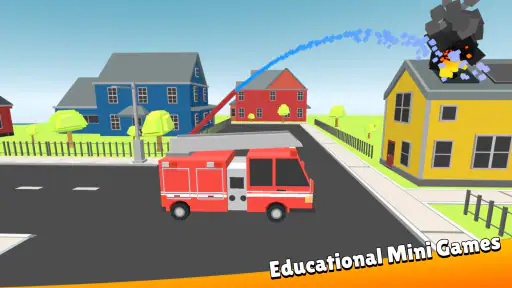
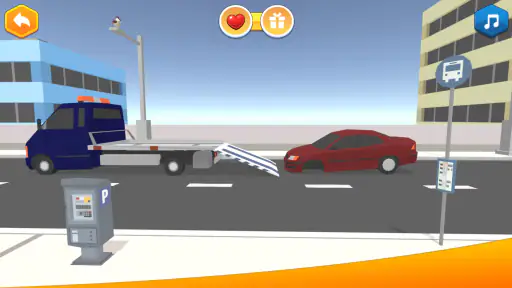
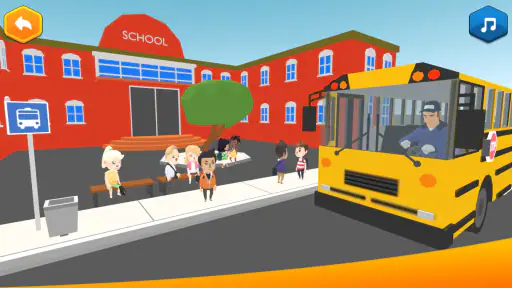
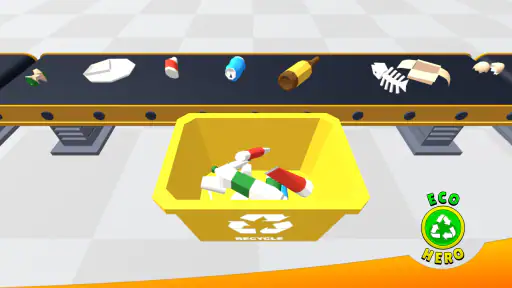
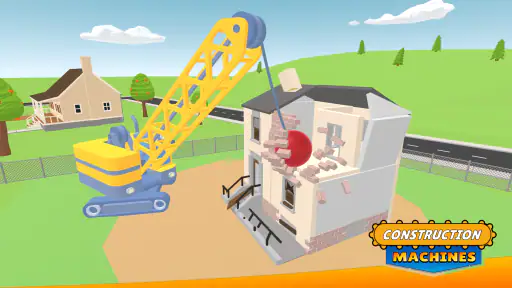
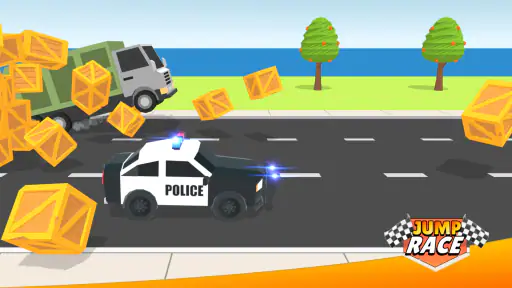
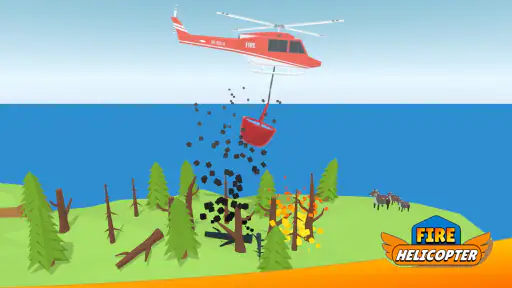
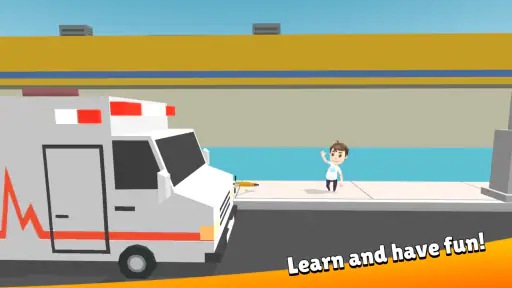
 Analysis by Frivlyz
I judge a rescue game less by how dramatic its sirens sound than by whether it gives a young player a clear reason to keep trying after the first few minutes. With City Patrol: Rescue Vehicles, the appeal is easy to understand: children get to take the wheel of service vehicles and imagine responding to problems around town. The interesting question is whether that simple fantasy can support satisfying play, or whether the missions begin to feel alike once the novelty wears off.
Small goals make a friendly starting point
The game’s basic promise is easy for a child to grasp. A vehicle has a job, a situation needs attention, and the player gets to take part. That straightforward connection between vehicle and task makes the opening experience approachable, especially for children who are not yet comfortable with games that rely on complicated menus, long instructions, or several objectives at once. I see its best early use as a short, shared activity: an adult can ask what kind of vehicle might be useful and let the child explain their choice before playing.
That kind of conversation is also where the educational angle has the most room to work. Instead of treating a fire engine, ambulance, or police car as just a collectible object, a parent can connect the vehicle to the public service it represents. The game can be a prompt for naming vehicles and talking about how different helpers respond to different needs. I would not treat play as a substitute for a structured lesson, but it can make those ideas easier to bring up naturally.
For younger players, a useful tip is to let them describe the goal in their own words before starting a mission. It gives them a simple reason to pay attention without turning the experience into a quiz. If they lose interest in the driving itself, switching the conversation to the vehicle’s role may keep the activity pleasant without demanding that they push through more play than they want.
Progress should feel meaningful, not just busier
A progression system works best for this sort of game when children can understand what they are working toward. New tasks or vehicles can make that goal visible, but the pace matters: if unlocking something becomes the main reason to continue, the emergency-service theme risks becoming a wrapper around a reward chase. I prefer to think of progress here as a chance to revisit the idea of matching a vehicle to a job, rather than as a reason to keep a child playing for longer.
The game comes from Edugamus, a developer focused here on an educational vehicle theme. It is free to download, with optional in-app purchases priced between $1.99 and $2.99 per item. That makes it possible to try the core experience before spending anything, while the purchase prompts are worth keeping in mind if a child plays independently. I’d check the device and account’s purchase controls before handing it over, then agree on a simple rule: no paid choice without an adult.
There is another practical way to use progress without letting it dominate: treat each session as complete once the child has tried a task and can say what the vehicle was for. That creates a natural stopping point even if more play is available. It is a better fit for a family routine than promising that one more mission will unlock something, especially when the goal is casual learning rather than a long gaming session.
Gaming Stories You May Enjoy

Dancing Road Turns Short Breaks Into a Test of Rhythm and Timing

Super Stylist Makes Every Outfit a Test of Taste and Patience

Dominoes on Your Terms: Who Should Play and Who Should Pass

Pokémon GO Makes the Familiar World Feel New

Chess.com Turns Rematches Into Rivalries, but Community Has Its Costs

Archery Battle 3D Review: Sharp Aiming, Unclear Feedback
Challenge and pacing suit short sessions
The most useful test for a children’s game is whether a child can recover from a mistake without feeling punished. City driving and response scenarios give the player a reason to pay attention, but the experience should remain manageable for its intended audience. I would sit nearby the first time, not to coach every move, but to see whether the instructions and controls make sense to the particular child. If they are repeatedly frustrated or ask for help with the same step, that is a cue to pause rather than turn play into a lesson in persistence.
For a realistic everyday use, I can see this working during a quiet stretch at home when a child wants a game but an adult wants something with a theme they can discuss afterward. A short turn can lead to a quick chat about why different services exist, then the device can go away. On a waiting-room visit or a journey, it may also fill a small pocket of time, provided the child is comfortable with the controls and the screen is appropriate for the setting.
Compared with a basic vehicle-matching activity or a picture book about community helpers, this game offers the extra appeal of taking action rather than only identifying objects. Compared with open-ended driving games, its emergency-response framing gives the play a clearer purpose. The trade-off is that families looking for a deep curriculum, detailed real-world safety instruction, or a broad range of creative activities may find a dedicated learning app or hands-on conversation more useful. This is a focused theme, not an all-purpose educational package.
Get Ready to Roll With the Big Guns
The first thing that hits you about this game is the sheer variety of vehicles you can operate. From fire trucks to ambulances, and of course, the classic police cars, City Patrol: Rescue Vehicles ensures you’ve got plenty of horsepower at your disposal. Each vehicle is not just a visual treat but also packs unique handling and capabilities, making every mission feel refreshingly different.
Gameplay That Keeps You on Your Toes
What really makes this app stand out is its engaging gameplay. You start with simple missions like escorting a VIP or putting out a small fire. But as you level up, things get real. Imagine navigating through traffic to reach an accident site or racing against time to diffuse a situation. The controls are intuitive, with responsive steering and realistic physics that make maneuvering through the city both challenging and fun.
And don’t even get me started on the city itself. The developers have done an incredible job of creating a living, breathing urban environment. You’ll find yourself dodging between skyscrapers, zipping past parks, and even encountering the occasional traffic jam, just to keep you on your toes!
Visuals and Sound That Bring the City to Life
The graphics in City Patrol: Rescue Vehicles are top-notch for a mobile game. The attention to detail in the vehicle designs and the cityscape is truly impressive. Coupled with immersive sound effects—think sirens blaring and engines roaring—it’s enough to make you feel like you’re right there in the action.
Moreover, the game doesn’t just rest on its visual laurels. The sound design plays a pivotal role in enhancing gameplay. Whether it’s the urgency of the radio chatter or the distant wail of sirens, every auditory element is designed to pull you deeper into the experience.
A Few Speed Bumps Along the Way
No app is without its quirks, and this one is no different. While the missions are engaging, they can get a bit repetitive if you’re binging the game for hours. However, the developers seem keen on rolling out updates, promising new missions and vehicles, which is something to look forward to.
Another minor hiccup is the occasional lag during peak action scenes. It’s not a deal-breaker, but it can be a tad frustrating when you’re in the thick of a high-speed chase.
Who will enjoy the patrol, and who may want another route?
This is best suited to a child who already enjoys vehicles and likes having a clear task to carry out. The Everyone age rating makes it broadly accessible, though the right fit still depends on a child’s patience with steering and their interest in emergency services. If a child prefers building, drawing, puzzles, or stories with lots of variety, I would choose an activity that gives them more room to create or explore rather than expecting this focused rescue theme to hold their attention.
It also makes sense for an adult who wants a game they can join in with casually. Rather than taking over the controls, I’d ask the child to choose a vehicle and explain why it suits the situation. That keeps the child in charge of the play and turns a simple mission into a small exercise in observation and decision-making. The useful trade-off is that this works best when an adult is available to frame the experience; it is less compelling as a stand-alone teaching tool.
What to expect from the routine
City Patrol is a free educational game, and the optional purchases mean families can begin without paying to download it. It has an average rating of 3.9 from around 7,600 ratings, alongside 24 written reviews, and has passed 10 million installs. Those figures suggest that many families have tried it, but they do not tell me whether its driving style or mission rhythm will suit a particular child. I would use a first session as a hands-on test rather than assuming popularity guarantees a match.
The game was released on March 4, 2022, and its current version is 2.1.9. It requires Android 7.0 or later. For a parent choosing a device, that minimum system requirement is a practical check to make before planning a download; the age rating and educational theme are separate considerations from whether the phone or tablet can run it comfortably. If the game stutters on a device, simplifying expectations or trying another activity is more sensible than turning the session into troubleshooting.
One helpful boundary is to decide on a stopping point before handing over the device. A completed mission, a short timer set by an adult, or a transition to another activity can all work better than leaving the end of play to the next reward. This is particularly useful when a child is drawn to unlocking or collecting: praise the choice of an appropriate vehicle or the patience to finish a task, not just the prospect of getting something new. That keeps the emergency-service theme in view and reduces the chance that progress becomes the only attraction.
Sound is another small household consideration. Sirens and engine effects are part of the fantasy, but they may be distracting in a quiet place or irritating to someone nearby. I would check the volume before a child starts, especially in shared spaces, and choose another activity if the audio would disrupt the setting. In the same way, a child who becomes overexcited by fast driving may enjoy a calmer vehicle book or a slower matching game more.
A sensible stopping point for a focused game
For parents wondering whether this can replace a lesson about emergency services, my answer is no: it can support a conversation, but I would not rely on a game alone to teach what to do in a real emergency. Children need clear, age-appropriate guidance from an adult, and pretend missions are not the same as practical safety advice. The game is at its strongest when it sparks curiosity about vehicles and the people who use them, then leaves room for an adult to explain the real-world distinction.
Likewise, anyone expecting a broad collection of educational subjects should look elsewhere. City Patrol keeps its attention on service vehicles and rescue-themed play, so its value depends on whether that particular interest is already there. A more general learning app will make a better choice for a child who wants varied topics, while a vehicle fan may prefer the direct, playful focus here over a less interactive lesson.
The central question is whether the goals keep play inviting without making it feel like a chore. In my view, they work best in short bursts, with an adult helping a child connect each vehicle to its purpose and decide when a session is done. If the child enjoys the missions, that simple loop can be satisfying; if they mainly chase the next unlock or tire of similar tasks, there is little reason to insist on longer play. The game’s focused theme is both its strength and its limit.
In conclusion, City Patrol: Rescue Vehicles offers a thrilling ride for those who’ve always wanted to be part of the emergency services. With its realistic gameplay, stunning graphics, and engaging missions, it’s definitely worth a download. Whether you’re a casual gamer or a hardcore enthusiast, this app promises hours of fun and excitement. So, gear up and get ready to save the day!
City Patrol : Rescue Vehicles Pros and Cons
Pros
- Engaging missions with various rescue scenarios.
- Wide variety of rescue vehicles to operate.
- Realistic graphics enhance gameplay immersion.
- Intuitive controls make it easy to navigate.
- Educational value for learning about rescue operations.
Cons
- Limited customization options for vehicles.
- In-app purchases can be expensive.
- Requires internet connection to play.
- Occasional bugs may disrupt gameplay.
- Ads can be intrusive and frequent.
This Game in Other Languages
Frequently Asked Questions
What is City Patrol: Rescue Vehicles about?
City Patrol: Rescue Vehicles is an engaging simulation game that puts players in the driver's seat of various emergency response vehicles. Players take on the role of different rescue professionals, such as firefighters, paramedics, and police officers, navigating through city streets to respond to emergencies. The game offers realistic driving physics, challenging missions, and a chance to explore urban environments while fulfilling heroic duties.
What platforms is City Patrol: Rescue Vehicles available on?
City Patrol: Rescue Vehicles is available for both Android and iOS platforms, making it accessible to a wide range of mobile users. Players can download the game from Google Play Store for Android devices and Apple App Store for iOS devices. This ensures that users can enjoy the game on their preferred mobile operating system with ease.
What type of gameplay does City Patrol: Rescue Vehicles offer?
City Patrol: Rescue Vehicles offers a mix of simulation and adventure gameplay. Players can drive a variety of emergency service vehicles, each with unique controls and capabilities. The game features multiple missions where players must respond to different scenarios, such as fires, accidents, and crime scenes. The realistic city environment and challenging tasks aim to provide an immersive experience for players.
Are there in-app purchases in City Patrol: Rescue Vehicles?
Yes, City Patrol: Rescue Vehicles includes in-app purchases. While the game can be downloaded for free, players have the option to purchase additional content, such as new vehicles, upgrades, or customization options. This allows players to enhance their gaming experience, although these purchases are entirely optional and not required to enjoy the game fully.
Does City Patrol: Rescue Vehicles require an internet connection?
City Patrol: Rescue Vehicles primarily offers offline gameplay, allowing players to enjoy the game without needing a constant internet connection. However, certain features, such as leaderboards, social sharing, or special event updates, may require internet access. This flexibility ensures that players can enjoy the game anytime, anywhere, even in areas with limited connectivity.


