

Chess Pro
- Reviews
- 4.7
- Version
- 3.84
- Installs
- 100,000+

Screenshots
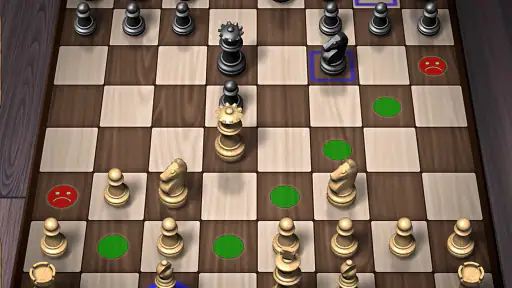
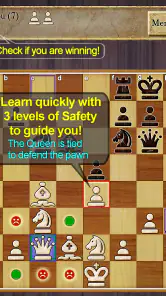
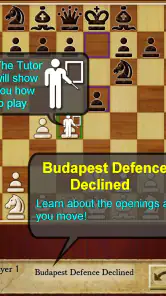
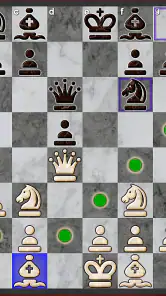
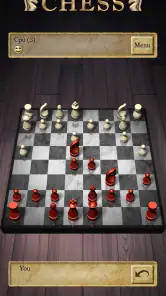
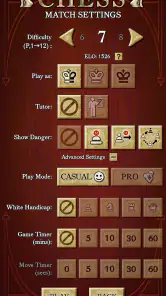
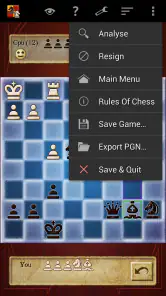

 Analysis by Frivlyz
When I want to practise chess without turning a spare moment into a whole event, I value a game that lets me get to the board quickly and gives me a reason to think about what I did afterward. That is the central appeal of Chess Pro: its chess-teaching focus makes playing feel like more than simply passing time. I can use a match to test an idea, notice a mistake, and carry one lesson into the next game. It is a focused approach that suits players who enjoy improving one decision at a time.
Learning Through the Next Move
The useful promise here is not that an app can replace a human coach, but that a chess game can become a repeatable practice habit. I can play when I have a little time, then return to the same basic questions: Did I leave a piece exposed? Did I overlook a threat? Was my plan still sensible after my opponent replied? That kind of self-check is valuable even before a player knows the names of openings or advanced tactics.
Chess Pro is a paid board game from AI Factory Limited. It costs $4.99, is rated for Everyone, and has a 4.7 average from around 21,000 ratings. It has passed 100,000 installs, and its current version is 3.84. Those details place it as an established, dedicated chess option rather than a casual collection of unrelated games. Its long history, with a release dating to August 27, 2010, is also a useful signal for someone looking for a familiar kind of chess experience rather than a newly launched experiment.
Why a Teaching Focus Matters
Chess is easy to start and difficult to understand deeply. A beginner can learn how the pieces move in minutes, but recognizing why a position is dangerous takes practice. The best use of a teaching-oriented chess app is therefore not to expect instant expertise; it is to create a low-pressure place to make decisions and notice recurring habits. I find that framing more helpful than treating every game as a test of whether I am already good.
For a new player, a practical routine is to choose one thing to watch for in each game. In one match, I might focus on keeping my king safe; in another, I might pause before moving a piece to check whether it is defended. Keeping the goal small makes the board easier to read and gives a player a clearer takeaway than trying to fix every weakness at once. That is the sort of steady improvement a chess-focused app can support.
It also helps to separate a good decision from a good result. Winning does not mean every move was sound, and losing does not mean there was nothing to learn. When I review a game, I try to identify the first moment my plan stopped making sense, rather than replaying the whole match as a blur. That habit is useful with any chess opponent, and it makes practice more purposeful than simply starting another game immediately.
Making Practice Fit Real Life
A realistic use case is a short break between errands or a quiet stretch at home: I can sit down for a game, concentrate on a single plan, and stop when I need to return to the day. Chess is naturally turn-based, so it rewards patience rather than quick reactions. If I am tired or distracted, though, I may make careless moves; a brief session works best when I can give the board even a little focused attention.
Gaming Stories You May Enjoy

Dancing Road Turns Short Breaks Into a Test of Rhythm and Timing

Super Stylist Makes Every Outfit a Test of Taste and Patience

Dominoes on Your Terms: Who Should Play and Who Should Pass

Pokémon GO Makes the Familiar World Feel New

Chess.com Turns Rematches Into Rivalries, but Community Has Its Costs

Archery Battle 3D Review: Sharp Aiming, Unclear Feedback
One useful tip is to avoid changing too many things at once. If I am trying to improve, I can pick one recurring problem—such as moving the same piece repeatedly without a purpose—and watch for it over several games. A simple note after a match, even just remembering the position where I felt unsure, can make the next session more deliberate. The point is not to build an elaborate training schedule, but to turn ordinary play into practice with a question in mind.
Chess Pro is best suited to someone who wants a dedicated chess game on a phone and is happy to learn through repetition. A casual player can use it for an occasional board game, while a more committed player can use solo practice to work on decision-making. Someone who mainly wants live conversation, a large club community, or structured human instruction may be better served by a chess service built around those activities. The right choice depends on whether the board itself or the surrounding community is the main attraction.
What to Expect from the App
As a board game, Chess Pro keeps the focus on chess rather than asking me to learn a separate collection of systems first. That simplicity is a strength when I want to get into a match without much setup. It is also a trade-off: players looking for a broader social destination or a guided course should judge it by that narrower purpose, not expect every chess-related need to be covered in one place.
The usual alternatives fall into a few broad groups: physical boards, general mobile game collections, and online chess communities. A physical board is excellent for face-to-face play and helps players see the whole position at once, but it is not always practical when I am away from home. A general game collection may offer more variety, yet chess can feel like one small option among many. A community-focused chess service is often the better fit when finding opponents and social interaction are priorities. Chess Pro makes more sense when I want a dedicated chess experience and an accessible way to practise.
There is a practical trade-off in paying for a chess app. At $4.99, it asks for an upfront purchase, so it is not the obvious pick for someone who only wants to try chess once or twice. For a player who expects to return to the board regularly, paying for a focused game can feel more straightforward than choosing an app mainly for its extras. I would decide based on how often I actually play, not on the assumption that a paid app automatically teaches more.
Who Will Get the Most from It
I would recommend Chess Pro to beginners who want a simple place to build a habit, and to returning players who already know the rules but want to sharpen their judgement through regular games. It is also a sensible choice for someone who prefers playing against a device instead of arranging a match with another person. The Everyone age rating makes it broadly suitable as a family-friendly board game, though younger players will still benefit from an adult helping them understand why a move worked or failed.
I would skip it if my main goal were to meet a large community, take lessons from a person, or explore several different kinds of games in one app. Those are different priorities from focused chess practice. I would also avoid expecting a quick shortcut to stronger play: improvement still depends on thinking carefully, learning from mistakes, and returning to the board. The app can provide a place to play; the player has to do the reflecting.
Before choosing it, I would ask myself a few practical questions. Do I want chess specifically, or a broader game collection? Am I content to practise on my own, or do I need a regular human opponent? Will I make time to review what went wrong, rather than simply playing one match after another? If the answers point toward solo chess and steady practice, the purchase is easier to justify. If social play is central, another kind of chess app is likely to fit better.
Overall, I see Chess Pro as a straightforward option for people who want chess to become a regular, manageable part of their day. Its strongest case is the chance to play with improvement in mind, not a promise that every session will produce a breakthrough. I would approach it with a small goal, give each move some thought, and take one useful lesson away from a game. For a player who enjoys that cycle, it is an appealing way to keep coming back to the board.
Let me tell you about a little getaway I had with an app that has been around for a while yet never ceases to fascinate me: Chess Pro. This app isn't just any chess game; it's like having a grandmaster in your pocket, ready to challenge you anytime, anywhere. If you're a chess enthusiast like me, you're probably always on the lookout for that perfect app that not only challenges your strategic mind but also helps you improve your game. Well, you're in luck because Chess Pro is here to do just that.
Unpacking the Board
First things first, let's talk about the interface. The moment you open the app, you're greeted with a clean and intuitive design. No flashy distractions, just a simple, elegant chessboard that invites you to jump right into the game. The graphics are crisp and clear, making it easy to focus on your next strategic move. Navigating through the app is a breeze, thanks to its user-friendly layout. Whether you're a seasoned player or a beginner, you'll find the interface accommodating and straightforward.
Features That Stand Out
One of the standout features of Chess Pro is its range of difficulty levels. You can start at a beginner level and work your way up to expert, facing off against an AI that adjusts to your skill level. This adaptability ensures that you're constantly challenged, which is perfect for honing your skills. Plus, the app offers a variety of game modes, including timed games and puzzles, which add an exciting twist to the traditional gameplay.
Another feature worth mentioning is the app's analysis tool. After each game, you can review your moves and get insights into areas for improvement. It's like having a personal chess coach who points out your blunders and brilliant moves. This feature is incredibly useful for those looking to deepen their understanding of the game and refine their strategies.
The Social Aspect
Chess is a game that thrives on social interaction, and Chess Pro doesn't disappoint in this regard. The app allows you to play against friends or random opponents from around the world. The multiplayer mode is seamless, offering a smooth experience with minimal lag. There's also a chat feature that lets you exchange a few words with your opponent, adding a personal touch to the digital chess experience.
For those who love a bit of competition, the leaderboard feature is a great addition. You can see how you rank against other players globally, which adds an extra layer of motivation to improve your skills and climb the ranks.
Final Thoughts
In conclusion, Chess Pro is more than just a chess app; it's a comprehensive platform for anyone looking to enjoy and excel at the game. Its combination of intuitive design, challenging AI, and social features makes it a must-have for chess enthusiasts. Whether you're looking to kill some time with a quick game or seriously improve your skills, this app has got you covered. So, if you haven't already, give Chess Pro a try and see how it elevates your chess-playing experience.
Chess Pro Pros and Cons
Pros
- Intuitive interface for easy navigation.
- Advanced AI for challenging gameplay.
- Multiple difficulty levels available.
- Supports offline play with no ads.
- Detailed tutorials for beginners.
Cons
- No online multiplayer option.
- Limited customization in settings.
- Occasional AI bugs reported.
- Requires purchase for full features.
- High battery consumption during play.
Frequently Asked Questions
What features does Chess Pro offer to improve my chess skills?
Chess Pro provides a range of features tailored to enhance your chess-playing skills. It includes detailed tutorials, advanced AI opponents with varying difficulty levels, and a comprehensive analysis tool for reviewing your games. Additionally, it offers puzzles and challenges that focus on tactical and strategic aspects of the game, helping you to improve progressively.
Is Chess Pro suitable for beginners or only for advanced players?
Chess Pro is designed to cater to players of all skill levels, from beginners to advanced players. For newcomers, it offers easy-to-follow tutorials and beginner-friendly AI opponents. Meanwhile, more experienced players can benefit from high-level AI challenges and advanced game analysis features, making it a versatile tool for anyone looking to improve their chess game.
Does Chess Pro require an internet connection to play?
Chess Pro offers both online and offline modes, allowing you to play without an internet connection. While an internet connection is needed for online multiplayer matches and accessing certain features like leaderboards, the core game, including AI matches and puzzles, can be enjoyed offline. This makes it perfect for on-the-go gaming.
Are there any in-app purchases or ads in Chess Pro?
Chess Pro primarily operates on a one-time purchase model with no disruptive ads, offering a seamless gaming experience. However, it may include some optional in-app purchases, such as additional chess sets or advanced lesson packs, enabling users to customize their experience further without mandatory costs.
Can I play Chess Pro with friends, and does it support multiplayer?
Yes, Chess Pro supports a robust multiplayer mode where you can challenge friends or other players online. It includes features such as matchmaking, friend lists, and in-game chat, enhancing the social aspect of the game. Whether you're playing locally or globally, Chess Pro ensures a competitive and engaging multiplayer experience.


