

Central Hospital Stories
- Reviews
- 4.4
- Version
- 1.8.3
- Installs
- 50,000,000+

Screenshots
 Analysis by Frivlyz
I find Central Hospital Stories works best as an invitation to make up little hospital stories, rather than as a demanding management game. Its early appeal is easy to understand: there are patients to attend to, rooms to explore and staff to bring into your imaginary day at the hospital. That gives a child something immediate to do, while leaving room for their own ideas about what is happening. I’d recommend it to families looking for gentle pretend play with a healthcare setting, not to anyone expecting a deep medical simulation or a tightly scored challenge.
Small goals make it easy to begin
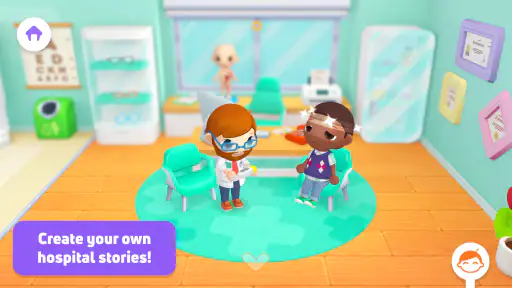
At the start, a useful way to approach the game is to follow one patient through a visit instead of trying to explore everything at once. Let the child decide who the patient is, what might be wrong and which room they want to visit next. This turns the hospital setting into a simple sequence of choices and gives the play a natural beginning and end. It also makes the game easier to share: an adult can ask questions and join the story without taking over the controls.
That open-ended rhythm is a better fit for younger children than a long list of objectives. A child who enjoys pretending to help people can create their own reason for moving between characters and spaces. If they lose interest halfway through, the story can simply stop there; there is no need to finish a complicated mission before putting the device away. In my view, that flexibility is one of the most practical reasons to keep a role-play game like this available for short stretches of quiet time.
Our Stories on Central Hospital Stories
How Mini Block Craft Realm Craft Redefines Mobile Adventure
NewsDancing Road Turns Short Breaks Into a Test of Rhythm and Timing
NewsSuper Stylist Makes Every Outfit a Test of Taste and Patience
NewsDominoes on Your Terms: Who Should Play and Who Should Pass
NewsPokémon GO Makes the Familiar World Feel New
NewsChess.com Turns Rematches Into Rivalries, but Community Has Its Costs
NewsProgress you can notice without chasing a score
Progress here is best treated as growing familiarity with the play world, rather than proof that a child is mastering a demanding system. As they revisit the hospital, they can get more comfortable choosing characters, handling the touch controls and inventing what happens next. Unlocks can give them a reason to return, but I would frame them as something to discover at the child’s pace, not as a reward they have to earn through a prolonged session.
One small tip is to let the child choose a single destination before opening the game: perhaps they want to play out a check-up, or they want to spend time in one particular room. That keeps the session focused and reduces aimless tapping. It also gives a parent a natural stopping point: finish the little story, then take a break. For a young player, that kind of self-contained play can feel satisfying even when the game is not built around a visible score or a difficult level clear.
What the hospital role-play feels like in everyday use
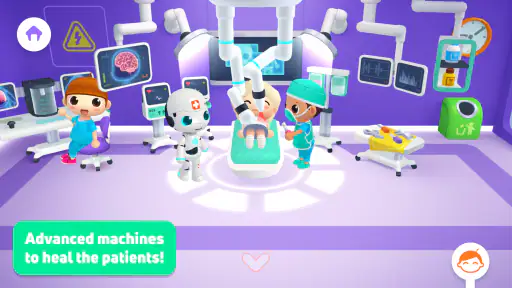
Picture this: a bustling hospital where you call the shots. Central Hospital Stories puts you in charge of everything, from diagnosing patients to managing a team of quirky doctors and nurses. It's like being the star of your own medical drama, minus the stress of real-life emergencies.
Gameplay that Keeps You Hooked
One of the things I absolutely love about this game is its engaging gameplay. You're not just tapping mindlessly on your screen; you're making strategic decisions that affect the outcome of each patient's visit. From diagnosing mysterious illnesses to performing surgeries, every action has a consequence. It’s a bit like playing chess, but with more bandages and syringes!
Gaming Stories You May Enjoy

Archery Battle 3D Review: Sharp Aiming, Unclear Feedback

Should You Switch to Geometry Dash Meltdown? A Test of Timing and Patience

Fidget Toys Trading・Pop It 3D: What Happens When the Game Stumbles

NBA LIVE Mobile Makes the Season the Main Event

Sonic Forces: PvP Battle Race - Speed and Strategy Combined

Unlocking the Secrets of Piano Game: Classic Music Song
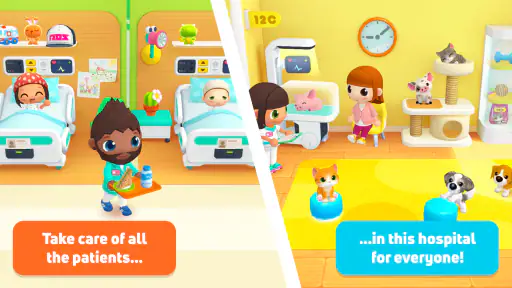
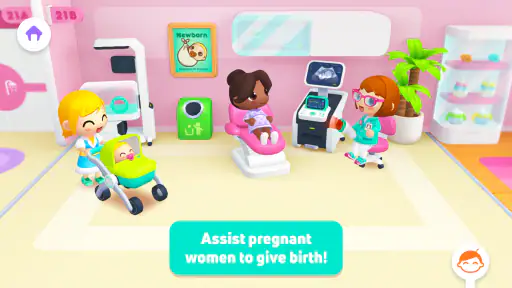
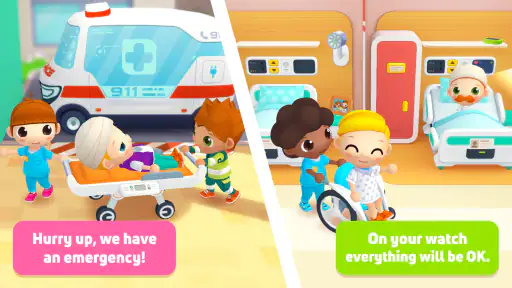
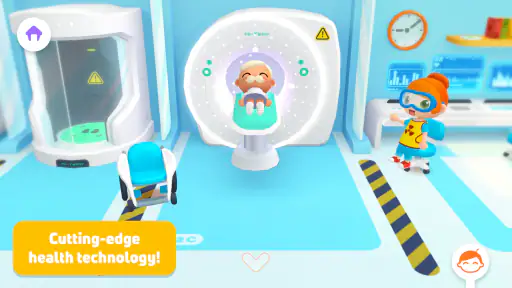
The game offers a variety of rooms to explore, each with its own unique challenges. Whether it's the operating room, the maternity ward, or the pharmacy, there's always something exciting happening. Plus, the colorful graphics and lively animations add an extra layer of fun to the whole experience.
A routine that suits short sessions
The game’s broad, pretend-play premise makes it particularly useful when you have a few minutes to fill and want something that invites conversation rather than passive watching. For example, during a quiet stretch at home, a child might pick a patient, act out a visit with a parent, and then hand over the device when the story is done. I’d keep the session child-led: asking “what happens next?” is more rewarding here than trying to hurry them toward an imagined correct answer.
For caregivers, the hospital setting also creates an easy opportunity to talk in everyday terms about helping, waiting and caring for someone who feels unwell. I wouldn’t treat the game as a substitute for real health guidance or use its play as a lesson in medical procedures. Its value is in imaginative role-play, and that distinction matters: children can enjoy acting out a visit without being expected to learn accurate diagnosis or treatment from a game.
Where it sits among children’s games
Compared with a puzzle or learning app built around right and wrong answers, this is a looser experience. It gives a child more room to invent a scene, but it may offer less structure for someone who wants clear tasks and a steady sense of achievement. Compared with a general dress-up or dollhouse game, the hospital theme gives the pretend play a specific setting and a ready-made reason for characters to meet. That can be a plus for children interested in doctors and nurses, while being a poor match for a child who prefers vehicles, animals or fantasy adventures.
Its educational label is best understood in that modest way: children can explore a familiar community setting through play, but I would not choose it as a focused teaching tool for reading, maths or science. If your priority is structured learning with measurable exercises, a purpose-built educational app is likely a better fit. If the goal is to encourage a child to tell stories and take turns inventing what a character does, the hospital theme gives you a useful starting point.
Characters that Steal the Show
What makes Central Hospital Stories truly stand out are its characters. Each staff member and patient has a distinct personality, and their interactions are both hilarious and heartwarming. You'll meet the grumpy surgeon who secretly loves puppies and the clumsy nurse who always manages to save the day. These characters bring the game to life and make every moment memorable.
Difficulty, pacing and the cost of returning
The challenge here is less about mastering a hard system and more about keeping a child interested in inventing new situations. That makes the pace forgiving, but it also means a player who needs frequent goals, tougher tasks or a strong sense of completion may run out of motivation. I would not push through a session just to reach an unlock; a short visit that ends while the child is still enjoying the story is often a better experience than turning play into a chore.
The game is free to start, and in-app purchases are listed at around three to four and a half dollars per item. For a family, the practical question is whether the free play already gives a child enough to enjoy before considering any purchase. I recommend trying it together first and deciding in advance whether spending is appropriate. In particular, avoid presenting unlocks as something a child can obtain simply by tapping around; an adult should handle purchase decisions and set expectations clearly.
There are also a few useful trade-offs to keep in mind. The touch controls can feel finicky, as the original play experience notes, so a very young child may need help selecting or moving things on screen. Playing alongside them for the first session lets you see whether they can manage the interactions comfortably. If the controls frustrate them more than the role-play delights them, a physical toy doctor kit or a simpler pretend-play game may be a happier alternative.
Who I would recommend it to
SUBARA’s educational game has a broad audience: it is rated for everyone, and its hospital pretend play is most naturally suited to toddlers and young children who enjoy assigning roles and making up small stories. The game has a 4.4 average from around 138,000 ratings and has been installed over 50 million times, which suggests it has found a large audience, though popularity alone cannot tell you whether its style will suit your child. I’d start with their interests: a child who likes role-playing everyday jobs is more likely to connect with it than one who wants competition, timed challenges or a clear win screen.
It is also worth checking the device before installing. The current version is 1.8.3 and requires Android 7.0 or later. If you are choosing between this and a more structured children’s game, think about what you want the device time to do. This one is better for collaborative storytelling and casual exploration; a game with explicit lessons or a more directed progression will serve a different purpose.
A Few Bumps in the Road
Of course, no game is perfect, and this one has its quirks. Occasionally, the controls can be a bit finicky, which might lead to some frustrating moments. Also, while there are plenty of rooms to unlock, some players might find the progression a tad slow. But honestly, these are minor bumps in an otherwise delightful ride.
If you're looking for a game that's both entertaining and a bit educational, Central Hospital Stories is definitely worth a shot. It's a refreshing blend of strategy and humor that will keep you coming back for more. So, whether you're a seasoned gamer or just looking for a fun way to pass the time, this app has something for everyone. Happy healing!
My progression verdict
For me, the progression is most successful when it quietly supports pretend play instead of becoming the reason to play. The early attraction is the hospital setting and its characters; the ongoing reason to return is the chance to invent another visit or a new little scenario. Unlocks and room exploration can help sustain curiosity, but a slower pace may disappoint children who expect constant rewards. I’d recommend keeping expectations light, using short, child-led sessions and treating purchases as an adult decision. Released on April 13, 2019, this free game is a cheerful option for families who want imaginative healthcare role-play, but it is not the right pick when structured lessons, precise controls or challenging progression are the main priorities.
Central Hospital Stories Pros and Cons
Pros
- Engaging storyline for kids
- Interactive hospital environment
- Educational and fun gameplay
- No in-app purchases
- Colorful graphics and design
Cons
- Limited character customization
- May require parental guidance
- Only available in English
- Some features require internet
- Can be repetitive over time
Frequently Asked Questions
What is Central Hospital Stories?
Central Hospital Stories is an engaging role-playing game designed for children, where users can explore a hospital environment. Players can interact with various characters, manage hospital operations, and create their own stories within the game. The app is highly educational, promoting creativity and problem-solving skills.
Is Central Hospital Stories safe for children?
Yes, Central Hospital Stories is designed with children in mind, offering a safe and educational environment. The game does not contain harmful content and adheres to strict privacy policies to ensure a secure experience for young users. Parents can feel confident in allowing their children to explore and learn with this app.
What platforms is Central Hospital Stories available on?
Central Hospital Stories is available for download on both Android and iOS platforms. Users can find the app on Google Play Store for Android devices and the Apple App Store for iOS devices. It ensures a wide accessibility for users with different types of smartphones and tablets.
Do I need an internet connection to play Central Hospital Stories?
No, Central Hospital Stories can be played offline, making it convenient for users who may not always have internet access. However, some features might require an internet connection, such as downloading updates or accessing additional content. The core gameplay experience remains accessible without an internet connection.
Are there in-app purchases in Central Hospital Stories?
Yes, Central Hospital Stories offers in-app purchases. While the game provides a substantial amount of free content, users have the option to purchase additional features or content to enhance their gameplay experience. Parents should be aware of these options and may want to manage in-app purchase settings to control spending.


