

Cats Mansion: Cat Games
- Reviews
- 4.7
- Version
- 1.56
- Installs
- 1,000,000+

Screenshots



 Analysis by Frivlyz
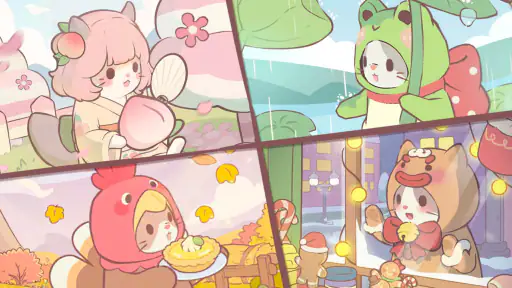
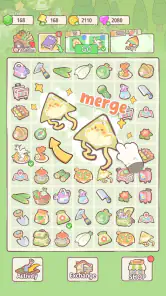
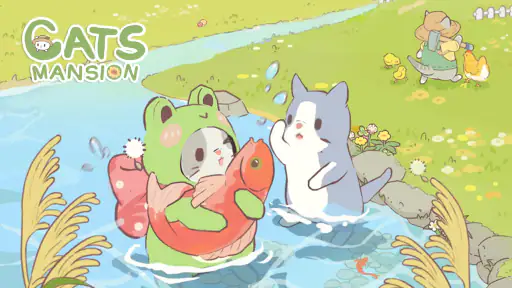
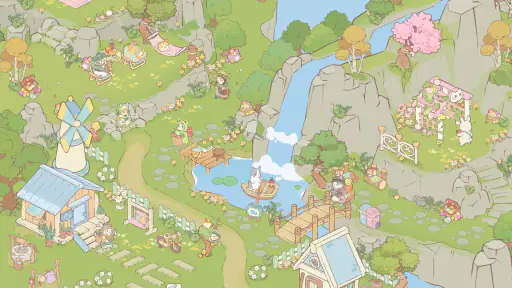
I spent time with Cats Mansion: Cat Games as the kind of casual game you open when you want something gentle rather than demanding. Its central appeal is easy to understand: combine items, spend time around cute cats, and gradually shape a cozy mansion atmosphere. That sounds simple, but the real question is whether the loop gives you enough reason to return after the first pleasant session. In my experience, it works best as a small comfort game for short breaks, not as a deep strategy title or a substitute for a more competitive puzzle game.
The game is made by Ladaneta Games and is free to download, with optional in-app purchases ranging from $0.19 to $99.99 per item. It is rated for Everyone, runs on Android 6.0 or later, and its current version is 1.56. Those details make it approachable for a broad audience, although families should still remember that free games with purchases can feel different depending on how often the player is tempted to spend.
What to consider before choosing this cozy merge game
I find it helpful to decide what I want from a cozy game before settling into its routine: a few satisfying actions, a reason to come back, or simply a pleasant place to pause. This section looks at how the merge loop and cat-filled setting feel in everyday play, while also considering whether the optional spending fits your habits. From there, I’ll compare its slower, ongoing progress with other casual styles.
The main loop is relaxing, but repetition matters
The first thing I look for in a merge game is whether the basic action feels satisfying enough to repeat. Here, the appeal comes from combining objects and watching the space develop around the cats. The cute presentation gives each small action a softer emotional tone than a typical match or resource game. I found that useful when I wanted something visually pleasant and uncomplicated, especially during a short pause between other tasks.
That same simplicity is also the main trade-off. If you want demanding puzzles with several possible solutions, precise planning, or a strong competitive layer, this is unlikely to be the right choice. The game is built around comfort and gradual progress. It asks for patience more than mastery, so players who need constant novelty may feel that the routine settles in quickly.
I would judge it by three practical questions. First, do you enjoy merge mechanics even when the pace is unhurried? Second, do charming cats and a decorative setting make repeated small tasks worthwhile for you? Third, are you comfortable treating optional purchases as something to ignore rather than as part of the core experience? If the answer to all three is yes, the game has a clear place on your phone.
Who will get the most from it
This is a strong fit for someone who likes casual games that can be played in small pieces. I could imagine opening it while waiting for an appointment, taking a few turns during a lunch break, or using it as a low-pressure wind-down before bed. The absence of a need to become highly skilled immediately is important here. You can approach it as a tiny daily ritual instead of a game that demands a long uninterrupted session.
Gaming Stories You May Enjoy

Dancing Road Turns Short Breaks Into a Test of Rhythm and Timing

Super Stylist Makes Every Outfit a Test of Taste and Patience

Dominoes on Your Terms: Who Should Play and Who Should Pass

Pokémon GO Makes the Familiar World Feel New

Chess.com Turns Rematches Into Rivalries, but Community Has Its Costs

Archery Battle 3D Review: Sharp Aiming, Unclear Feedback
It may also suit younger players because the age rating is Everyone and the visual direction is friendly rather than aggressive. I would still supervise spending on a shared device, particularly because the purchase range reaches from very small amounts to substantially larger optional items. The safest approach for a child is to establish a clear rule before playing: enjoy the free progression first, and ask before buying anything.
On the other hand, I would steer away from it if your priority is a story-heavy cat adventure, a serious interior-design simulator, or a puzzle game that keeps escalating in difficulty. The cat theme is the emotional center, but it does not automatically turn the game into a narrative experience. Likewise, a cozy look should not be mistaken for unlimited creative control. Players who want detailed decoration systems may prefer a dedicated design game.
Why the cat setting makes a difference
The cats are not just a cosmetic label placed on top of an ordinary merge game. They change the mood of the loop. Combining objects feels less like clearing a board for its own sake and more like taking care of a small, cheerful space. That distinction matters when I am choosing between several casual games with similar basic mechanics. A colorful cat-filled setting can make a familiar action feel more personal and easier to revisit.
There is also a useful psychological advantage in the gentle framing. When I make a poor choice in a fast puzzle game, I can feel that I have wasted a turn or missed a target. In a cozy merge game, the consequence feels softer because progress is presented as gradual improvement to a pleasant environment. That makes it a better companion for tired moments, although it also means the satisfaction depends heavily on whether you enjoy slow accumulation.
Where it stands against other casual choices
Choosing between casual games often comes down to the kind of attention you want to give them, not just their theme. I’ll weigh the steady, hands-on feel of this mansion-building merge game against the sharper goals of match-three puzzles, the lighter touch of idle games, and the more direct interaction of virtual pets. That comparison makes it easier to see where its relaxed pace is a lasting strength—and where another choice may suit you better.
Compared with match-three games
Traditional match-three games usually give you a compact board, quick decisions, and a clear sense of winning or losing each level. Cats Mansion takes a more continuous approach. Instead of focusing on one short puzzle result, you are encouraged to build progress over time. I prefer this when I want to relax without worrying about a countdown or a difficult level blocking me immediately.
The trade-off is energy. Match-three games often create a sharp burst of satisfaction because a chain reaction can change the board in seconds. The merge format here is calmer and more deliberate. If you enjoy planning several moves ahead on a tight board, a conventional puzzle title may keep your attention better. If you enjoy watching a collection grow and a setting become more inviting, this game has the stronger emotional hook.
Compared with idle and collection games
Idle games are convenient because they can provide progress with very little input. They are ideal for players who want to check in briefly and collect results. Cats Mansion is more hands-on than that style because the player’s actions matter during the session. I like that difference: it gives me something to do rather than simply asking me to claim a reward and leave.
However, it is not the best option for someone who wants a game to run almost entirely in the background. You need to participate in the merge routine to get the most from it. That makes the experience more engaging, but it also creates a higher time commitment than a purely idle app, even if individual sessions remain short.
Compared with dedicated virtual-pet games
A virtual-pet game usually puts feeding, care, and direct interaction at the center. Cats Mansion approaches the fantasy from another angle: the pleasure comes from the merge-and-decorate rhythm surrounding the cats. I would choose this game over a virtual pet if I wanted a structured activity with visible progression. I would choose a virtual pet instead if my priority were direct care, frequent reactions, or a stronger feeling that one specific animal depends on me.
This distinction can prevent disappointment. The game’s charm comes from the whole mansion atmosphere, not from pretending that it is a full pet-care simulator. Knowing that before downloading it makes the choice much easier.
Compared with larger decorating games
Big decorating games often offer many rooms, elaborate customization, and a more pronounced makeover fantasy. Cats Mansion feels more approachable because its cozy identity is concentrated around a smaller, clearer idea: cats, merging, and a pleasant home. That focus is a strength when I want something I can understand quickly.
The limitation is that players who enjoy making highly specific design decisions may eventually want more control than this format provides. A larger decorating game would be a better fit for someone who treats the room arrangement as the main creative outlet. Here, decoration supports the relaxing loop rather than replacing it.
Small habits that make the experience better
My most useful tip is to avoid treating every available move as equally urgent. In a merge game, it is tempting to combine items immediately just because a combination is possible. I found the experience more comfortable when I paused to consider whether a merge would improve the current space or simply clear room temporarily. That small change reduces the feeling of tapping through tasks and makes the board feel more intentional.
A second tip is to play in short, planned visits instead of opening the game whenever you feel bored. A brief session with a simple goal—such as tidying the available space or working toward one visible improvement—keeps the game from becoming background noise. This is especially helpful for people who like cozy games but lose interest when progress becomes an endless stream of identical actions.
A third insight concerns purchases. Because the game is free, I would first decide whether the basic loop is enjoyable without spending anything. Optional items can be tempting in a progression game, but buying something does not solve the more important question: do you actually like merging and returning to the mansion? I recommend waiting until the game has earned a place in your routine before considering any purchase, and setting a personal limit in advance.
For a shared family tablet, I would also make the spending conversation part of setup rather than leaving it until after an accidental purchase. The Everyone rating makes the game broadly accessible, but age suitability and spending readiness are separate issues. A child can enjoy the cats while still needing an adult to control purchases.
What the popularity tells me—and what it does not
The game has passed one million installs, with an average rating of 4.7 from around seventeen thousand ratings and 853 written reviews. That is a strong sign that its cozy formula connects with a sizable audience. I read those figures as evidence of broad appeal, not as a guarantee that every casual player will enjoy the pacing.
Popularity is particularly easy to misread with a game like this. Someone who wants a soothing cat-themed pastime may consider the gentle pace a major benefit, while someone searching for difficult puzzles may see the same pace as a weakness. The rating tells me that the intended audience is finding value, but the best decision still depends on the kind of attention I want from a game.
The practical cost of switching from another game
Moving to Cats Mansion from a match-three game is not difficult mechanically, but it does require adjusting expectations. You may need to accept that progress feels less like completing a sequence of self-contained victories and more like maintaining a growing project. Players coming from idle games face the opposite adjustment: the game rewards active involvement rather than only checking in for accumulated results.
Switching from a decorating title can also change what counts as success. Instead of judging every session by how much freedom you had to redesign a room, you may find yourself valuing a smoother merge chain or a more satisfying sense of collection. I would give it several short sessions before deciding, because the appeal is cumulative. A quick first impression can miss the comfort of returning to a space that has gradually become more complete.
The low entry cost helps with that experiment. Since the game is free, trying the core experience does not require committing money at the start. The more important cost is attention: if you already have several merge or collection games installed, adding another may divide your routine rather than improve it. I would remove it if it begins to feel like another obligation instead of a relaxing choice.
Version, access, and everyday suitability
The current version is 1.56, and the minimum operating-system requirement is Android 6.0. That makes the game accessible on a wide range of Android devices, including older phones that cannot run newer software. I would still judge the experience on the device you plan to use, especially if it is shared with children or used mainly during travel, because convenience matters more than the technical minimum in everyday use.
The free model is useful for testing the game’s personality before making a decision. You can find out whether the cats, the mansion setting, and the merge rhythm are enough to hold your interest. If you dislike the basic loop, spending more will not make it the right category of game. If you enjoy it but want to support the experience or move through optional parts faster, purchases are available, though I would treat them as extras rather than requirements.
My recommendation for different players
I recommend Cats Mansion to players who want a soft, cat-themed merge game for short, low-pressure sessions. It is particularly appealing if you enjoy gradual visual progress, prefer collection and organization over competition, and like the idea of a cozy setting that gives familiar mechanics more personality. The Everyone rating and broad Android compatibility also make it a practical choice for households looking for a simple casual game.
I would not recommend it as the first choice for someone seeking intense puzzles, a deep story, direct virtual-pet care, or extensive interior-design control. In those cases, a different category will serve you better: choose match-three for sharper decisions, an idle game for minimal interaction, a virtual-pet game for direct care, or a larger decorating game for creative control. Those are not flaws in Cats Mansion; they are signs that its purpose is narrower and more relaxed.
My final advice is to download it with modest expectations and play it as a comfort routine rather than a major gaming commitment. Give the free loop enough time to show whether the mansion atmosphere genuinely makes you want to return. The deciding factor is not the cat theme alone, but whether gradual merging feels rewarding to you. For me, that focus gives Ladaneta Games’ casual title a clear identity: it is a pleasant little escape, best enjoyed when I want something cute, calm, and easy to pick up without demanding all of my attention.
Cats Mansion: Cat Games Pros and Cons
Pros
- Relaxing match-3 gameplay suitable for short sessions.
- Cute cat characters add charm and personality to the experience.
- Home decoration gives progress a visual sense of reward.
- Simple controls make it accessible for younger players.
- Frequent level variety helps prevent the puzzles from feeling repetitive.
Cons
- Some later levels can feel difficult without using boosters.
- Energy limits may interrupt longer play sessions.
- Optional purchases can speed up progress for impatient players.
- The story is fairly light compared with the puzzle gameplay.
- Ads may appear between levels or when claiming extra rewards.
This Game in Other Languages
Frequently Asked Questions
What is Cats Mansion: Cat Games about?
Cats Mansion: Cat Games is a casual merge-and-decorating experience centered around adorable cats. You combine matching items to create upgraded objects, complete tasks, and gradually improve a mansion or its surrounding areas. As you progress, new rooms, decorations, and cat-related activities become available. The game is designed for relaxed play rather than fast action, making it suitable for short sessions or longer decorating sessions.
Is Cats Mansion: Cat Games free to download and play?
The game can generally be downloaded and played without an upfront purchase, but it may include optional in-app purchases. These purchases can provide extra energy, coins, boosters, decorations, or other progression benefits. The core gameplay is usually accessible for free, although waiting periods and limited resources may encourage spending. Before downloading, parents should also review the device’s purchase settings if children may play.
Does Cats Mansion: Cat Games require an internet connection?
An internet connection may be needed for certain parts of Cats Mansion: Cat Games, including advertisements, cloud-related features, event content, updates, and in-app purchases. Some basic gameplay may work temporarily offline, but the experience can vary depending on the device and game version. For the most reliable performance, it is best to launch the game while connected to Wi-Fi or mobile data.
Are there advertisements or in-app purchases in the game?
Yes, players should expect optional in-app purchases and advertisements in Cats Mansion: Cat Games. Ads may appear as standard promotional videos or as optional rewards that provide extra resources, while purchases can speed up progress or add premium items. The game can still be enjoyable without spending money, but resource limits and timers may make progression slower for players who choose a completely free-to-play approach.
Is Cats Mansion: Cat Games suitable for children and casual players?
Cats Mansion: Cat Games is generally aimed at players who enjoy cute animals, simple merging mechanics, home decoration, and relaxed progression. It does not focus on combat or complicated controls, so it can be approachable for casual players. However, adults should check the game’s age rating, advertising, privacy information, and purchase options before allowing younger children to play, especially on shared mobile devices.


