

Bug Smashing toddler games
- Reviews
- 4.4
- Version
- 4.1.35
- Installs
- 5,000,000+

Screenshots
 Analysis by Frivlyz
When I judge a game for very young children, I look beyond whether it can hold their attention: I want to know if its play is simple enough to enjoy together, what kind of value it offers before spending money, and where it may fall short. Bug Smashing toddler games is an educational game from Kidemy aimed at children aged one to four. It is free to get, while optional in-app purchases are listed at $4.99 to $29.99 per item, so the useful question is how much the free experience suits your family before you consider paying for anything.
What the free access means in practice
I appreciate that a parent can start without paying an upfront price. The game has an Everyone age rating, and its focus on short, direct interactions makes it easier to try with a toddler than a more involved game that expects reading or long attention. If you are deciding whether it belongs in your child’s routine, I would begin with a brief, supervised session and see whether your child enjoys the basic interaction rather than treating the download as a promise of lasting engagement.
Optional purchases are available, but I would not assume that paying is necessary for a young child to get something out of the game. The listed item range is broad, and the best choice is to assess the free access first, then consider a purchase only if your child returns to it and you understand what that item provides. I would also keep the purchase decision with an adult: toddlers should not be left to make spending choices inside a game.
Who is likely to get value from it
This is most appealing for a caregiver who wants a very simple activity to share with a child in the one-to-four age range. It can suit a short wait at a café, a quiet spell before dinner, or a moment when you need to sit with your child and help them practise tapping and noticing what appears on screen. It is less suitable as a substitute for outdoor play, books, or hands-on toys; I see it as a small digital activity, not a complete learning plan.
In an everyday situation, I would offer it while waiting for food, stay beside the child, and talk about what they are seeing instead of handing over the device and walking away. That gives you a chance to notice whether the pace is comfortable and whether the child is following the game’s distinctions. If the child becomes frustrated, loses interest, or starts tapping randomly, that is a good cue to stop rather than push through another round.
Where it sits among toddler games
Compared with picture-book apps, this game puts more emphasis on quick visual responses and tapping than on listening to a story or exploring a narrative. Compared with open-ended drawing or building apps, it gives the child a narrower task to focus on. That can be helpful when a toddler needs a clear, immediate activity, but it also means families looking for creative expression, language-rich storytelling, or calmer unhurried play may prefer another kind of app.
The game has been available since October 21, 2014, and its current version is 4.1.35. It has a 4.4 average from around 13,000 ratings, with over 5 million installs. Those figures suggest that many families have tried it, but they cannot tell you whether its pace or style will suit your particular child. I would let your child’s reaction during a short first session carry more weight than popularity.
Gaming Stories You May Enjoy

Dancing Road Turns Short Breaks Into a Test of Rhythm and Timing

Super Stylist Makes Every Outfit a Test of Taste and Patience

Dominoes on Your Terms: Who Should Play and Who Should Pass

Pokémon GO Makes the Familiar World Feel New

Chess.com Turns Rematches Into Rivalries, but Community Has Its Costs

Archery Battle 3D Review: Sharp Aiming, Unclear Feedback
A Colorful Introduction to the World of Bugs
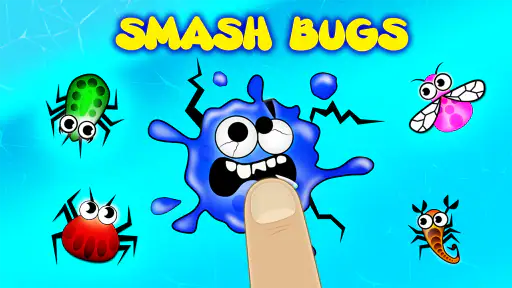
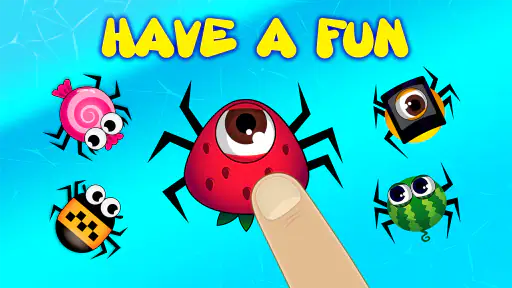
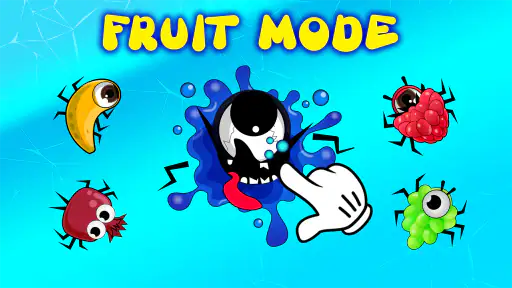
From the moment you launch Bug Smashing toddler games, you’re greeted with a vibrant splash of colors and cute graphics that instantly draw you in. The interface is incredibly user-friendly, making it perfect for toddlers who are just beginning to explore the digital world. The app offers a variety of levels, each designed to captivate and challenge your child's mind.
Gameplay: Simple Yet Engaging
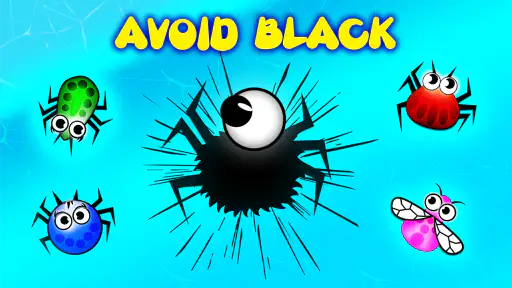
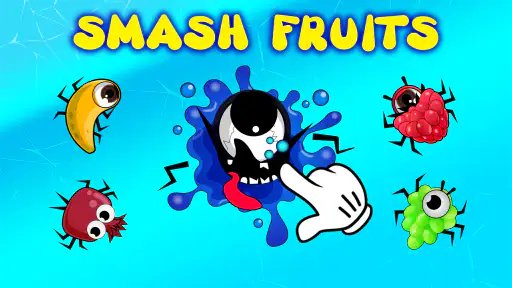
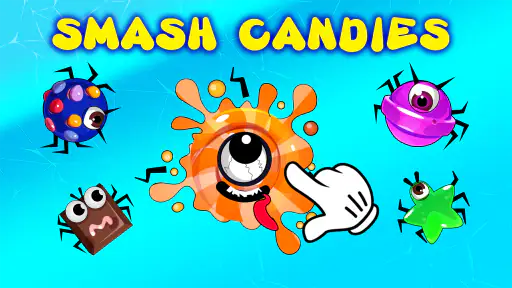
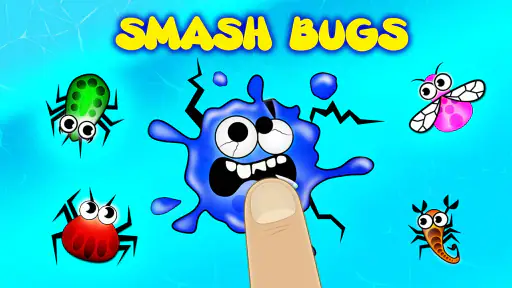
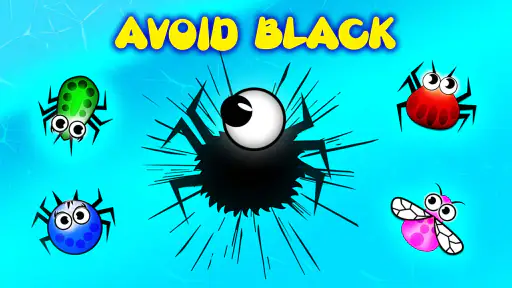
Now, let's talk about the gameplay! It's as straightforward as it gets – your child needs to smash as many bugs as they can within a given timeframe. But here's the catch: not all bugs are meant to be smashed. The game cleverly introduces different types of bugs, each with their own characteristics, teaching kids to identify and differentiate between them. This not only improves their attention to detail but also enhances their decision-making skills.
The sound effects are another aspect that adds to the fun. The giggles and cheers that follow each successful smash are sure to bring a smile to your child's face. Plus, the background music is upbeat and lively, keeping the energy levels high throughout the game.
Learning Through Play
One of the standout features of Bug Smashing toddler games is its educational component. While it might seem like a simple game at first glance, it actually does wonders for developing hand-eye coordination and fine motor skills in children. The app also introduces basic counting and color recognition through its various levels, making learning a seamless part of playtime.
As a parent, it’s reassuring to see a game that strikes the right balance between entertainment and education. The app allows children to learn at their own pace, and the levels increase in difficulty, ensuring that it remains challenging and engaging as your child grows.
What to watch during a session
The timed smashing mechanic is the main trade-off I would keep in mind. A child who enjoys quick reactions may find it lively, while a child who needs extra time to understand the difference between bugs may feel rushed. I would sit alongside them for the first few turns, explain the goal in simple words, and watch whether the challenge feels fun or stressful. If they miss a target, I would avoid turning the moment into a test; the point is playful practice, not getting every tap right.
There is also a useful way to make the play more interactive without expecting the game to teach everything on its own. Before a tap, invite your child to point at or name the bug they notice; afterwards, ask what they saw change. This slows the activity down and gives you a chance to support attention and language in your own words. It is a parent-led approach, not a separate game feature, and it works best when the child is interested rather than being quizzed.
Age, supervision, and practical fit
The intended age range is unusually broad for early childhood: a one-year-old and a four-year-old are likely to approach tapping, timing, and visual choices very differently. For the youngest child, I would expect to stay close and help with the device, while an older toddler may be more able to follow the task independently for a short stretch. The Everyone rating is useful context, but it does not mean every child will enjoy the pace or that the game needs no adult guidance.
For a practical trial, keep the first session short and notice three things: whether your child can make sense of the tap action, whether they seem to understand that some bugs should be treated differently, and whether the sounds and pace keep them cheerful. Those observations answer more than simply asking if they like it. If they enjoy the visuals but struggle with the timing, you can decide that it works only with your help—or that a slower app would be a better fit.
Making a sensible purchase decision
Because the game is free to download and includes optional purchases, I would separate “worth trying” from “worth paying for.” A free first look is low commitment; a paid item is a different decision and should depend on what your family actually wants from it. I would not buy anything merely because a child has tapped through a few rounds, especially if they are too young to understand the difference between play and purchasing.
Before spending, check the purchase choice with the adult who manages the device and decide whether the child is returning to the game often enough to justify it. If the appeal fades quickly, the free access may be all you need. If your child consistently asks to play and the available paid option clearly matches your needs, then you can weigh that value for yourself without assuming that a higher price automatically means a better learning experience.
Final Thoughts
In conclusion, Bug Smashing toddler games is a fantastic choice for parents looking to provide their toddlers with an enriching gaming experience. It’s a delightful blend of fun, learning, and skill development wrapped in an adorable package. Whether you’re using it to keep your child entertained on a long car ride or as part of their regular playtime routine, it’s sure to be a hit.
So, if you're ready to embark on a bug-smashing adventure with your little one, download the app today and watch as they giggle their way through a colorful and educational journey!
My buy-or-skip verdict
I would try it if your child likes bright, quick visual games and you are happy to guide the first sessions. Its free access makes that trial straightforward, and its bug-targeting play offers a more focused alternative to story apps or open-ended creative activities. I would skip it if your child is easily unsettled by a timer, needs a slower pace, or you are specifically looking for a rich story or a broad set of creative tools. For the right toddler, it can be an enjoyable short activity; I would keep expectations modest and let the child’s response—not the install count—decide whether it earns a place in your routine.
Bug Smashing toddler games Pros and Cons
Pros
- Engaging for young children
- Colorful and vibrant graphics
- Easy-to-understand gameplay
- Promotes hand-eye coordination
- No ads or in-app purchases
Cons
- Limited game variety
- Repetitive sound effects
- No offline play mode
- May not hold long-term interest
- Requires regular updates
Frequently Asked Questions
What is the main objective of Bug Smashing toddler games?
Bug Smashing toddler games are designed to help young children develop their motor skills and hand-eye coordination by tapping on various bugs that appear on the screen. The goal is to smash as many bugs as possible within a time limit, providing a fun and engaging way for toddlers to improve their reflexes and reaction times.
Is Bug Smashing toddler games appropriate for all ages?
Bug Smashing toddler games are specifically designed for toddlers and young children, typically aged between 2 to 5 years old. The game features colorful graphics and simple gameplay mechanics that are easy for young children to understand and enjoy. However, parental supervision is recommended to ensure that the content is suitable for your child.
Does Bug Smashing toddler games include any in-app purchases or advertisements?
The game may include in-app purchases and advertisements, which is common in many free-to-play apps. Parents should review the app settings to manage any purchases and consider using parental controls to prevent unintentional purchases. Checking the app's description and reviews can also provide more insights into its monetization model.
What educational benefits does Bug Smashing provide for toddlers?
Bug Smashing toddler games offer several educational benefits, including the enhancement of hand-eye coordination, fine motor skills, and cognitive development. By interacting with the game, toddlers learn to respond quickly to visual stimuli, which can aid in their overall cognitive growth. The game can also promote focus and concentration in young children.
Can Bug Smashing toddler games be played offline?
Some versions of Bug Smashing toddler games can be played offline, allowing children to enjoy the game without an internet connection. However, certain features, such as updates or additional content, might require online access. It's always a good idea to check the app's specifications or settings to confirm its offline capabilities.


