

Brotato: Premium
- Reviews
- 4.8
- Version
- 1.3.213
- Installs
- 500,000+

Screenshots
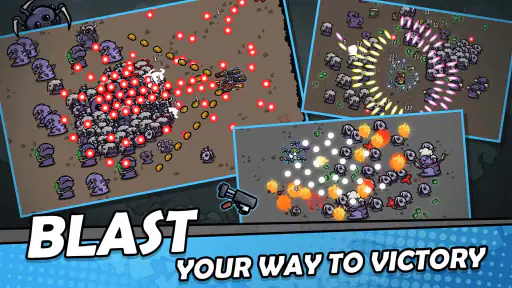
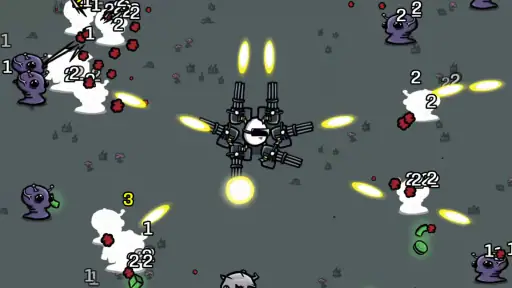
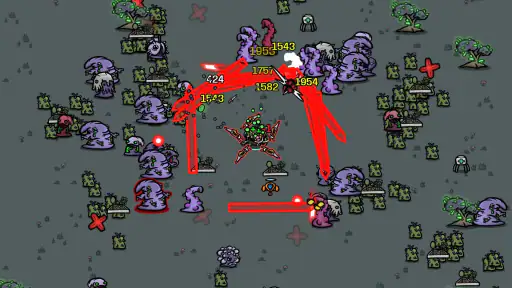
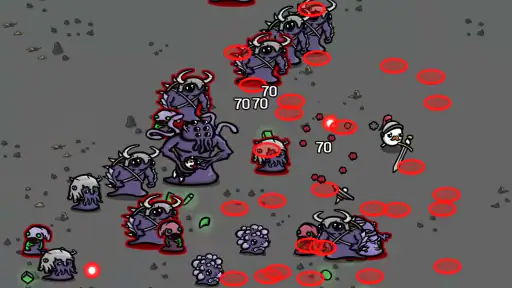
 Analysis by Frivlyz
I judge a mobile action game by a few practical questions: can I understand its rhythm quickly, does it give me meaningful decisions rather than nonstop tapping, and is a short session satisfying even if I do not have time to master it? Brotato: Premium caught my attention because its silly premise leads into a focused, demanding kind of play. It is a paid action game from Erabit Studios, built around surviving fights as a potato while shaping a chaotic arsenal. That mix makes it easy to approach, but it is not automatically a fit for every player.
The first decision is whether you enjoy action that asks you to adapt under pressure. This is not the sort of game I would choose when I want a slow story, a relaxing puzzle, or a long campaign with a carefully guided plot. Its appeal is the moment-to-moment challenge: threats crowd the screen, and I have to make choices while keeping an eye on what is happening around me. The playful potato theme softens the presentation, but the action still expects attention.
It also helps to know what kind of value you want from a mobile purchase. A paid game can suit someone who prefers to pay upfront and then focus on playing, rather than being repeatedly interrupted by sales prompts. At $3.49, this is a small one-time purchase rather than a free download to sample without commitment, so I would decide based on whether repeatable action runs are already your kind of entertainment. The game is rated Everyone 10+, and its broad, cartoonish premise makes it approachable, though the hectic combat may be more appealing to action fans than to very casual players.
Why the potato chaos works
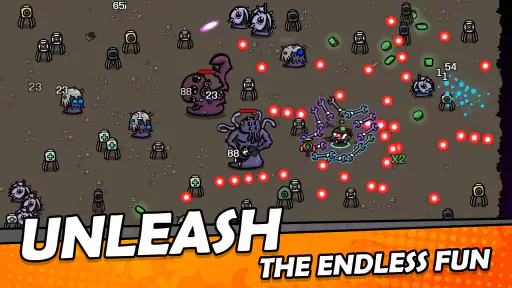
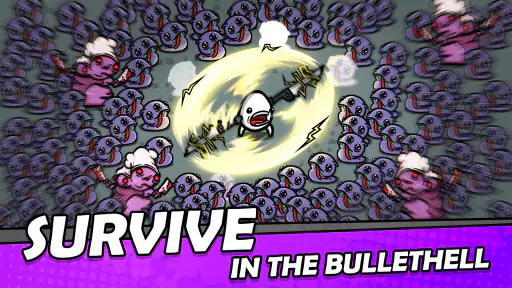
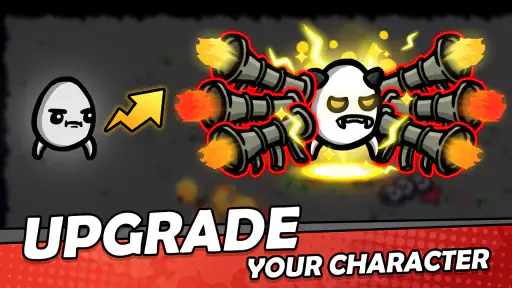
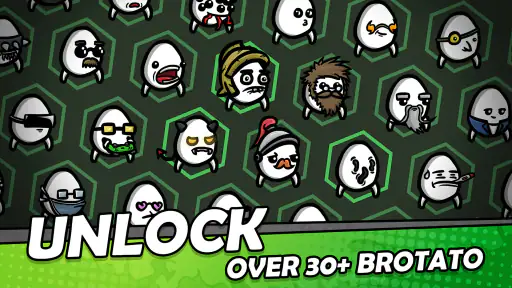
At first glance, Brotato: Premium might seem like your typical action-packed game but oh boy, it’s got layers. You’re basically a potato warrior, yes, you read that right, battling through waves of enemies. The whole premise is as quirky as it sounds, and honestly, that’s a big part of its charm. You start off with a potato character (who knew potatoes could be so fierce?) and as you progress, you get to unlock new abilities and weapons. It's like a buffet of chaos and fun, and who doesn't love a good buffet?
Gameplay and the decisions behind each run
One of the first things that struck me about this game is its smooth gameplay. The controls are intuitive, which means you can dive right into the action without fumbling around trying to figure out what button does what. The game’s pace is just right, not too fast to leave you overwhelmed, nor too slow to make you lose interest. You get to strategize on the fly, deciding which enemies to take down first and which weapons to upgrade. It's all about making quick decisions and adapting to the chaos around you.
That decision-making is where I think the game earns its replay value. A weapon or upgrade is not just a prize to collect; it changes how I approach the next stretch of action. When the screen gets busy, there is a real trade-off between building toward a plan and choosing what seems useful right now. I find it more satisfying to try a coherent direction for a run than to treat every reward as an automatic improvement. If a run goes badly, I can still take away a useful lesson about what I prioritized, rather than feeling that I spent the whole time waiting for a story beat.
A practical tip is to pause mentally between bursts of combat and check whether your choices are supporting the way you actually play. If I am struggling to stay clear of danger, I should not keep making choices as though raw damage is the only answer. On another run, I might deliberately test a different approach instead of trying to recreate the same build. That small change turns repetition into experimentation and helps explain why the game can remain interesting after its basic controls are familiar.
Gaming Stories You May Enjoy

Dancing Road Turns Short Breaks Into a Test of Rhythm and Timing

Super Stylist Makes Every Outfit a Test of Taste and Patience

Dominoes on Your Terms: Who Should Play and Who Should Pass

Pokémon GO Makes the Familiar World Feel New

Chess.com Turns Rematches Into Rivalries, but Community Has Its Costs

Archery Battle 3D Review: Sharp Aiming, Unclear Feedback
The graphics are another highlight. They’re vibrant and engaging, pulling you right into the potato universe. Each level is uniquely designed, offering a fresh experience as you progress. Plus, the sound effects and background score complement the gameplay perfectly, adding an extra layer of excitement.
The busy presentation does come with a cost: during a crowded fight, visual clarity matters more than decorative detail. Players who dislike tracking several threats at once may find that intensity tiring, even if they enjoy the humor and bright style. I would treat this as an energetic game to focus on, not something that always works well as background entertainment while doing something else.
Who will get the most from it
Now, let’s get to why you’re going to love Brotato: Premium. First off, it’s the perfect blend of simplicity and challenge. You can pick it up for a quick gaming session or settle in for a longer playtime without it ever feeling repetitive. The game offers a variety of weapons and upgrades, which keeps things fresh and exciting. Plus, the humor sprinkled throughout the game is a delightful bonus. I mean, who wouldn’t chuckle at a potato wielding a bazooka?
In everyday use, I can see it working well during a short break when I want a compact burst of action rather than a lengthy commitment. It also suits a longer stretch at home when I feel like testing how different choices change the flow of a run. If I am waiting somewhere, I would start only when I can give the screen my attention; the hectic encounters are a poor match for a moment when I need to keep looking away. That distinction is more useful than simply calling it a quick game: the sessions can be brief, but the action still rewards concentration.
It is especially appealing to players who like learning by trying, failing, and adjusting. Someone who enjoys building a character around a particular combat style may find more to chew on here than someone who only wants a sequence of straightforward levels. The lighter tone also makes the premise easy to share with a friend, but the real draw is the changing tactical problem, not just the joke of controlling a potato.
Moreover, the game doesn’t bombard you with ads, which is a huge plus in my book. You can focus on enjoying the game rather than getting interrupted every few minutes. It’s also a premium version, which means you get a fuller experience without having to worry about in-app purchases nagging at you.
That upfront model will not suit everyone. If you normally try several free games before deciding what deserves your time, paying first creates a little more risk than downloading an ad-supported alternative. On the other hand, if interruptions are what make mobile games annoying for you, the direct purchase may feel like a fair trade. I would not buy it expecting a narrative adventure or a relaxed idle game; I would buy it because I want repeated action and room to refine my decisions.
How it compares with other action games
Compared with a conventional level-based shooter, this feels less about memorizing a fixed route and more about responding to a run as it develops. Compared with slower strategy games, it gives me less time to deliberate because combat keeps moving. That makes it a useful middle ground for players who want tactical choices without stepping away from action, but a less comfortable choice for anyone who prefers careful planning in a calm interface.
There is also a meaningful difference from competitive shooters. I would choose a competitive game when the appeal is matching skill against other people and learning a shared map or team role. Here, the focus is on my own choices and how I handle the pressure in front of me. If what I want is a social contest, this is not a substitute; if I want a self-contained action challenge I can pick up alone, it makes more sense.
Likewise, a story-driven action game may be a better fit when I want characters, dialogue, and a sense of progression built around a narrative. This game’s potato-centered absurdity gives it personality, but its strongest reason to return is gameplay experimentation. I would recommend choosing by mood: pick this when you want fast decisions and repeated attempts, and choose a campaign or puzzle game when you want a slower, more directed experience.
Small habits that make the experience better
One useful way to approach a new run is to decide what you want to learn before you begin. I might focus on whether a different weapon choice changes how safely I can handle a crowd, rather than trying to optimize everything at once. This keeps each attempt understandable: if it goes poorly, I have a clearer idea of which decision deserves another look. It is a more satisfying approach than chasing a perfect run from the start.
I would also avoid making every upgrade decision on autopilot. In a fast game, it is tempting to grab whatever looks strongest, but a choice that fits the current direction can be more valuable than an isolated boost. That is a general tactical judgement rather than a guaranteed formula; the useful point is to notice whether a choice supports your plan. The game is at its best for me when I am actively weighing those options, not just reacting to whatever appears.
Another trade-off is that repeated action can feel familiar if I am not interested in experimenting. The same basic loop that makes the game easy to revisit may become less compelling for someone who needs a new location, story development, or social objective every session. I would give it time if the first attempt feels chaotic, because familiarity with the flow makes decisions easier to read; I would move on if the core pleasure of adjusting a build simply is not there for me.
Practical fit, device expectations, and version
The game has a 4.8 average from around 35,000 ratings, with over 500,000 installs, which suggests that many players have found its particular blend of action and replayability worthwhile. Those figures are useful context, but I would not treat popularity as a guarantee that its busy combat suits my taste. The current version is 1.3.213, and it requires Android 6.0 or later. Before buying, I would check that my device meets that requirement and consider whether I am comfortable playing a fast-moving game on its screen and controls.
For someone deciding between this and a free action game, the key question is not simply which has more content. It is whether I prefer paying once to avoid the usual ad interruptions, or sampling a free alternative before spending anything. For someone choosing between this and a slower premium game, the deciding factor is pace: this one is for active runs and quick tactical reactions, not for quietly exploring a world at my own speed.
Switching to it from another action game should be easy at the level of basic expectations: move into the action, pay attention to danger, and make choices as opportunities appear. The bigger adjustment is mental. I need to accept that a run is an experiment, not a promise that every choice will work. If I carry over the expectation that progress must always be linear or story-led, I may miss the pleasure of learning through variation.
When I would pass
I would skip this if I want a calm game to play while watching a show, a long campaign with a strong narrative, or a multiplayer contest where other people are the main challenge. I would also hesitate if I dislike repeating a core action loop or feel frustrated when success depends on adapting quickly. The cheerful art and comic idea do not remove the pressure of the combat, so it is worth being honest about whether that pace sounds fun.
It may also be a poor choice for a player who wants every session to introduce a wholly different kind of activity. The appeal here is not constant reinvention; it is making fresh decisions inside a recognizable action framework. That is a strength for someone who likes mastery and a limitation for someone who gets bored once the basic pattern is clear.
On the other hand, if I have a short window and want something more engaging than a passive time-killer, the game’s run-based feel can be a good match. I would start when I can pay attention, use a few attempts to understand what choices change the action, and then decide whether the loop is pulling me back. That is a sensible way to judge it without expecting the first session to reveal everything.
Overall, if you’re up for a game that’s quirky, fun, and just the right amount of challenging, then give Brotato: Premium a try. It’s a game that doesn’t take itself too seriously, and sometimes, that’s exactly what you need to unwind. Grab your virtual potato shield and jump into the fray. Trust me, you’re in for a treat!
Brotato: Premium Pros and Cons
Pros
- Intuitive controls for easy gameplay.
- Engaging graphics and animations.
- Variety of weapons and items.
- Challenging levels for seasoned players.
- Frequent updates with new content.
Cons
- Requires constant internet connection.
- In-app purchases can be pricey.
- Limited character customization options.
- Occasional lag in multiplayer mode.
- High battery consumption on mobile.
This Game in Other Languages
Frequently Asked Questions
What is Brotato: Premium and how does it differ from the free version?
Brotato: Premium is an enhanced version of the popular action-packed game, offering exclusive features and content not available in the free version. Players enjoy ad-free gameplay, access to premium characters, and unique battle arenas, providing a more immersive and uninterrupted gaming experience. It's ideal for fans seeking extra challenges and customization options.
Is Brotato: Premium suitable for all age groups?
Brotato: Premium is designed for players who enjoy fast-paced action games, and it is generally suitable for teenagers and adults. The game includes some cartoonish violence, which may not be appropriate for younger children. Parents should review the game content and ratings to ensure it aligns with their values and the age of their children.
What are the system requirements for Brotato: Premium on Android and iOS?
To play Brotato: Premium smoothly, ensure your device meets the minimum system requirements. For Android, it requires version 5.0 or higher and at least 2GB of RAM. On iOS, the game is compatible with iOS 11.0 or later, running on devices like iPhone 6s or newer. Adequate storage space is also necessary for installation.
Does Brotato: Premium offer multiplayer or cooperative gameplay modes?
Brotato: Premium focuses primarily on a single-player experience, challenging players with its engaging storyline and intricate levels. However, the developers are considering adding multiplayer or cooperative modes in future updates, allowing friends to team up and tackle challenges together. Keep an eye on updates for potential new features.
How often does Brotato: Premium receive updates and new content?
The developers of Brotato: Premium are committed to providing a dynamic gaming experience by regularly releasing updates and new content. Updates typically include bug fixes, new levels, characters, and gameplay enhancements. Players can expect fresh content every few months, ensuring the game remains exciting and engaging over time.


