

Braindom: Brain Games Test
- Reviews
- 4.8
- Version
- 2.5.1
- Installs
- 50,000,000+

Screenshots
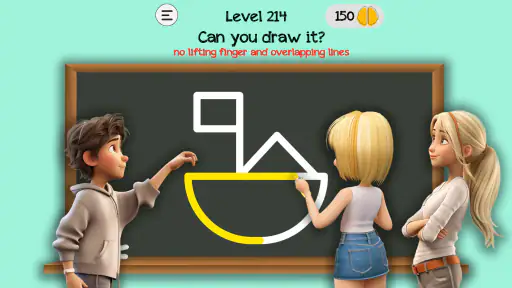
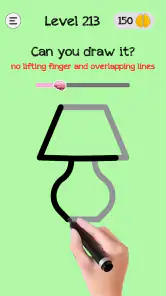

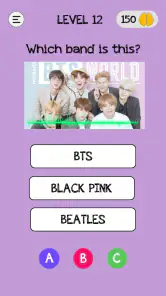


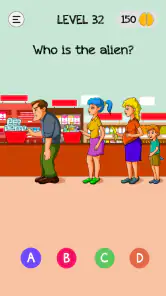

 Analysis by Frivlyz
My first impression of Braindom: Brain Games Test is that it works best as a playful change of pace, not as a serious brain-training program. Its puzzles invite you to look twice, question your first assumption, and enjoy the little surprise when a solution clicks. That makes it easy to pick up when I have a few spare minutes, though the game’s light, jokey approach will not suit everyone.
Why its puzzles make a good short break
The appeal is less about mastering one elaborate puzzle system and more about switching between different kinds of thinking. A level may ask me to reason through a riddle, interpret a visual clue, or notice that the obvious answer is not the intended one. That variety helps the experience feel lively, and it gives me a reason to pause before tapping rather than simply race through a familiar pattern.
That mix also makes the game approachable when I am not in the mood for a long session. I can try a puzzle, put the phone down, and return later without needing to remember a complicated story or a deep strategy. For a commute, a waiting room, or a quiet moment after work, that low commitment is a real strength. I would still treat it as casual entertainment rather than a substitute for a dedicated logic course or a structured daily training routine.
Our Stories on Braindom: Brain Games Test
Braindom: The Puzzle Game That Challenges Your Mind
NewsWhy Bingo Blitz™️ - Bingo Games is Your New Mobile Obsession
NewsSolar Smash: Unleash Cosmic Destruction with Stunning Realism
NewsWhy Word Cookies! ® Is the Ultimate Quick Brain Workout
NewsHangman: Nostalgia Meets Modern Mobile Gaming
NewsDancing Road Turns Short Breaks Into a Test of Rhythm and Timing
NewsHow I approach a stubborn level
When a puzzle seems impossible, I find it useful to pause and inspect the wording and image separately. The trick may depend on a small detail, an assumption in the question, or a different way of interpreting what is shown. I try a deliberate second look before reaching for help; that gives the solution more satisfaction and makes the hint system feel like a backup rather than the first move.
Hints are useful when I have genuinely run out of ideas, but they can also change the rhythm of a puzzle. If I use one too early, I may miss the pleasure of spotting the clue myself; if I sit stuck for too long, the game can stop feeling playful. My practical rule is to give each level a fair attempt, then use a nudge if I am only repeating the same guesses. That small bit of restraint keeps the challenge enjoyable without turning a casual game into a test of patience.
Who is likely to enjoy it—and who may not
I would recommend it to people who like riddles, visual trick questions, and quick puzzles that reward flexible thinking. It can also work well as a shared phone activity: one person reads the prompt while another studies the picture, and comparing guesses often makes the answer more fun than solving alone. That is a particularly good way to make a short wait feel less dull without needing a separate board game or a long setup.
On the other hand, I would steer players who want a calm, consistent logic challenge toward a more focused puzzle game. The changing styles are part of Braindom’s appeal, but they also mean that someone who loves mastering one rule set may find the experience less coherent. And if you dislike answers that depend on playful interpretation, rather than strict deduction, some levels may feel more cheeky than satisfying. It helps to come in expecting lateral-thinking entertainment, not a rigorous measure of intelligence.
Gaming Stories You May Enjoy

Super Stylist Makes Every Outfit a Test of Taste and Patience

Dominoes on Your Terms: Who Should Play and Who Should Pass

Pokémon GO Makes the Familiar World Feel New

Chess.com Turns Rematches Into Rivalries, but Community Has Its Costs

Archery Battle 3D Review: Sharp Aiming, Unclear Feedback

Should You Switch to Geometry Dash Meltdown? A Test of Timing and Patience
A Mind-Bending Adventure Awaits
The moment you launch the game, you’re greeted with a colorful and inviting interface that screams fun. The design is intuitive, so you won’t spend ages figuring out how to start playing. The game offers a variety of puzzles, each more challenging than the last. From riddles to logic puzzles, there’s something for everyone. And trust me, these aren’t the kind of puzzles you can breeze through without giving them some serious thought.
What’s the Buzz About?
So, what makes Braindom: Brain Games Test stand out in a sea of brain games? For starters, its variety is unmatched. Whether you're into visual puzzles or you prefer something that tests your verbal skills, this app has got you covered. The game does a fantastic job of mixing things up, keeping you on your toes with each level.
Another cool feature is the hint system. We all get stuck sometimes, and it's great to have a little nudge in the right direction without giving away the answer entirely. It’s a balanced approach that keeps the challenge alive while ensuring you don’t get frustrated and give up.
Engagement and Replayability
If you're anything like me, you probably worry about getting bored with a game after a few days. But here's where Braindom shines. The game regularly updates with new levels and challenges, so there's always something fresh to look forward to. Plus, the levels are designed in such a way that even after completing them, you might want to revisit to see if you can solve them faster or in a different way.
Moreover, the game encourages you to think outside the box. It’s not just about finding the right answer; it’s about the journey you take to get there. And who doesn’t love a game that makes you feel like a genius when you finally crack a particularly tough puzzle?
Practical details before you install
Matchingham Games makes this free word-and-puzzle game, which is rated for Everyone. It first appeared on June 5, 2020, and version 2.5.1 is listed for devices running Android 7.0 or later. Its 4.8 average from around two million ratings and more than 50 million installs suggest it has found a broad audience, though popularity alone cannot tell you whether its playful puzzle style will suit your taste. There are in-app purchases, priced from $1.49 to $6.99 per item, so I would check any purchase prompt before confirming it.
One useful way to decide whether to spend on anything is to try the game at your own pace first and notice what actually interrupts your enjoyment. If you are comfortable moving past a difficult level with a hint, you may not feel a need to buy anything. If you prefer to solve every puzzle unaided, patience may matter more than spending. I would also avoid treating a purchase as a shortcut to better reasoning: the appeal is in the moment of working through the clue, not simply reaching the next screen.
How it compares with other word and puzzle games
Compared with a traditional crossword or word-search game, Braindom puts less emphasis on building vocabulary or steadily filling a grid. Its verbal puzzles are mixed with visual and lateral-thinking challenges, so it is a better fit when you want variety than when you want a focused language exercise. Compared with a pure logic game, it is less about applying one consistent set of rules and more about interpreting each prompt on its own terms.
That distinction is worth keeping in mind if you are choosing between puzzle apps. For a quiet, methodical challenge, I would pick a game built around one puzzle format. For a casual session with a friend, or a few unexpected questions between errands, Braindom’s shifts in style are more inviting. The trade-off is that not every solution will feel equally rigorous; sometimes the pleasure comes from the playful reveal, not from proving a conclusion step by step.
A small routine that keeps the game enjoyable
In an ordinary day, I might open it while waiting for a coffee or sitting before an appointment. I would play a few levels, stop when I notice myself guessing randomly, and save the harder puzzle for a time when I can look at it properly. This avoids turning a quick diversion into a frustrating chore. If I am with someone, I would read the question aloud and let each person explain their reasoning before anyone taps an answer; that makes the game more social and helps expose assumptions the other person may have missed.
For solo play, I recommend giving yourself a simple limit: make a couple of considered attempts, inspect the clue from another angle, and then decide whether a hint is worth using. That is not a rule built into the game, just a way I keep the experience fun. It also helps distinguish a genuinely clever puzzle from one that is merely holding my attention through repeated guessing.
What to expect from the challenge
The game is at its best when I approach each level with curiosity rather than expecting every answer to follow textbook logic. A visual riddle may reward noticing what is unusual in a picture; a verbal one may hinge on how a question is phrased. That variety makes it accessible to people with different puzzle habits, but it also means difficulty can feel uneven. A level that one player solves instantly may leave another searching for a clue that was easy to overlook.
So, is it suitable for children or for playing together? Its Everyone content rating makes it broadly accessible, and the simple premise is easy to share, but I would still judge the experience by the particular player’s patience and reading comfort. Younger players may enjoy spotting visual details, while a more experienced puzzle fan may want to discuss why an answer works. It is a light activity to enjoy together, not a promise that every puzzle will challenge every age in the same way.
Final Thoughts
In a nutshell, Braindom: Brain Games Test is a delightful blend of fun and mental exercise. It's perfect for those moments when you want to challenge your brain but still have a good laugh. Whether you're a puzzle enthusiast or just someone looking for a new game to try, I highly recommend giving Braindom a spin. It’s a game that not only entertains but also enriches your mind.
So, why wait? Dive into the world of Braindom and see how your brain measures up. Who knows, you might just surprise yourself!
My recommendation comes with one qualification: I would choose it for variety, easy access, and the chance to share a surprising answer, not for a carefully calibrated measure of intelligence. If you enjoy that distinction, it is an inviting option to keep around for brief breaks. If you need sustained strategic depth or puzzles with consistently formal rules, another kind of game will probably serve you better.
Braindom: Brain Games Test Pros and Cons
Pros
- Engaging brain teasers for all ages.
- Visually appealing and intuitive design.
- Wide variety of challenging puzzles.
- Enhances cognitive skills effectively.
- Regular updates with new content.
Cons
- Contains in-app purchases and ads.
- Some puzzles are too easy for experts.
- Requires internet for full functionality.
- Limited replay value after completion.
- Occasional lag on older devices.
Frequently Asked Questions
What is Braindom: Brain Games Test and how does it work?
Braindom: Brain Games Test is a mobile application designed to challenge and stimulate your cognitive abilities through a series of engaging brain teasers and puzzles. The app offers a wide variety of levels and tasks that test different aspects of your thinking, such as logic, memory, and problem-solving. As you progress, the puzzles become more challenging, providing a fun and educational experience for users of all ages. The app is available for both Android and iOS devices and can be downloaded from their respective app stores.
Are there any in-app purchases or ads in Braindom: Brain Games Test?
Yes, Braindom: Brain Games Test includes both in-app purchases and advertisements. While the app itself is free to download and play, users have the option to purchase hints or additional content to enhance their gameplay experience. Additionally, the app features ads that may appear during gameplay or between levels. Users can opt to remove these ads through a one-time purchase if they prefer an uninterrupted experience. It's important to review these options to determine what suits your preference before downloading.
Is Braindom: Brain Games Test suitable for children?
Braindom: Brain Games Test is designed to be accessible and enjoyable for players of all ages, including children. The puzzles and brain teasers are crafted to be fun and educational, helping children improve their cognitive skills in a playful manner. However, parents should be aware of the app's in-app purchases and ads, as these might require supervision. The app can be a great tool for family fun and learning, encouraging kids to think critically and creatively.
How often is new content added to Braindom: Brain Games Test?
The developers of Braindom: Brain Games Test regularly update the app with new levels and puzzles to keep the gameplay fresh and engaging. While there isn't a fixed schedule for updates, users can expect periodic additions that introduce new challenges and features. Keeping the app updated ensures that you have access to the latest content and improvements, making the experience enjoyable over time. It's a good idea to enable automatic updates so you don't miss out on new content.
What should I do if I encounter technical issues with Braindom: Brain Games Test?
If you experience technical issues while using Braindom: Brain Games Test, there are several steps you can take to resolve them. First, ensure that your app is updated to the latest version, as updates often include bug fixes and improvements. If the problem persists, try restarting your device or reinstalling the app. For further assistance, you can contact the app's support team through the contact information provided in the app or on their official website. They can offer guidance or solutions tailored to your specific issue.


