

Boddle
- Reviews
- 4.3
- Version
- 1.25.2
- Installs
- 500,000+

Screenshots
 Analysis by Frivlyz
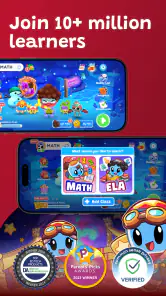
When I judge a learning game for a child, I look beyond whether the activities are colorful: I want to know what the child actually does, whether practice fits naturally into a day, and how much of the experience depends on spending. Boddle is a free educational game from Boddle that puts math practice inside a playful 3D setting and also includes English learning. That combination makes it worth considering for families who want school skills to feel less like another worksheet, though it is best treated as a supplement rather than a replacement for teaching or a structured course.
What the purchase details mean for families
You can start playing without paying, but the game also offers in-app purchases ranging from $0.99 to $48.99 per item. I would keep that distinction clear when introducing it to a child: free to download does not mean every optional purchase is free. Before handing over a device, I’d check the device’s purchase settings and agree on a simple rule, such as asking an adult before buying anything. That prevents an enjoyable learning session from turning into an unexpected spending conversation.
The price range alone does not tell me what each item contains, whether a purchase is recurring, or how much the game can be enjoyed without buying anything. I wouldn’t assume that a particular purchase is necessary for learning or that optional items change a child’s academic progress. If you are considering a purchase, look at the choice presented in the game with your child and decide whether it adds something your family actually wants. The sensible starting point is to try the free experience first and make any spending decision deliberately.
Keeping practice helpful rather than pressuring
Learning games can make repetition easier to accept, but rewards and a game world can also shift a child’s attention toward collecting or progressing. I’d pay attention to what your child talks about after a session: are they explaining a maths idea, or only asking to return for the next reward? That small distinction can help you decide whether the game is supporting learning in your household or functioning mainly as entertainment.
A useful routine is to set a short, predictable practice window and end with one question about the activity: “What did you work out?” This gives a parent a quick sense of whether the child understood the task without turning play into a test. It also helps avoid using the game as a promise of unlimited screen time. For a child who gets frustrated by mistakes, sit nearby at first and treat wrong answers as a cue to pause or talk through the idea, rather than as a reason to keep pushing.
Fairness, competition, and what to check
I would not choose a learning game for its competitive appeal unless I knew what the competition involved. The confirmed purchase range tells families that paid items are available, but it does not establish whether purchases affect competition or learning access. I’d avoid making assumptions either way. If your child is comparing progress with siblings or classmates, focus the conversation on personal effort and skills practised, not on who has more game items or appears further ahead.
It is also worth checking the current in-game experience yourself before setting expectations. A child may care more about the play elements than an adult expects, and preferences differ: one learner may enjoy a game-based prompt, while another would rather work through a quiet, clearly sequenced lesson. If fairness between children matters in your home, agree on shared rules for play and purchases rather than relying on the game to settle those questions.
Gaming Stories You May Enjoy

Dancing Road Turns Short Breaks Into a Test of Rhythm and Timing

Super Stylist Makes Every Outfit a Test of Taste and Patience

Dominoes on Your Terms: Who Should Play and Who Should Pass

Pokémon GO Makes the Familiar World Feel New

Chess.com Turns Rematches Into Rivalries, but Community Has Its Costs

Archery Battle 3D Review: Sharp Aiming, Unclear Feedback
Have you ever stumbled upon an app that makes learning feel like an epic adventure? Well, that's exactly what Boddle aims to do. If you're wondering whether this app might be the right fit for your kid or even for your playful self, let me take you on a little journey through my experience with it.
What is Boddle All About?
Picture this: A magical world where kids can learn math concepts through engaging gameplay. That's the essence of Boddle. It's an educational app designed to make math fun and interactive for children. The app uses adaptive learning technology to tailor the difficulty level to each child’s unique pace. So, whether your kiddo is a math whiz or just getting started, Boddle adjusts to their needs seamlessly.
Gameplay and Features
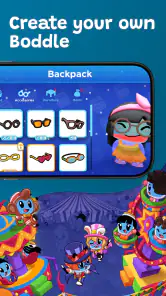
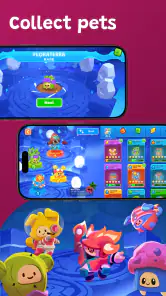
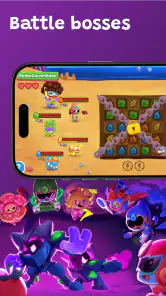
One of the first things I noticed was how vibrant and inviting the game world is. Kids get to create their own avatar, which embarks on a journey filled with quests and challenges. The beauty of Boddle is how it transforms these challenges into learning experiences. As children complete tasks, they're rewarded with items that help them progress in the game, making learning feel rewarding and exciting.
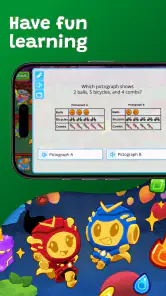
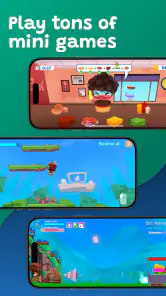
The app boasts a variety of mini-games focusing on different math skills, from basic addition and subtraction to more advanced concepts like fractions and geometry. What's cool is that these games don't just test the kids' knowledge; they encourage them to think critically and solve problems creatively.
User Experience
Let me just say, navigating through Boddle is a breeze. The user interface is intuitive, making it easy for kids to jump right in without needing much guidance. As a parent or teacher, the dashboard provides insightful reports on the child's progress, which is super handy to track improvement or identify areas that might need a bit more focus.
Another noteworthy feature is the app’s accessibility. Boddle is available on both Android and iOS, and it syncs across devices. So, whether your child is using a tablet at home or a phone on the go, their progress is always up to date.
Why Boddle Stands Out
What really sets Boddle apart is its commitment to making education inclusive and enjoyable. The adaptive learning feature ensures that no child feels left behind or unchallenged. Plus, the engaging storyline keeps kids coming back for more, turning potentially mundane math practice into an eagerly anticipated part of their day.
Parents and educators will appreciate the app's focus on learning outcomes, but let's be real—it's the kids' laughter and excitement during gameplay that truly speak volumes. It's not just about hitting educational targets; it's about fostering a genuine love for learning.
Where it fits in a child’s day
I can see this working especially well in the small gaps when a child is willing to practise but a full lesson would be too much: after homework, during a quiet spell at home, or while a parent is nearby preparing dinner. In that situation, the game offers a more inviting entry point than handing over a page of sums. I would still treat it as a planned activity rather than an automatic filler, because the useful part is the thinking the child does, not simply the time spent in the game.
A practical way to use it is to let the child choose when to play from a couple of suitable options, then ask them to describe one challenge afterward. If they can explain their approach, you have a better signal than a reward screen alone. If they cannot, you can revisit the underlying idea together or switch to a concrete example away from the screen. This makes the game a starting point for conversation, not a substitute for noticing how a learner is doing.
Choosing it over worksheets or other learning games
Compared with a worksheet, Boddle’s clear advantage is its playful presentation: a child who resists repetitive written practice may be more willing to begin when the task is wrapped in a character-driven game. Compared with a conventional lesson app, the game framing may feel less formal and more motivating. The trade-off is that families who want a tightly ordered curriculum, explicit explanations before each exercise, or a quiet, distraction-free format may prefer a workbook or a lesson-first learning tool.
I would also separate “enjoys practising” from “has mastered the skill.” A child can be engaged without every concept sticking, so use the progress information as a prompt for your own observation rather than as the sole measure of understanding. Ask them to solve a similar problem aloud or explain a choice in their own words. That quick check can reveal whether the game’s practice is transferring to ordinary schoolwork.
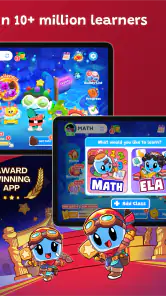
The combination of maths and English gives families a broader reason to try it than a maths-only activity, but it may not suit a child who wants one subject at a time or needs a specific kind of targeted support. If your main goal is direct instruction in a particular topic, a teacher’s materials or a purpose-built practice resource may be a better match. Boddle is most appealing when the goal is to make additional practice feel approachable.
Age, setup, and expectations
The game is rated Everyone, which makes it broadly suitable for a general audience, but I would still introduce it with an adult nearby, especially for a younger child. A quick first session lets you see whether the controls, pace, and learning tasks make sense to them. It also gives you a chance to discuss the in-app purchase options before the child encounters a tempting choice on their own.
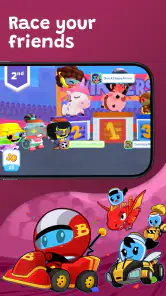
For a family with more than one child, avoid assuming that the same session will fit everyone equally well. Different ages and levels of confidence can make a shared device session uneven. Let each child work at a comfortable pace, and resist turning the game into a contest over who finishes first. The most helpful comparison is with the child’s own earlier understanding, not with a sibling’s progress.
What its track record can and cannot tell you
Boddle has a 4.3 average from around two thousand ratings, with more than eight hundred written reviews, and it has passed half a million installs. Those figures suggest that many families have tried it, but they cannot tell me whether it will suit a particular child, how effective a session will be, or what the current balance between free play and optional purchases feels like. I’d use them as context, not as a promise of results.
The game first appeared on November 14, 2021, and its current version is 1.25.2. It requires Android 9 or later, so it is worth checking the device before planning to use it there. These details are practical rather than educational: a child’s experience still depends on whether the activities match their needs and whether the game’s style keeps them interested.
Who should try it—and who may want another approach
I’d recommend giving it a look if your child likes playful worlds, benefits from short bursts of practice, and needs a gentler bridge between entertainment and school skills. It can also be useful for a parent or teacher who wants a game-based way to encourage practice and then talk about what the child is learning. Keep your expectations modest: it can support a routine, but it should not carry the whole responsibility for teaching maths or English.
I would skip it, or at least try something else first, if your child is easily drawn away from the learning task by game rewards, dislikes screen-based practice, or needs a very specific curriculum sequence. It may also be a poor fit if your household wants an experience with no in-app spending choices at all. In those cases, a workbook, direct help from an adult, or a lesson-focused resource can offer more control and less game distraction.
To wrap it up, if you're on the lookout for an app that brings education and entertainment together in a seamless package, give Boddle a try. It's more than just a game; it's an educational tool that inspires and engages young minds. Who knew math could be this much fun?
My final take
For me, the strongest reason to try Boddle is that it may help a child approach practice with less resistance, while its purchase options and game rewards are reasons to stay involved as a parent. Boddle is free to start, intended for Everyone, and developed by Boddle; the current version is 1.25.2. I would begin with a short, adult-guided session, see whether the child actually engages with the learning, and decide from there. If the game prompts curiosity and useful practice, it earns a place in the routine. If it mainly prompts requests for more screen time or purchases, I’d choose a quieter alternative.
Boddle Pros and Cons
Pros
- Engaging educational content
- User-friendly interface
- Adaptive learning technology
- Rewards-based motivation
- Wide range of topics
Cons
- Requires internet connection
- Limited free content
- In-app purchases
- May not suit all learning styles
- Ads in free version
Frequently Asked Questions
What is Boddle and how does it work?
Boddle is an educational app designed to make learning fun and engaging for children. It uses gamified math lessons to encourage kids to learn through play. By solving math problems, children earn rewards and advance through levels, making education an enjoyable experience. Parents and teachers can also track progress and customize learning goals within the app.
Is Boddle suitable for all age groups?
Boddle is primarily designed for elementary school children, typically ranging from ages 5 to 11. The app focuses on foundational math skills appropriate for this age group. However, it may also be beneficial for older children who need extra practice or reinforcement in basic math concepts. Always check the app's content to ensure it aligns with the child's learning requirements.
Does Boddle require an internet connection to function?
Yes, Boddle requires an internet connection to access its content and features. The app is constantly updated with new challenges and activities, which are delivered online. An internet connection ensures that users have access to the latest educational content and can participate in real-time leaderboards and rewards.
Can parents and teachers monitor progress in Boddle?
Absolutely. Boddle offers robust features for parents and teachers to monitor a child's progress. They can access detailed reports on performance, identify areas that need improvement, and set customized learning goals. This feature allows adults to actively participate in the child's educational journey and provide necessary support and encouragement.
Is Boddle safe for children to use?
Boddle is designed with child safety in mind. The app is free from inappropriate content, and interactions within the app are monitored to ensure a safe learning environment. Additionally, it complies with COPPA regulations to protect children's privacy online. Parents can rest assured that Boddle provides a secure platform for educational activities.


