

Bloons TD 6
- Reviews
- 4.8
- Version
- 45.3
- Installs
- 5,000,000+

Screenshots
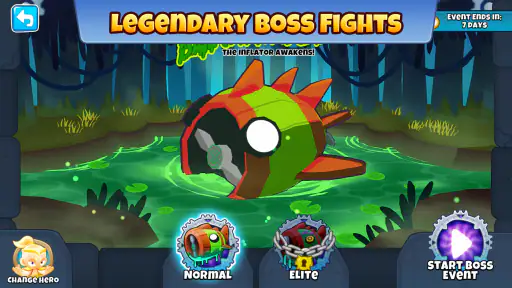
 Analysis by Frivlyz
Bloons TD 6 has been my go-to game for a while now, and let me tell you, it’s a total time-sink in the best way possible! If you’re into strategic gameplay and adorable graphics, this one’s a must-try. Let’s dive into why this game is worth your time.
Gameplay that Keeps You Hooked
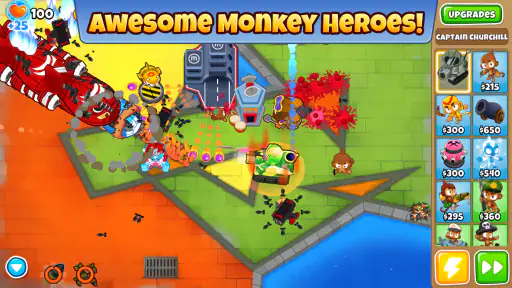
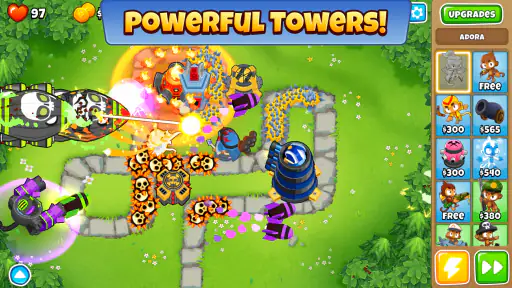
First off, the core of Bloons TD 6 revolves around preventing balloons, or bloons, from reaching the end of a set path by strategically placing towers. Seems simple, right? But as you progress, the game throws in a variety of bloon types with quirky abilities, keeping you on your toes. The strategy element is intense because you have to consider which towers to upgrade and when, adding layers to the gameplay.
Finding a First Plan That Works
The early rounds are a good place to learn how the path and your tower choices interact. I find it useful to start with a clear job for each tower rather than buying upgrades just because they are available: one part of the defense can handle ordinary traffic while another is chosen to cover a weakness I have noticed. That small habit makes losses more informative. Instead of thinking that a map is simply too hard, I can ask whether I spent too early, left a gap, or relied too heavily on one approach.
That makes the game welcoming to curious beginners, but not entirely effortless. You can begin by watching what passes your defenses, then adjust the next attempt with a specific goal in mind. If you are new to tower defense, that loop is easier to understand than a game that asks you to manage several unrelated systems at once. Still, anyone hoping to place towers without paying attention may find the later decisions less forgiving.
Graphics and Design
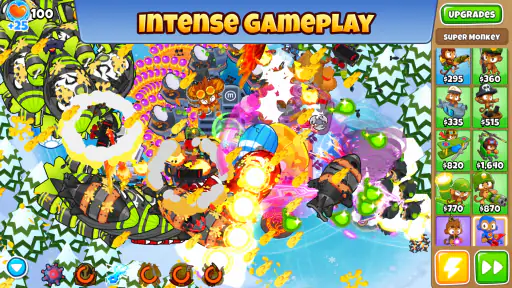
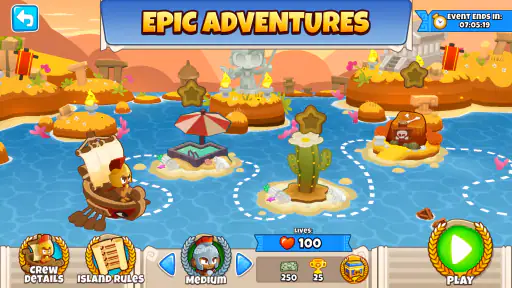
One of the first things you’ll notice is the vibrant and colorful graphics. The developers have done a fantastic job in making the game visually appealing without overwhelming your senses. Each level comes with its own unique design, and the animations are smooth, making the popping of bloons oddly satisfying. It’s just fun to watch!
The clear visual style also helps when a round gets busy: the action remains playful rather than grim, and the paths give your defenses a readable shape. That said, watching the screen is part of the work. If you prefer a strategy game that can run almost unattended while you focus elsewhere, this is not always a comfortable fit. I get more from it when I can give the round my attention and notice which threat is putting pressure on the setup.
Customization and Upgrades
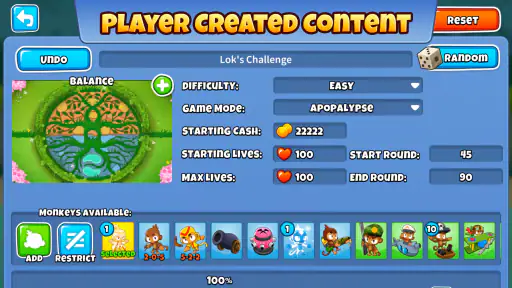
What sets Bloons TD 6 apart is the depth of customization available. Each tower can be upgraded in different paths, allowing you to tailor your defenses to your play style. Plus, the game frequently updates with new content, so there’s always something fresh to explore.
Gaming Stories You May Enjoy

Dancing Road Turns Short Breaks Into a Test of Rhythm and Timing

Super Stylist Makes Every Outfit a Test of Taste and Patience

Dominoes on Your Terms: Who Should Play and Who Should Pass

Pokémon GO Makes the Familiar World Feel New

Chess.com Turns Rematches Into Rivalries, but Community Has Its Costs

Archery Battle 3D Review: Sharp Aiming, Unclear Feedback
A useful way to approach those choices is to treat an upgrade as a response to a problem, not just a bigger number on the screen. If a defense is struggling with a particular kind of bloon, think about whether changing its role or adding support elsewhere would solve the issue more efficiently. This encourages experimentation without requiring every run to become a perfect plan. I also try not to spend all my resources on one favorite tower: a strong specialist can still leave a route exposed if the rest of the defense cannot cover its blind spots.
The freedom is a strength, but it can also make the first sessions feel busy. There are several ways to shape a defense, and the best choice depends on the path, the incoming pressure, and what you have already placed. Rather than searching for one universal setup, I recommend making one deliberate change between attempts. That gives you a clearer sense of what helped, and makes progress feel earned instead of accidental.
Moreover, the hero system adds another layer of strategy. You can choose from a variety of heroes, each with unique abilities that can turn the tide of a game if used wisely. This feature makes each round feel unique and exciting.
For a more considered run, I like to think about where a hero will contribute over time, not only where it can make an immediate difference. A placement that supports the shape of the defense can be more useful than reacting to the first difficult moment. This is one of the game’s satisfying trade-offs: the right decision is often about preparing for later rounds, even when an easier short-term purchase is tempting.
Multiplayer Mode
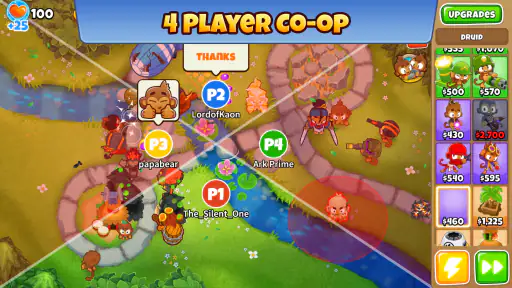
If you’re someone who enjoys gaming with friends, the co-op mode is a brilliant addition. It allows you to team up and tackle the bloon menace together. This mode requires you to coordinate strategies, which adds a social element to the game and can lead to some hilarious moments!
Co-op is especially appealing when you want to compare approaches rather than simply beat a map alone. Before starting, it helps to agree on who is covering which part of the defense; otherwise, friends can spend resources on similar roles while another need goes unmet. That conversation is part of the fun for a group that enjoys planning together. If you want a fully solitary experience, though, the solo game is substantial enough that you do not need multiplayer to make the strategy worthwhile.
How the Challenge Builds
Even if you prefer solo play, the game offers plenty of challenges. The difficulty levels are well-balanced, ensuring that both newbies and veterans find it engaging. The higher levels are particularly challenging, requiring meticulous planning and execution.
The difficulty feels best when I treat a failed attempt as feedback. A sudden leak can point to a weak spot in the defense, while a round that leaves too little money for the next threat may reveal that my earlier spending was poorly timed. This is more interesting than simply repeating the same plan and hoping for luck. The game rewards adjusting your priorities, though players who dislike learning through trial and error may find tougher stages frustrating.
For everyday play, it suits a deliberate break better than a tiny spare moment. I might start a run while relaxing at home, with enough time to make decisions and see a plan develop. If I only have a brief pause, I would rather choose a stopping point carefully than begin a demanding attempt and feel rushed. That distinction matters: the cheerful presentation makes the game look casual, but its later strategic choices deserve attention.
Where It Fits Among Strategy Games
Compared with simpler tower-defense games that lean on a single row of placements or a short sequence of upgrades, this one gives me more room to shape a defense around the map and the threats I face. That depth is why I return to it, but it also means there is more to learn before every choice feels obvious. Players who want quick, low-pressure rounds may prefer a lighter alternative; players who enjoy revisiting a strategy and improving it have more reason to stay here.
It also differs from broad strategy games built around managing a whole settlement or a long campaign of competing systems. Here, the central pleasure is focused: read the route, build a defense, and refine it as the pressure changes. I find that focus easier to pick up than a sprawling management game, while still offering enough decisions to keep a familiar map from feeling solved immediately.
Who Should Make Room for It?
I would recommend it to people who enjoy planning, tinkering, and seeing a clear result from a small adjustment. It works well for a player who likes to test different tower combinations, share a coordinated session with friends, or set a personal goal to get further with a smarter layout. It is also a good fit if colorful, lighthearted presentation matters to you but you still want decisions with consequences.
I would hesitate to recommend it to someone who wants a free-to-start game above all else, since the game costs $6.99 and also offers optional in-app purchases priced from $0.99 to $49.99 per item. The initial purchase is the main commitment to consider; optional purchases are a separate spending choice, so I would decide in advance whether I am comfortable with them. The Everyone age rating makes its tone broadly accessible, but it does not mean every difficulty setting will feel easy for every player.
There is also a practical question about attention: can you enjoy a game that asks you to stay engaged as a round develops? If you want something passive, or if repeated attempts at a tricky strategy tend to annoy you, this may not be the right pick. If you like solving a puzzle in stages, however, its setbacks can be useful clues rather than a reason to quit.
What Progress Feels Like Over Time
The appeal is not just reaching a later round once. I enjoy noticing that a choice that used to seem confusing now has a clear purpose, or that I can explain why one arrangement is safer than another. That kind of progress is personal and practical: I understand the game better, rather than simply having watched more of it. It keeps the learning loop satisfying without making every session depend on a dramatic new feature.
There is a trade-off in that steady learning can make the game feel demanding when I want a guaranteed win. Some sessions are for experimenting, and that means accepting that a plan might fail before I learn what to change. When I want a calmer experience, I choose a familiar approach instead of testing several new ideas at once. Keeping those goals separate makes the challenge more enjoyable and gives each attempt a clearer purpose.
For a casual routine, I would use it in two different ways: a short, familiar run when I want a comfortable strategy break, or a longer session when I am ready to work through a difficult setup. I would not treat it as a game that must be played every day to make sense. It is easy to return to the basic question of how to defend a path, even if I have not played recently, while the layered choices leave room to sharpen my understanding over time.
Practical Details Before You Start
On mobile, touch controls suit the basic rhythm of selecting and placing defenses, though a crowded round still asks for careful attention to the screen. If you often play with interruptions, it is worth choosing a less ambitious attempt rather than starting a run that depends on close observation. That is not a flaw unique to this game, but it matters here because timing and resource choices can shape how well a defense holds up.
Bloons TD 6 is a strategy game from ninja kiwi, released on June 13, 2018. Its current version is 45.3, and it requires Android 7.0 or later. It has more than 5 million installs, an average rating of 4.8 from around 377,000 ratings, and around 64,000 written reviews. Those figures suggest a large, active audience, but they do not guarantee that its pacing will suit you; the best test is whether you enjoy adjusting a plan when a round exposes a weakness.
Final Thoughts
In conclusion, Bloons TD 6 is more than just a tower defense game; it’s a blend of strategy, fun, and endless possibilities. Whether you’re playing for a few minutes or a few hours, it’s bound to entertain and challenge you. So, if you haven’t tried it yet, I highly recommend giving it a shot. You might just find yourself hooked like I did!
My recommendation comes with one qualification: go in expecting to think, not just watch. The charm and clear presentation make it inviting, but the lasting satisfaction comes from making better choices after a plan falls short. At $6.99, I think it makes sense for someone who wants a substantial strategy game and is comfortable with optional purchases being available. If that sounds like your kind of mobile game, I’d be happy to recommend giving it a place in your library.
Bloons TD 6 Pros and Cons
Pros
- Engaging tower defense gameplay.
- Variety of maps and challenges.
- Regular updates with new content.
- Multiplayer co-op mode.
- Customizable monkey towers.
Cons
- In-app purchases can be pricey.
- Some levels feel repetitive.
- Requires constant internet connection.
- Can be complex for beginners.
- Occasional performance issues.
This Game in Other Languages
Frequently Asked Questions
What is Bloons TD 6?
Bloons TD 6 is a popular tower defense game where players strategically place monkey towers to pop waves of incoming balloons (Bloons). It offers vibrant graphics, a variety of towers with unique abilities, and challenging levels. Developed by Ninja Kiwi, it’s available on both Android and iOS platforms, providing an engaging and addictive gaming experience.
What are the main features of Bloons TD 6?
Bloons TD 6 features 3D graphics, over 20 different monkey towers, each with their own abilities and upgrades, and a variety of game modes. Players can enjoy co-op mode, play in single-player mode, and tackle numerous challenges. The game also offers regular updates, ensuring fresh content and features to keep players engaged.
Is Bloons TD 6 free to play?
Bloons TD 6 is not a free-to-play game; it requires a one-time purchase to download and play. However, it offers a lot of content with this purchase, including numerous levels, towers, and upgrades. Occasionally, in-game purchases are available for cosmetic items or to advance progression, but they are not necessary to enjoy the game fully.
What platforms support Bloons TD 6?
Bloons TD 6 is supported on both Android and iOS devices, making it accessible to a wide range of mobile users. Additionally, the game is also available on PC through platforms like Steam, allowing for a more expansive gameplay experience. Compatibility across multiple platforms means players can enjoy the game on their preferred device.
Can I play Bloons TD 6 offline?
Yes, Bloons TD 6 can be played offline, which is perfect for players who wish to enjoy the game without an internet connection. This feature makes it convenient to play on the go, as you don’t need to rely on Wi-Fi or mobile data. However, some features, like co-op mode and cloud saving, require an internet connection.


