

Blood Oath: Three Kingdoms
- Reviews
- 4.3
- Version
- 1.0.5
- Installs
- 10,000+

Screenshots
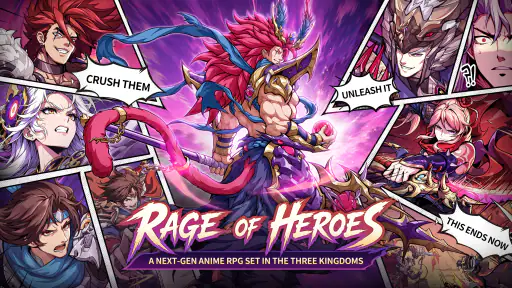
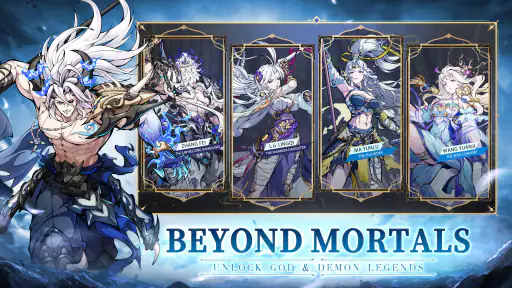

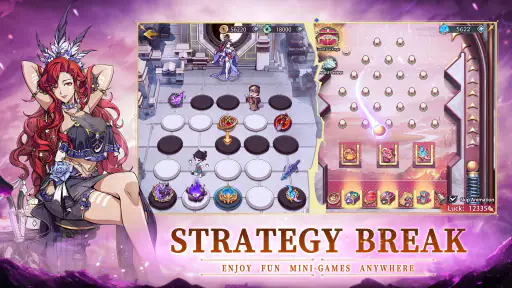


 Analysis by Frivlyz
I approached Blood Oath: Three Kingdoms expecting a card game with a historical-fantasy flavor, and my main takeaway is fairly clear: it is most appealing when you want a compact strategy experience built around legends, choices, and repeated tactical decisions rather than a relaxed game of chance. The setting gives it an immediate identity, while the card format makes it easier to pick up for a short session than a larger strategy title.
That does not mean it will suit everyone. I found the experience more attractive for players who enjoy learning a game’s rhythm and refining their decisions over time than for anyone looking for a purely casual pastime. Its Teen rating also suggests that it is aimed at an older audience than a family card game, so I would not treat it as a universal recommendation for younger players.
What makes the Three Kingdoms theme work
The strongest part of the concept is the way the Three Kingdoms setting gives the cards a sense of purpose. A standard card game can quickly feel like a collection of disconnected effects, but a world built around rival legends creates a natural reason to care about the characters and the choices they represent. Even before mastering the finer points, I found that the theme made each match easier to remember.
The short store description, “Blood Oath,” points toward a dramatic tone rather than a cheerful or purely abstract presentation. That distinction matters. This is not the type of card game I would choose when I want something soft, simple, and immediately understandable for everyone in the room. I would choose it when I want the cards to feel connected to a larger conflict and when the atmosphere is part of the reason to keep playing.
In practical terms, the theme also helps with learning. When a card or decision is associated with a recognizable legend, I have an easier time remembering its role than I do with anonymous symbols and unexplained numbers. That is a small design advantage, but it becomes important during early sessions, when stopping to check every detail can interrupt the flow.
A better fit for focused sessions
I would not describe this as a game that works best when played absent-mindedly while doing something else. Card strategy depends on noticing what has already happened, recognizing which options remain useful, and resisting the temptation to spend a strong move too early. The Three Kingdoms framing encourages that attention because it makes the match feel like a contest between opposing plans rather than a sequence of random draws.
My most useful approach was to treat early games as practice rather than tests of skill. Instead of trying to win immediately, I paid attention to which decisions created pressure, which ones only looked powerful, and how quickly a promising line could lose its value. That mindset makes the game less frustrating and gives the setting time to become meaningful instead of decorative.
Gaming Stories You May Enjoy

Dancing Road Turns Short Breaks Into a Test of Rhythm and Timing

Super Stylist Makes Every Outfit a Test of Taste and Patience

Dominoes on Your Terms: Who Should Play and Who Should Pass

Pokémon GO Makes the Familiar World Feel New

Chess.com Turns Rematches Into Rivalries, but Community Has Its Costs

Archery Battle 3D Review: Sharp Aiming, Unclear Feedback
There is also a social advantage to this format. If I were introducing it to a friend who already likes mobile card games, I would use a short session to compare decision-making styles. One player may prefer a patient approach, while another may push for an early advantage. That contrast gives the game more replay value than a title where every round follows the same obvious script.
Where the gameplay earns attention
The most convincing strength is the combination of accessibility and room for judgment. Card games are easy to understand at a basic level because the rules are presented through individual cards, but a good one keeps asking whether the current move is truly the best use of an opportunity. Blood Oath: Three Kingdoms benefits from that tension. I could make progress quickly, yet I still had reasons to reconsider familiar choices.
That balance is particularly useful on a phone. A large strategy game can demand long uninterrupted sessions, while a card game can be opened during a break and still provide a satisfying decision-making loop. I would use this title during a commute or while waiting for an appointment, provided I had enough attention to follow the match. It is not ideal for a moment when I expect to be interrupted every few seconds, because strategic card play loses its appeal when choices are made hurriedly.
One practical tip is to avoid judging a card by its immediate impact alone. In a themed strategy game, the strongest-looking action is not always the one that gives the best position later. I found it more helpful to ask what the move leaves available for the next exchange. That habit is especially valuable for new players because it turns a confusing collection of cards into a series of manageable questions: what am I protecting, what am I giving up, and what response am I inviting?
Another useful habit is to separate experimentation from routine play. During an early session, I would deliberately test an unfamiliar option even if it seemed less efficient. That can reveal how the game expects its cards to interact and prevents a narrow strategy from becoming a crutch. Once I understood the general rhythm, I could return to more reliable choices with a clearer sense of why they worked.
The learning curve is part of the appeal
The game is not at its best if I expect every card to explain itself instantly. The historical cast and dramatic presentation may attract a first download, but staying power depends on learning how the pieces fit together. That creates a modest barrier at the beginning. Players who dislike reading, testing, and remembering interactions may feel that the theme promises more immediate excitement than the early sessions deliver.
For me, the learning process was worthwhile because it gave each later match more texture. I began noticing patterns rather than simply reacting to whatever appeared in front of me. A card that seemed weak in isolation could become useful when saved for the right moment, while an impressive move could become a liability if used without considering the opponent’s likely response.
This is also where the game compares favorably with very lightweight card alternatives. A simple matching or solitaire-style app can be more relaxing and requires less commitment, but it usually offers less room for personal decision-making. Blood Oath: Three Kingdoms asks more from the player, and in return it can feel more rewarding when a win comes from a plan rather than luck alone.
The meaningful limitations to consider
The same strategic focus that gives the game character can also narrow its audience. If I wanted a quick distraction with almost no mental overhead, I would choose a simpler card app instead. Blood Oath: Three Kingdoms is better when I am willing to concentrate, and that means its value depends heavily on my mood and available time.
The thematic presentation may also create expectations that the card systems cannot fully satisfy for every player. Someone looking for a deep historical simulation, a large role-playing adventure, or a complex battlefield strategy game may find this format too contained. The Three Kingdoms identity is useful as flavor and structure, but a card game remains a card game; it does not replace the scale or freedom of a full strategy title.
I would also approach the free entry point with some discipline. The game can be downloaded without an upfront purchase, but optional in-app purchases range from $0.99 to $99.99 per item. That is a very broad spending range, so I would decide in advance whether I want to play entirely for free or set a strict limit. The smartest way to evaluate the game is to spend time learning its basic appeal before considering any optional purchase.
That recommendation is not a criticism of the core idea; it is simply good practice for any free card game with paid items. A player who enjoys collecting or accelerating progress may be tempted to spend before knowing whether the long-term loop is a good match. I would wait until the game has earned that confidence through play rather than treating a purchase as a shortcut to understanding it.
Who should skip it
I would skip this one if my priority were a completely passive game, a family-friendly card experience, or a large open-ended Three Kingdoms adventure. I would also look elsewhere if I disliked replaying matches to improve my decisions. The game’s appeal comes from returning to familiar situations with better judgment, so players who need constant novelty may find that repetition more noticeable.
It may be a poor fit for someone who wants a traditional card game with rules that can be explained in a minute and forgotten afterward. The dramatic theme and strategic framing suggest a more involved experience. That is a strength for the right person, but it adds friction for anyone who only wants a few effortless rounds.
Who will get the most from it
My clearest recommendation goes to mobile players who enjoy card strategy and have at least some interest in legendary rivalries or historical fantasy. You do not need to be an expert on the Three Kingdoms period to appreciate the setting, but curiosity about the characters makes the presentation more engaging. The game is also a reasonable choice for someone moving from simple card apps toward more deliberate tactical play.
It works especially well for players who like improving through small discoveries. You may enjoy it if you often replay a match after realizing that one decision could have been handled differently. That kind of self-correction is where the game has its strongest long-term potential. It is less about finding one clever trick and more about gradually becoming better at reading situations.
The current release is version 1.0.5, and the game supports devices running Android 7.0 or later. That makes it accessible to people using older compatible Android phones, although the actual comfort of play will still depend on the device’s screen and performance. I would check that my phone meets the requirement before planning to make it a regular game, especially if I rely on an older handset.
Its early reception is encouraging without making the title impossible to question: it holds a 4.3 average from around 2.1 thousand ratings, with more than 10 thousand installs. I read those figures as evidence that the concept has found an interested audience, not as proof that every player will enjoy it. The smaller scale also makes me approach it as a developing card game rather than an established genre standard.
A realistic everyday scenario
Imagine having fifteen quiet minutes before a class or appointment. I would open the game, play one focused match, and use the result to identify one decision I could improve next time. That is a better use case than launching it during a chaotic break when notifications and interruptions are guaranteed. The game rewards a little attention, and even a short session can feel purposeful when I treat it as practice instead of simply chasing a win.
For a friend who already enjoys competitive card games, I would recommend comparing notes after several sessions rather than judging it from one match. Ask which cards or choices felt most reliable, which moves created unexpected problems, and whether the Three Kingdoms theme added genuine interest. Those questions reveal more than a first victory because they show whether the game is creating a reason to return.
My final verdict on Blood Oath: Three Kingdoms
Blood Oath: Three Kingdoms is a promising choice for players who want a themed mobile card game with meaningful decisions, but it is not a universal casual recommendation. I like the way the Three Kingdoms identity gives the cards a memorable context, and I appreciate that the format can fit into shorter sessions without removing the need to think. The best moments come when I stop chasing immediate effects and start planning around what a move makes possible later.
The limitations are just as important. It asks for more attention than a basic card pastime, its dramatic setting will not satisfy people seeking a full-scale historical strategy game, and the wide range of optional purchases means I would play cautiously before spending. Those are manageable concerns, but they should shape expectations from the start.
Because it is free to try and aimed at Teen players, I think the sensible route is to install it, learn the card rhythm, and decide whether the strategic loop feels rewarding before paying for anything. If you enjoy gradual mastery, legendary rivalries, and mobile matches that reward careful choices, I would recommend giving it a fair trial. If you want instant simplicity or a broad adventure outside the card table, a lighter card game or a larger strategy title will probably serve you better.
My verdict is positive but measured: the game has a distinct identity and enough tactical promise to stand apart from anonymous card apps, while its learning curve and spending structure make it best suited to deliberate players. For the right audience, that focus is exactly what makes it worth returning to.
Blood Oath: Three Kingdoms Pros and Cons
Pros
- Strategic battles reward careful positioning and timing.
- Large roster of heroes offers plenty of team-building options.
- Story chapters provide a clear sense of progression.
- Guild features add useful social and cooperative activities.
- Regular events can provide extra rewards and limited characters.
Cons
- Progress can feel slow without spending premium currency.
- Many upgrade systems may overwhelm new players at first.
- Duplicate heroes and materials can take time to collect.
- Combat becomes repetitive during extended farming sessions.
- Some features require a stable internet connection to access.
This Game in Other Languages
Frequently Asked Questions
What is Blood Oath: Three Kingdoms?
Blood Oath: Three Kingdoms is a mobile strategy role-playing game inspired by the legendary Three Kingdoms era. Players collect famous generals, build and upgrade a kingdom, form teams, and fight through campaign stages, events, and competitive modes. Its main appeal is combining character progression, tactical formations, resource management, and an ongoing story based on historical heroes and rival factions.
Is Blood Oath: Three Kingdoms free to download and play?
The game can generally be downloaded and played for free, but it may include optional in-app purchases. These purchases can provide premium currency, summoning opportunities, upgrade materials, or limited-time bundles. You can progress without spending money, although free players may need more patience when improving their roster. Before downloading, check the current store listing for supported devices, pricing, age rating, and purchase information.
Does Blood Oath: Three Kingdoms require an internet connection?
An internet connection is normally required because the game relies on online accounts, cloud-based progression, live events, rewards, and competitive features. Even if some story activities appear playable without a connection, access may be limited when the servers cannot be reached. A stable Wi-Fi or mobile-data connection is recommended, especially during updates, account synchronization, battles, and time-limited events.
Is Blood Oath: Three Kingdoms suitable for beginners?
The game is reasonably accessible for newcomers because early missions usually introduce the main systems gradually, including recruiting generals, upgrading skills, arranging formations, and completing quests. However, the number of currencies, menus, events, and progression options can become confusing later. New players should focus on a small core team, avoid spending resources impulsively, and read skill descriptions before committing to upgrades.
What should I know about gameplay, ads, and device performance before downloading?
Blood Oath: Three Kingdoms is designed around repeated battles, character development, daily objectives, and event participation, so it suits players who enjoy long-term progression rather than a short one-time campaign. Depending on the version, you may encounter promotional offers or optional advertisements. Performance can vary by device, particularly during large effects or busy menus, so keep storage available and install updates from the official app store.


