

Bingo Craft - Bingo Games
- Reviews
- 4.7
- Version
- 7.74
- Installs
- 1,000,000+

Screenshots

 Analysis by Frivlyz
I found Bingo Craft to be a cheerful board game built around short bingo sessions, themed progression, rewards, and power-ups. It is the kind of game I can open when I have a few quiet minutes, play a round without preparing anything, and put down again without feeling that I have abandoned a long campaign. That simple rhythm is its main appeal, but it also means the experience depends heavily on whether you enjoy repeated chance-based play.
Forest Hill Games has positioned it as a free game for a teen audience, and it has grown into a well-established choice in the mobile bingo space. The store presence shows a 4.7 average from around eleven thousand ratings, with more than a million installs. Those figures suggest that the basic format is easy for many players to understand, although popularity alone does not make it suitable for everyone.
How Bingo Craft feels to use in everyday play
I find Bingo Craft easiest to judge when I focus on its themed progression: it gives familiar bingo rounds a destination, so a quick session can feel like part of a larger journey rather than a string of disconnected cards. That structure is most useful when I want a small, self-contained goal during a break. The next question is how that sense of progress shapes the choices I make while playing.
Readable progression and straightforward navigation
The clearest part of the experience is its central loop: play bingo, move through attractive themes, and use the rewards or power-ups that become available along the way. I appreciate that the game gives the session a sense of direction instead of presenting a completely isolated card every time. Even when the individual round is familiar, the themed journey gives me a reason to continue.
That structure is particularly helpful for players who prefer visible goals. Rather than needing to invent a personal challenge, I can simply focus on the next stage and see how a successful session contributes to progress. The design is easier to follow than a bingo app that throws several unrelated modes, currencies, and menus at me immediately.
Navigation in a game like this matters more than it may seem. Bingo requires me to watch the called numbers while checking my card, so unnecessary menu hunting would interrupt the main activity. In my experience, the strongest approach is to treat the home screen as a launch point, enter a round quickly, and avoid spending too much time browsing between sessions.
The visual themes also serve a practical purpose beyond decoration. They help separate one part of the journey from another, which can make progress feel more memorable. The trade-off is that decorative presentation can compete with information. Players who need very plain screens may find a themed board less comfortable than a traditional bingo interface with minimal visual treatment.
Gaming Stories You May Enjoy

Dancing Road Turns Short Breaks Into a Test of Rhythm and Timing

Super Stylist Makes Every Outfit a Test of Taste and Patience

Dominoes on Your Terms: Who Should Play and Who Should Pass

Pokémon GO Makes the Familiar World Feel New

Chess.com Turns Rematches Into Rivalries, but Community Has Its Costs

Archery Battle 3D Review: Sharp Aiming, Unclear Feedback
I would not describe the game as a replacement for a quiet, paper-based bingo card. On paper, I control the layout, lighting, and pace completely. Here, the app determines the presentation and adds game-like rewards around the activity. That makes it more engaging for me when I want a light pastime, but less appropriate when I want the calmest possible visual environment.
What the power-ups add to the familiar format
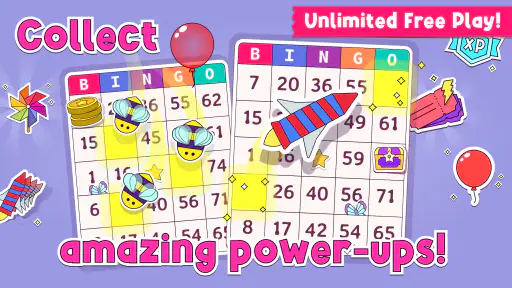
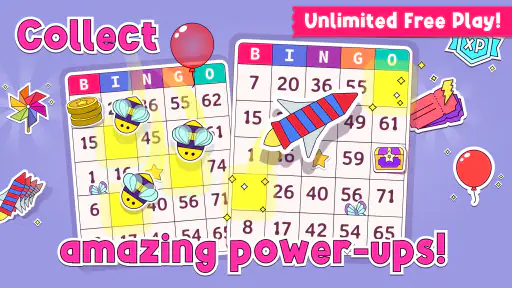
The power-ups are important because they give the game a layer beyond simply waiting for numbers. Used thoughtfully, they can make a difficult moment feel manageable and give me a reason to pay attention to the wider progression rather than treating every round as interchangeable.
My practical advice is not to use every helpful item as soon as it appears. Saving a power-up for a round where I am close to a useful result can make it feel meaningful, while spending it immediately can turn the feature into background decoration. This is one of the small decisions that makes the game more interesting than a purely passive bingo simulator.
There is also a useful distinction between playing for relaxation and playing for efficiency. If I am opening the game during a break, I would rather make simple choices and enjoy the theme. If I am trying to advance more deliberately, I pay closer attention to how rewards and power-ups fit the current round. The app accommodates both attitudes, although it does not transform bingo into a strategy game in the deeper board-game sense.
Players who want complete control over outcomes should keep their expectations realistic. Bingo is still built around chance, so a good decision cannot guarantee a win. The power-up layer can make the process more active, but it does not remove the uncertainty that defines the genre.
Readability for different visual preferences
For me, the most important accessibility question is whether I can distinguish the card, the called information, and the progress cues without feeling rushed. Bingo naturally asks the eyes to move between areas of the screen. If the numbers, symbols, or decorative elements are too similar, a player can miss a call even while paying close attention.
I recommend trying a short session in the same conditions where you normally play. A screen that feels clear indoors may be less comfortable in bright light, and a colorful theme that looks attractive at first glance may become tiring during a longer run. This is a better test than judging the game only from its store images.
The Teen content rating also gives families a broad indication of the intended audience, but it should not be confused with a guarantee that every player will find the presentation comfortable. Age suitability and visual accessibility are different questions. A teenager, an older adult, or someone with reduced contrast sensitivity may each respond differently to the same themed board.
I also find that short sessions are useful for checking whether the game’s information hierarchy works for you. If you can follow the calls, identify the relevant card spaces, and understand the reward feedback without repeatedly stopping, the design is probably a good personal fit. If you have to constantly reconstruct what happened, the attractive presentation is not compensating for the effort.
Motor effort, attention, and sensory load
Bingo does not usually demand complex controls, which is one of its strengths for players who prefer a low-movement game. The main physical task is tapping the appropriate areas at the right moment. That can be easier than games based on rapid swipes, virtual joysticks, or repeated multi-finger gestures.
However, low motor complexity does not mean zero motor demand. A player with limited precision may find small card spaces difficult, especially when several taps are needed in a short period. Someone who experiences hand fatigue may also prefer brief rounds rather than extended play. I would approach it as a light-touch game, not automatically as an accessible game for every mobility need.
Attention is another consideration. The player has to monitor calls, card progress, and feedback from the game. In a quiet room, that can feel pleasantly absorbing. In a noisy waiting area, while commuting, or when interrupted frequently, it becomes easier to miss information. The app works best when I can give it at least a little uninterrupted attention.
The themed presentation may be enjoyable for players who like color and visual variety, but it can add sensory intensity for people who prefer restrained interfaces. If animated feedback, bright artwork, or frequent reward cues make you tired, the game may be better in short bursts. I would not choose it as my first option for a deliberately minimal sensory experience.
One useful habit is to separate the game from other tasks. I would not play while carrying on an important conversation or trying to follow a video, because the bingo board already uses enough attention. Treating it as a single activity reduces mistakes and makes the experience feel less frantic.
Where it fits: breaks, shared spaces, and different routines
The most realistic use case for me is a short break at home. I can play a session after finishing a task, enjoy the progression, and stop before the game becomes repetitive. It also suits a player who likes casual board games but does not want to arrange a group, collect physical pieces, or learn a complicated ruleset.
It can work in a shared household too, especially when different people want separate turns rather than a competitive game on one screen. The familiar bingo concept lowers the learning barrier, while the themed journey gives regular players something to return to. I would still avoid assuming that every family member will enjoy the same pace or visual style.
For travel or public spaces, the main question is concentration. A bingo app can be a pleasant way to fill waiting time, but it is not ideal when I need to remain alert to announcements, directions, or my surroundings. Someone who is easily distracted should use it only when the environment allows focused screen time.
The free entry point is helpful for trying the game without committing money upfront. At the same time, in-app purchases range from under a dollar to amounts approaching a hundred dollars per item. That wide range makes it important to decide in advance whether you are treating the game as a free pastime or as a purchase-supported hobby. I would be especially careful with spending controls on a shared device.
My own approach would be to play normally first and learn whether the basic loop is enjoyable before considering any purchase. If the game is only fun when I am accelerating progress with paid items, that tells me the underlying format is not a strong enough match. A free download is an invitation to test the experience, not a promise that every later convenience will remain free.
How it compares with traditional bingo and other board games
Compared with physical bingo, this version is more convenient and more structured. I do not need a caller, printed cards, markers, or a group of players. The themed progression and power-ups also provide more ongoing motivation than a single paper round. For solo play, that is a meaningful advantage.
Traditional bingo is better when the social atmosphere is the point. The shared anticipation, conversation, and human caller are difficult for a phone game to reproduce. If I want a communal activity for a family gathering or club, I would choose physical bingo or a multiplayer option instead.
Compared with other casual board games, Bingo Craft is easier to learn but offers less control than games based on planning, drafting, or tactical movement. It is a good fit when I want a familiar rule set and a little progression. It is not the right substitute for a player looking for deep decision-making, deterministic outcomes, or a campaign where skill consistently outweighs luck.
That comparison also explains why the game can feel relaxing to one person and repetitive to another. The same simplicity that makes it approachable limits the variety of decisions. I would recommend it to someone who enjoys the rhythm of bingo itself, not to someone hoping that the app will turn bingo into a complex strategy experience.
Barriers that deserve attention before installing
The first barrier is repetition. The themed journey changes the sense of place, but the core action remains bingo. If repeated rounds normally lose their appeal quickly, the rewards may not be enough to keep the experience fresh.
The second is the relationship between chance and progress. A player who dislikes losing because of random outcomes may become frustrated, particularly when a power-up does not produce the hoped-for result. The game’s progression can encourage another attempt, but that can feel motivating or pressuring depending on the player.
The third is purchase temptation. The range of optional item prices means families and anyone managing a tight budget should set clear boundaries. I would review device purchase settings before handing the game to a child or letting someone else use the account. The Teen rating is relevant to audience suitability, but it does not remove the need for sensible spending supervision.
There is also a compatibility consideration: the current version is 7.74 and requires Android 8.0 or later. That makes the game accessible to many modern Android users, but anyone using an older phone should check the operating system before planning around it. A technically incompatible device is a more decisive barrier than a preference about themes or pacing.
Finally, players with specific accessibility needs should judge the live interface rather than relying on the category label. I would look closely at whether the numbers are distinguishable, whether taps can be made accurately, and whether the visual feedback remains comfortable over time. Those personal checks matter because a board game can be simple in rules while still demanding careful visual attention.
Who I would recommend it to
I would suggest it to a casual player who likes bingo, colorful progression, and short solo sessions. It is especially suitable for someone who wants a familiar board-game idea without organizing other players. The free starting point makes it easy to test, and the strong average rating indicates that many people have found the overall experience appealing.
I would also consider it for a player who benefits from clear, modest goals. Moving through themes and deciding when to use power-ups can provide just enough structure to make a spare moment feel purposeful. The game is more satisfying when the player enjoys gradual progress rather than demanding constant novelty.
I would skip it if I wanted a social bingo room, a completely quiet interface, or a board game dominated by deliberate strategy. I would also be cautious if random outcomes are stressful, if bright themed presentation is uncomfortable, or if optional purchases could become a problem. In those situations, paper bingo, a minimalist puzzle, or a more deterministic board game would probably serve better.
My inclusive verdict after using it
Bingo Craft succeeds because it keeps the familiar bingo idea approachable while adding themes, rewards, and power-ups that give solo play a reason to continue. I like it most as a brief, focused pastime rather than an all-day game. Its accessible controls are a positive starting point, but players still need to consider visual clarity, tapping precision, attention, and sensory comfort on their own devices.
Forest Hill Games has made a free board game that is easy to try and broad enough to suit many casual routines. The honest limitation is that its strengths are closely tied to its simplicity: the game is welcoming because it does not ask much to learn, yet that same design may feel repetitive or too luck-driven for experienced board-game fans.
My recommendation is to treat it as a low-pressure bingo companion, not a substitute for every kind of board game. Try several sessions in your usual environment, decide whether the visual presentation works for you, and set a spending limit before exploring optional items. If that rhythm feels comfortable, the themed progression can make ordinary waiting time pleasantly engaging; if it does not, choosing a more social, minimalist, or strategy-focused alternative will be the better decision.
Bingo Craft - Bingo Games Pros and Cons
Pros
- Quick rounds make it easy to play during short breaks.
- Bright visuals and lively effects keep traditional bingo engaging.
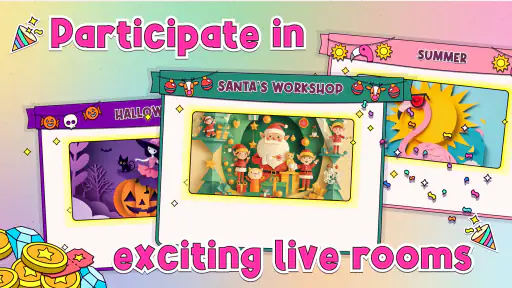
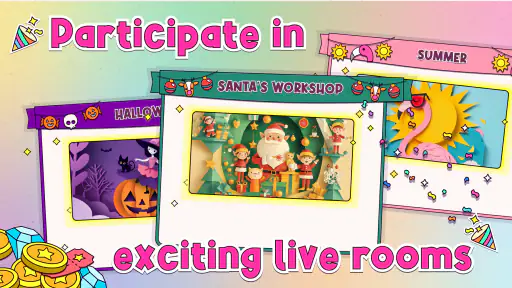
- Multiple rooms offer variety for different play styles.
- Simple controls are suitable for casual and first-time players.
- Progression rewards encourage regular play and continued participation.
Cons
- Frequent events may make the game feel repetitive over time.
- Some rewards and features can depend heavily on random chance.
- Online play requires a stable internet connection.
- Extra bonuses may encourage watching ads between rounds.
- The colorful interface can feel busy on smaller phone screens.
This Game in Other Languages
Frequently Asked Questions
What is Bingo Craft - Bingo Games?
Bingo Craft - Bingo Games is a casual bingo experience built around traditional number-matching gameplay with a colorful, game-like presentation. Players typically complete bingo cards, call numbers, and progress through rounds while working toward rewards or new content. Its appeal comes from combining familiar bingo rules with a more playful mobile format designed for short sessions.
Is Bingo Craft - Bingo Games free to download and play?
The app can generally be downloaded without an upfront purchase, allowing users to try the core bingo gameplay first. However, availability of in-app purchases, optional boosts, extra cards, virtual currency, advertisements, or other paid features may depend on the current version and platform. Check the store listing before downloading, especially if you want to avoid unexpected spending.
Does Bingo Craft - Bingo Games require an internet connection?
An internet connection may be needed for important features such as loading events, synchronizing progress, displaying advertisements, processing rewards, or connecting to online services. Some basic gameplay could work temporarily without a connection, but offline availability is not guaranteed and may vary between versions. For the most reliable experience, play while connected to Wi-Fi or mobile data.
Is Bingo Craft - Bingo Games suitable for children?
Bingo Craft - Bingo Games may be easy for younger players to understand because its main mechanics are simple and based on matching called numbers to a card. Nevertheless, parents should review the app’s age rating, advertising, chat or social features, and any in-app purchases before allowing children to play. Device purchase restrictions are recommended for family accounts.
What should I know about ads and in-app purchases?
Like many free-to-play mobile games, Bingo Craft - Bingo Games may use advertisements and optional purchases to support continued development. These can include extra play opportunities, virtual currency, boosters, cosmetic items, or faster progression. Purchases are not necessarily required to enjoy the game, but players who prefer an uninterrupted or completely free experience should review the available settings and store information first.


