

Bingo Abradoodle: Mobile Bingo
- Reviews
- 4.7
- Version
- 4700
- Installs
- 10,000,000+

Screenshots

 Analysis by Frivlyz
I spent time with Bingo Abradoodle as a light, pick-up-and-play bingo game, and its appeal became clear quickly: it turns a familiar number-calling format into something easy to open for a few minutes without demanding a complicated tutorial. It is a casual game from Abradoodle Games - fun bingo games, available free of charge, with an Everyone content rating. The basic idea is simple, but the way you approach each round makes a difference if you want something more than random tapping.
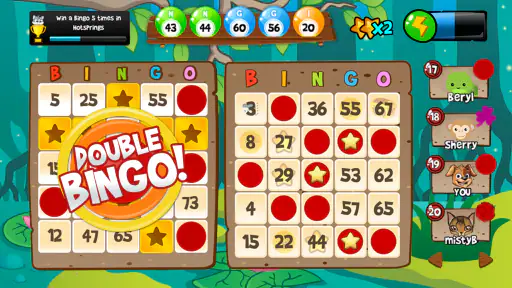
The game has built a substantial audience, with a 4.7 average from around 197 thousand ratings and more than 10 million installs. Those figures suggest that it has found a reliable audience among people who enjoy relaxed bingo sessions on a phone. My own impression is that it works best as a short, repeatable pastime rather than as a deep strategy game. The attraction is the rhythm: listen, identify the called number, mark the matching space, and stay alert for the moment a winning pattern appears.
How a normal session feels from the first call
The baseline workflow is deliberately approachable. I can start a round without learning a large set of controls, and the central task remains recognizable even if I have not played for a while. That makes it suitable for a quiet break, a waiting room, or an evening when I want a game that gives me something to do without requiring full concentration from the first second.
A useful habit is to treat the opening of a round as preparation rather than immediately chasing a win. I first get comfortable with the card layout and caller pace, then settle into a consistent scan from left to right or top to bottom. The exact order matters less than using the same order every time. A repeatable visual route reduces the chance of jumping around the card and overlooking a number that appeared a moment earlier.
This is where the game feels more engaging than a completely passive time-killer. The rules are easy, but attention still matters. If I look away during several calls, I have to recover my place instead of simply waiting for the next obvious moment. That small demand makes a short session feel active without turning it into a stressful reflex challenge.
For a realistic everyday use case, I would recommend it to someone who has ten minutes between errands or wants a gentle game while listening to music. I would not choose it when I need a story, a long-term character build, or a competitive experience that rewards elaborate planning. Bingo Abradoodle stays close to the traditional appeal of bingo: recognition, timing, anticipation, and the satisfaction of completing a pattern.
The free entry point is important here. I can try the core experience without first committing money, which makes it easy to decide whether the caller style and round rhythm suit me. At the same time, the presence of in-app purchases ranging from $0.99 to $99.99 per item means I would approach the optional spending carefully. Anyone who prefers a completely unrestricted free experience should decide on a personal limit before playing rather than making purchases impulsively during a run of exciting rounds.
Gaming Stories You May Enjoy

Dancing Road Turns Short Breaks Into a Test of Rhythm and Timing

Super Stylist Makes Every Outfit a Test of Taste and Patience

Dominoes on Your Terms: Who Should Play and Who Should Pass

Pokémon GO Makes the Familiar World Feel New

Chess.com Turns Rematches Into Rivalries, but Community Has Its Costs

Archery Battle 3D Review: Sharp Aiming, Unclear Feedback
What I check before settling into a round
Sound deserves attention because the caller is central to the experience. I would not begin with the phone muted and assume the game will feel the same. In a quiet room, the spoken calls can support the visual search and make the session more natural. In a noisy place, headphones may help, although I would still keep the card visible rather than relying on audio alone.
I also keep the phone at a comfortable viewing angle. Bingo is not physically demanding, but a cramped screen position makes number recognition tiring, especially during a longer session. Holding the device steadily and using a familiar grip gives me a better chance of marking accurately. This is a small practical adjustment, yet it matters more here than in a game where missed input can simply be retried.
Because the game is rated for Everyone, it is an approachable choice for a broad audience. That does not mean every player will enjoy it equally. Younger players may like the clear objective, while adults looking for a nostalgic, low-pressure activity may appreciate the familiar format. People who need constant novelty could find the repeated call-and-mark loop too narrow.
Settings and habits worth checking
I recommend opening the available settings before playing seriously, especially for sound and notification behavior. I do not treat settings as decoration: a caller that is too loud, too quiet, or poorly matched to the room can change the whole experience. I adjust the phone’s volume first, then check the game’s own controls if they are available, so I am not trying to compensate for one level with the other.
Another sensible habit is to review any purchase-related prompts before beginning a session. Free casual games often put optional extras close to the main play flow, and a player who is focused on a near-win can tap quickly. I prefer to slow down at those moments and confirm what I am selecting. This is not a criticism of the bingo format itself; it is simply good practice when a game includes individual purchases.
The current version is 4700, and the game requires Android 6.0 or later. For most compatible Android phones, that should make it a practical option to test, but I would still check that the device has enough free space and that the operating system is supported before planning to use it on an older handset. If I were choosing a game for a family member with an aging phone, compatibility would be one of the first things I would verify.
I also avoid changing several phone settings at once. If the screen dims too quickly, the volume is inconsistent, or notifications interrupt the caller, I fix one issue at a time and then play a complete round. That makes it easier to identify whether the problem comes from the phone or from my own setup. Experienced play is often less about secret tricks and more about removing small sources of distraction.
Faster patterns that improve consistency
The most useful technique I found is a two-pass scan. On the first pass, I look for the newest call in the most likely columns or rows. On the second, I quickly sweep the rest of the card before the next call arrives. This is faster and safer than staring at one area until I find a match, because it keeps the entire card active in my attention.
I also separate marking from celebration. When a promising pattern begins to form, it is tempting to pause and inspect it repeatedly. I get better results by marking the current number, completing one quick check of the card, and returning to the caller. The goal is not to ignore a possible win; it is to avoid spending so much time admiring progress that the next call slips past.
Another useful routine is to keep the same hand and finger position throughout a session. Switching grip whenever the game becomes exciting can lead to accidental taps or slower reactions. I use one finger for marking and keep the other hand free to stabilize the phone. This is especially helpful on a smaller screen, where a hurried tap can cover nearby numbers.
When playing several rounds in one sitting, I take a short pause between them instead of rushing immediately into the next card. That pause gives me time to reset my attention and check whether the volume or screen position has become uncomfortable. It may sound minor, but bingo relies on sustained visual focus, and fatigue creates more mistakes than a lack of understanding.
These habits do not turn Bingo Abradoodle into a high-level competitive title. They simply make the existing loop smoother. The game rewards careful observation more than elaborate planning, so the best improvement is usually a cleaner process: listen, scan, mark, verify, and stay ready for the next call.
Where the casual design helps, and where it stops
Compared with a traditional physical bingo session, the mobile version is more convenient. I do not need cards, markers, a caller, or a group of people in the same room. That makes it a good substitute when I want the familiar structure but have no one available to play with. It also offers a more focused experience than many broad casual game collections, because the central activity is immediately clear.
Compared with a social bingo app built around chat, events, or a large community, this game is better suited to someone who wants a straightforward solo routine. The trade-off is that it may feel less lively for players who enjoy conversation, teamwork, or a strong sense of shared competition. If social interaction is the main reason you play bingo, a multiplayer-focused alternative may fit better.
It also differs from puzzle games that let me plan several moves ahead. In a typical match-three or logic title, I can often pause and calculate a sequence. Here, the caller creates a moving stream of information, so the challenge comes from attention and recognition rather than constructing a long plan. That is refreshing when I want low-pressure play, but limiting when I am in the mood for deep control over the outcome.
The main friction is repetition. The familiar format is the reason the game is accessible, but it is also the reason the experience may eventually feel predictable. I would not recommend it to someone who needs frequent rule changes or a strong narrative hook. It is more successful when treated as a dependable small activity than as the only game installed on a phone.
There is also a difference between being free to download and being free from spending pressure. The game’s free price makes trying it easy, but optional purchases can alter how a player approaches repeated sessions. I prefer to enjoy the basic rhythm first and only consider spending if I have already decided that the game belongs in my regular rotation. That approach keeps the decision deliberate rather than emotional.
Who will get the most from it
I think Bingo Abradoodle is a strong match for casual players who want a recognizable game with minimal setup. It is particularly suitable for short breaks, relaxed evening play, and people who enjoy number recognition more than fast action. Its Everyone rating also makes it an approachable choice for households looking for a simple game that does not depend on complex controls.
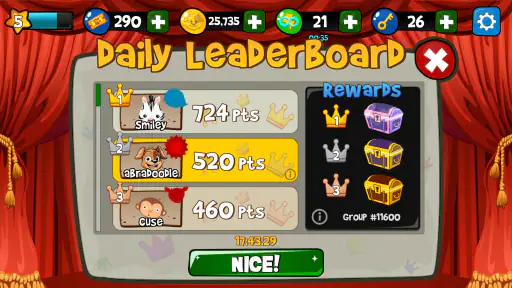
It is less suitable for players who dislike repetition, want a campaign with a clear ending, or expect every session to introduce a new mechanic. I would also point competitive players toward a title with explicit rankings or deeper strategic systems if their main goal is measurable mastery against other people. The bingo loop can be satisfying, but it should not be mistaken for a full strategy framework.
For someone asking whether it is easy to start, my answer is yes. The familiar rules reduce the learning curve, and the useful challenge comes from keeping up with the calls. For someone asking whether it is comfortable for long sessions, I would be more cautious: comfort depends on the device, sound level, and personal tolerance for repeated visual scanning. Shorter sessions are where I found the design most convincing.
If a reader is concerned about age suitability, the Everyone rating makes the intended accessibility clear. If the concern is device support, Android 6.0 is the minimum operating system. If the concern is cost, downloading is free, while optional individual purchases require restraint. Those three points answer most practical questions before installation without obscuring what the game actually feels like.
My verdict after learning its rhythm
After using it with a consistent scan pattern and a more careful approach to sound and purchase prompts, I found Bingo Abradoodle easy to return to. It does not try to disguise bingo as something entirely different, and that honesty works in its favor. The game gives me a compact activity with a clear objective, enough attention to prevent complete passivity, and no need to spend a long time learning systems before enjoying a round.
The developer, Abradoodle Games - fun bingo games, has positioned it firmly in the casual space, and that is exactly how I would frame my recommendation. Its large install base and strong average rating show that many players have found the format dependable, but popularity does not remove the need to match the game to the right person. I would suggest it to a friend who wants simple solo bingo on Android, while warning a strategy enthusiast or social-game fan that the experience may feel too contained.
My best advice is to begin with the free experience, set up the sound and viewing position, and establish a repeatable scan before considering any optional purchase. That workflow reveals the real strength of the game: not hidden complexity, but a clean loop that becomes more comfortable when played with attention. The best reason to try it is its reliable, low-pressure rhythm, while the clearest reason to skip it is the limited variety inherent in its format.
For me, that balance earns it a recommendation as a casual bingo companion rather than a universal must-have. It is a good choice when I want a familiar number game that starts quickly and fits into ordinary spare moments. If that is the kind of experience you are looking for, Bingo Abradoodle is worth trying; if you need social depth, elaborate progression, or constant novelty, another category of mobile game will serve you better.
Bingo Abradoodle: Mobile Bingo Pros and Cons
Pros
- Bright doodle-style artwork makes rounds feel cheerful and approachable.
- Quick matches are convenient for short play sessions.
- Simple controls are easy for new bingo players to understand.
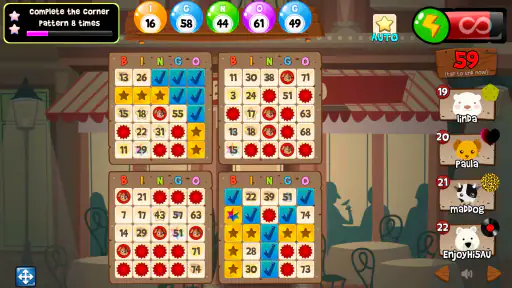
- Multiple cards can make familiar bingo gameplay more engaging.
- Lighthearted presentation suits casual players of different ages.
Cons
- Random outcomes may feel repetitive after extended play.
- Managing several cards at once can become visually busy.
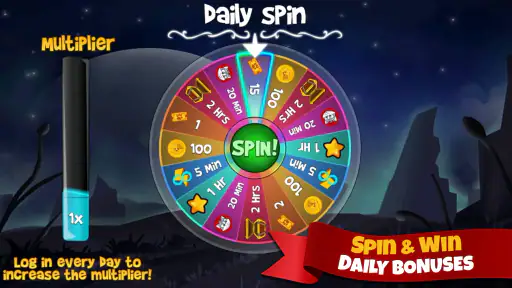
- Progress may depend on frequent play or in-app resources.
- Some features may require an internet connection to function.
- Players seeking strategy-heavy gameplay may find it too simple.
Frequently Asked Questions
What is Bingo Abradoodle: Mobile Bingo?
Bingo Abradoodle: Mobile Bingo is a casual bingo game designed for mobile devices. It combines traditional bingo gameplay with colorful visuals, themed rooms, and collectible or progression-based elements. After installing it, players can usually join bingo rounds, mark called numbers, and work toward rewards or new content. It is aimed at players who want short, relaxed sessions rather than a complex strategy game.
Is Bingo Abradoodle: Mobile Bingo free to download and play?
The game is generally available as a free download, allowing players to begin playing without purchasing the app upfront. However, free-to-play bingo titles may include optional in-app purchases for extra credits, boosters, tickets, cosmetic items, or faster progression. It is worth checking the store listing and your device’s purchase settings before playing, especially if children may access the device.
Does Bingo Abradoodle: Mobile Bingo require an internet connection?
An internet connection may be needed for important features such as loading bingo rooms, synchronizing progress, receiving events, displaying advertisements, and processing rewards or purchases. Some parts of the game may appear to work offline, but uninterrupted access should not be assumed. For the most reliable experience, use a stable Wi-Fi or mobile-data connection and update the app when a new version is available.
Is Bingo Abradoodle: Mobile Bingo suitable for children?
The colorful presentation and simple number-matching mechanics can make Bingo Abradoodle appealing to younger players, but parents should review the app-store age rating and privacy information before installation. If the game offers advertisements, social features, or in-app purchases, parental controls are recommended. Bingo-style games can also involve virtual currencies, so children should understand that digital rewards may not have real-world value.
What should I check before downloading Bingo Abradoodle: Mobile Bingo?
Before downloading, check that your Android or iOS device meets the current requirements and has enough free storage for the installation and future updates. Review the permissions requested, the privacy policy, recent user reviews, and whether the game contains ads or optional purchases. Also confirm that the app is available in your country and that your device’s operating system is supported.


