

Bendy and the Ink Machine
- Reviews
- 4.5
- Version
- 1.0.909
- Installs
- 100,000+

Screenshots
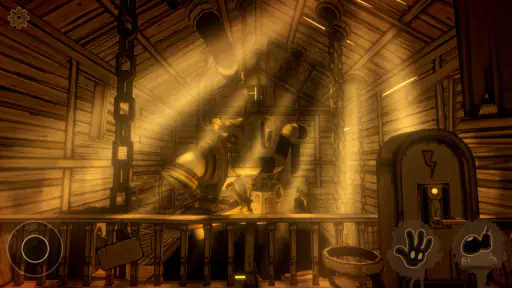
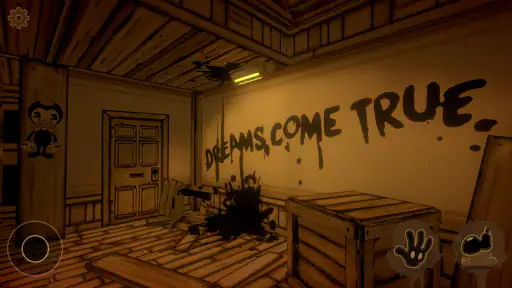
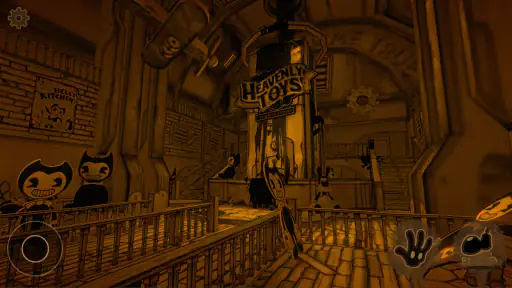
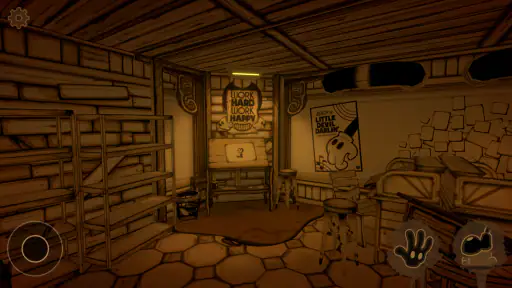
 Analysis by Frivlyz
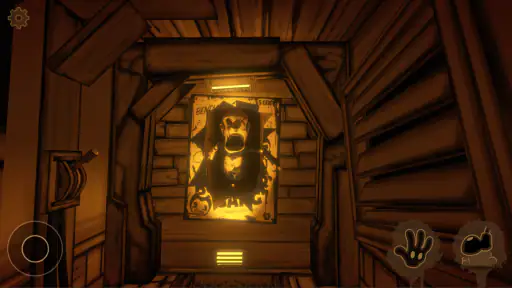
I went into Bendy and the Ink Machine expecting a compact horror adventure, but what stayed with me was how strongly it commits to its cartoon-studio setting. The game turns an abandoned animation workplace into a place that feels familiar and wrong at the same time: old drawings, ink, machinery, and cheerful visual ideas are constantly pushed toward something unsettling. It is an adventure game with puzzle and action elements, yet its best quality is the way it makes exploration feel like uncovering a story rather than simply moving from one fight to the next.
That combination makes it easy to recommend to a particular kind of player. If you enjoy atmospheric horror, environmental storytelling, strange fictional workplaces, and puzzles that are part of the world around you, this is worth considering. If you want a fast, highly polished action game with deep combat or a relaxed experience suitable for younger players, I would be more cautious. The Teen content rating matters here, because the game uses horror imagery and tension as central parts of the experience.
What the paid version offers
This is a paid game rather than a free download: the listed price is $4.99. That makes the purchase decision fairly straightforward. You are not weighing an advertised free entry point against later spending; you are deciding whether the complete experience is worth the upfront cost. For a story-focused horror adventure, that price feels reasonable to me when the player is specifically interested in Bendy’s setting and tone. It is less convincing for someone who only wants a short distraction or a broad action game with lots of replay variety.
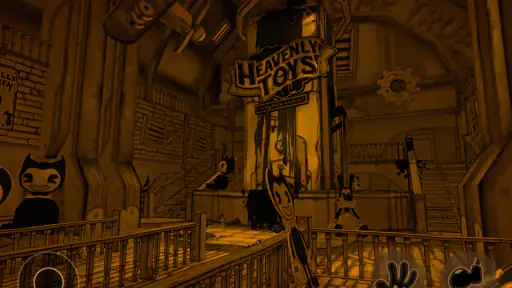
The game comes from Joey Drew Studios, and its identity is unusually focused. The fictional animation studio is not just a backdrop placed behind generic enemies. Its visual language shapes the rooms, the objects, the mood, and the way the mystery is presented. That focus gives the purchase a clear reason to exist: you are buying access to a distinctive world, not merely another mobile adventure with a horror filter applied to it.
Its audience size also suggests that it has found a substantial mobile following, with more than 100 thousand installs and an average score of 4.5. I would not treat those figures as a substitute for personal taste, but they do make the game easier to approach as an established title rather than an obscure experiment. The current version is 1.0.909, and it supports Android 6.0 or later, so compatibility is broad for many older devices, although actual comfort will still depend on the phone or tablet’s controls and performance.
The game was released on December 20, 2018, and that age is worth keeping in mind when judging it beside newer mobile releases. Its appeal does not come from feeling like the latest technical showcase. It comes from its art direction and atmosphere. I would rather see a player choose it because the ink-covered cartoon aesthetic interests them than because they expect cutting-edge visuals or the most elaborate touch interface available today.
A setting that does most of the heavy lifting
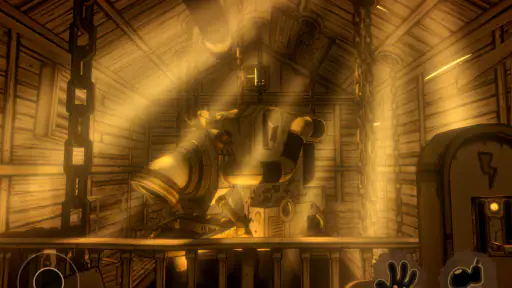
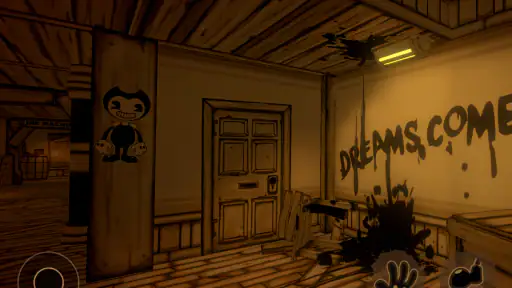
The abandoned studio is the game’s strongest design decision. It gives ordinary objects a role in the mood: work areas, corridors, machinery, drawings, and ink-filled spaces all contribute to the sense that the player is walking through a place with a history. I found myself paying attention to environmental details because the surroundings often feel like part of the explanation. That is more satisfying than a horror game that simply places frightening creatures in unrelated rooms.
Gaming Stories You May Enjoy

Dancing Road Turns Short Breaks Into a Test of Rhythm and Timing

Super Stylist Makes Every Outfit a Test of Taste and Patience

Dominoes on Your Terms: Who Should Play and Who Should Pass

Pokémon GO Makes the Familiar World Feel New

Chess.com Turns Rematches Into Rivalries, but Community Has Its Costs

Archery Battle 3D Review: Sharp Aiming, Unclear Feedback
The cartoon style is also more than decoration. The contrast between rounded, old-fashioned animation imagery and threatening situations creates a particular kind of discomfort. The game can look playful from a distance while making the same visual language disturbing up close. That contrast helps it stand apart from realistic horror games, which usually rely on darkness, decay, or graphic detail to create fear.
For players who prefer horror built around atmosphere, this approach is effective. The studio feels like a character in its own right, and the art direction gives the game an immediately recognizable personality. For players who dislike stylized horror, however, the same choice may reduce the impact. The game is not trying to frighten you through realism; it wants the world to feel like a corrupted cartoon memory.
How exploration and puzzles work together
Exploration is not simply a walk between scripted scares. The game asks you to look at the space, notice what seems usable, and understand how parts of the studio relate to one another. I found that the most useful habit was to slow down after entering a new area instead of rushing toward the most obvious doorway. A room that first appears decorative may contain the clue that makes a later objective understandable.
One practical tip is to treat every unusual object as potentially meaningful, but not to assume that every object must be solved immediately. The game’s atmosphere can encourage overthinking, especially when several props look deliberately placed. I had better results by remembering the broad structure of an area and returning after learning something new. That approach reduces aimless wandering without turning the experience into a checklist.
The puzzles are most enjoyable when they feel connected to the studio. They support the fiction of the place instead of interrupting it with unrelated logic challenges. That does not mean every moment will be equally clear. Some players may find the progression opaque when the next step is hidden among environmental details. If you strongly prefer explicit objectives and constant direction, you may experience the same mystery as friction rather than discovery.
A useful way to play is to separate confusion from genuine difficulty. When I was unsure what to do, I first revisited nearby rooms, checked whether a previously inaccessible route had changed, and looked for interactions that matched the current story context. This is more effective than repeatedly trying random objects. It also preserves the satisfaction of solving the game without immediately relying on an external walkthrough.
Action, tension, and mobile controls
The action sections give the adventure a more physical rhythm, but they are not the main reason I would choose this game. The strongest moments come from anticipation, searching, and understanding what the studio is hiding. Combat and danger add pressure to those activities, yet anyone expecting a combat-heavy title may find the action comparatively secondary.
Touch controls can also change the experience. On a larger screen, exploring and interacting feels more comfortable because there is more room to see the environment while managing movement. On a smaller phone, the same scenes can feel busier, particularly when tension rises and you need to move, look around, and react quickly. I would recommend using headphones and playing when you can give the screen your full attention, but I would not assume that every phone will provide the same level of comfort.
Another trade-off is that horror benefits from uninterrupted attention. This is not the ideal game for a crowded commute if you expect frequent pauses, notifications, or only a few seconds at a time. The mystery depends on remembering locations and details, while the atmosphere depends on not constantly breaking concentration. A quiet evening at home suits it much better than a stop-and-start session.
The Teen rating is relevant beyond a store label. The game’s tension, threatening imagery, and horror presentation are central to its identity. I would not choose it for a child simply because the cartoon appearance looks harmless. The visual style is deliberately deceptive, and the game uses that contrast to make its world unsettling.
Storytelling without giving away the experience
The narrative works best when I allowed the studio to reveal itself gradually. Instead of explaining every mystery at once, the game encourages you to connect places, objects, and the history implied by the environment. That structure rewards curiosity, but it also means the opening can feel slower to players who want immediate answers.
I recommend avoiding detailed plot summaries before playing. The pleasure comes from discovering why the studio feels abandoned, what its imagery means, and how the strange events fit together. Even small explanations can weaken the effect of later scenes. If you are buying it for the story, approach it with as little prior knowledge as possible.
There is also a difference between understanding the plot and understanding every moment of progression. The former is part of the intended mystery; the latter can occasionally feel like a navigation problem. When the game becomes unclear, I found it more useful to inspect the environment and recall earlier instructions than to assume I had missed a major story scene. That distinction helps keep the mystery enjoyable instead of frustrating.
Where the value is strongest
The best value comes from the combination of a memorable setting and a focused mood. Many adventure games can offer exploration, puzzles, or danger individually, but this one ties those elements to a very specific fictional workplace. The result is an experience that is easy to recognize and difficult to confuse with a generic haunted-house game.
I also appreciate that the game gives players a reason to observe rather than sprint. The ink, animation imagery, and studio layout create a visual trail that invites interpretation. For someone who enjoys discussing theories, noticing details, or replaying a scene after understanding its context, that can add value beyond simply reaching the ending.
Its value is weaker if you measure games mainly by hours of repeatable activity, competitive systems, or character-building depth. This is a directed adventure, not a platform for endless daily play. The paid price is easier to justify when you want a self-contained horror journey and harder to justify when you want an ongoing game to return to every day.
Compared with a conventional puzzle game, it offers more atmosphere and narrative pressure but less of a purely logical, relaxing rhythm. Compared with a realistic horror game, it offers a more stylized and playful visual identity but may feel less grounded. Compared with a large action adventure, it is more focused and intimate, though it does not aim for the same breadth of mechanics or world scale. Those differences are important because the right alternative depends on what you want from the category.
Who should spend the money
I think the purchase makes the most sense for players who enjoy horror that builds through place and suggestion. You should be comfortable exploring rooms, remembering clues, and accepting that not every objective will be announced in the clearest possible way. Fans of creepy animation aesthetics will get the most immediate appeal, but the game still has enough adventure structure to engage players who are mainly interested in environmental storytelling.
It is also a good fit for a player who wants a game that can be discussed after playing. The studio’s visual details and unanswered questions encourage conversation, and avoiding spoilers makes the discovery more rewarding. I would especially suggest it to someone looking for a darker alternative to a conventional cartoon adventure, provided they understand that the cartoon presentation does not make the content gentle.
I would skip it if you dislike suspense, uncomfortable imagery, or games that expect you to investigate rather than follow a perfectly marked route. I would also look elsewhere if your priority is deep combat, competitive multiplayer, endless procedural replay, or a calm puzzle experience. The title’s strongest qualities are specific, and they do not automatically translate into value for every mobile player.
Device choice should be part of the decision too. Android 6.0 support means the stated operating-system requirement is not especially demanding, but a compatible device is not necessarily the most comfortable one. If your phone has a cramped display or you dislike touch-based movement in tense scenes, a larger screen may make a noticeable difference. I would treat that as a practical consideration before paying, especially because the game’s atmosphere depends on being able to see and react clearly.
My buy-or-skip verdict
I would buy Bendy and the Ink Machine at its listed price if I wanted a paid, story-led horror adventure with a strong visual identity. The cost is clear, the premise is distinctive, and the game delivers its best value through atmosphere, exploration, and the gradual discovery of the studio’s secrets. It feels like a deliberate experience rather than a collection of disconnected mobile activities.
My recommendation comes with a clear condition: choose it for the setting and mystery, not for nonstop action. The puzzles can ask for patience, the touch controls may feel less comfortable on a small screen, and the horror tone makes it unsuitable for players seeking something light or family-friendly. Those are not minor details; they define whether the game will feel absorbing or irritating.
For me, the purchase earns its place because the corrupted animation-studio idea is carried through the world instead of being used as a surface theme. Joey Drew Studios has created an adventure whose personality is immediately visible, and that personality remains its biggest advantage. If that blend of ink, old cartoons, exploration, and unease sounds appealing, this is a sensible paid recommendation. If it does not, the usual puzzle or action alternatives will probably offer better value for your particular kind of play.
Bendy and the Ink Machine Pros and Cons
Pros
- Atmospheric visuals create a memorable horror experience.
- Exploration rewards players who investigate every corner.
- Distinctive cartoon-inspired art style stands out from other horror games.
- Puzzles add variety between chase and story sequences.
- The episodic structure makes the campaign easy to play in sessions.
Cons
- Some objectives can feel unclear without guide assistance.
- Backtracking occasionally slows the pace.
- Combat controls may feel awkward during tense encounters.
- Loading times can vary between devices.
- The horror relies more on atmosphere than constant scares.
Frequently Asked Questions
What is Bendy and the Ink Machine about?
Bendy and the Ink Machine is a first-person horror adventure set in an abandoned animation studio inspired by classic cartoons. You play as Henry, a former animator who returns to the studio and discovers that its ink-filled halls hide disturbing secrets. The game combines exploration, puzzles, storytelling, stealth, and occasional combat, creating a memorable atmosphere rather than focusing only on jump scares.
Is Bendy and the Ink Machine suitable for children?
Although the game uses a cartoon-inspired visual style, it is designed as a horror experience and may not be appropriate for young children. It includes frightening creatures, suspenseful scenes, dark themes, violence, and unsettling imagery involving ink and animation characters. Parents should check the official age rating for their region and consider the child’s sensitivity to horror before allowing a download.
Does the mobile version include the complete game?
The mobile edition is presented as a full story-driven experience, but availability and included content can depend on the version distributed through the Android or iOS store. Before downloading, check the current store description to confirm whether all chapters are included, whether they are unlocked immediately, and if any additional purchases or downloads are required.
Does Bendy and the Ink Machine require an internet connection?
The main gameplay is generally designed as a single-player offline adventure, so an active internet connection is not normally needed while exploring the studio. However, internet access may be required for the initial installation, account verification, updates, or restoring purchases. It is also wise to download the game over Wi-Fi because the files can be relatively large.
How well does Bendy and the Ink Machine run on phones and tablets?
Performance depends on the device, operating system, available storage, and how well the hardware handles 3D graphics. Newer phones and tablets usually provide smoother gameplay, while older or entry-level devices may experience longer loading times, reduced visual quality, or occasional slowdowns. Keep the system updated, close other apps, and verify the store’s compatibility information before installing.


