

Beauty Salon Game for Toddlers
- Reviews
- 3.6
- Version
- 1.4.3
- Installs
- 1,000,000+

Screenshots
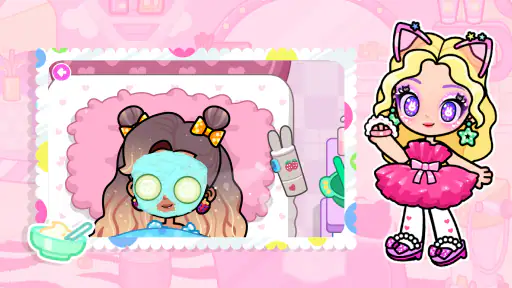
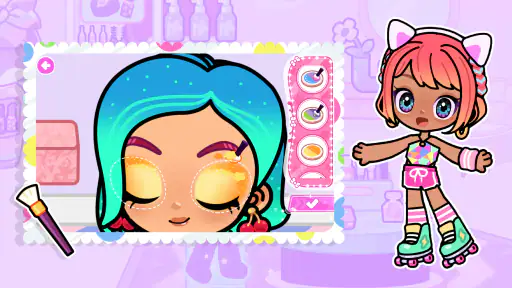
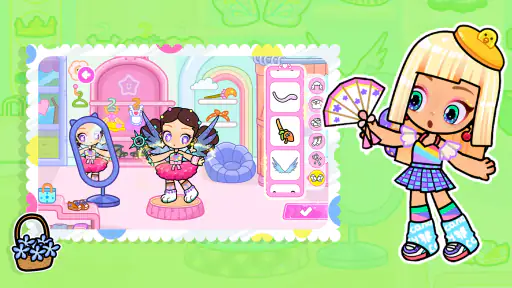
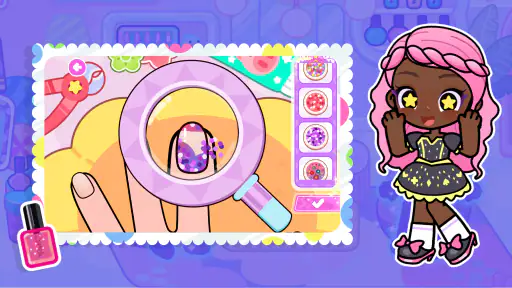
 Analysis by Frivlyz
When I first opened Beauty Salon Game for Toddlers, the clearest thing to know was what kind of play it invites: children choose a character and experiment with a makeover, rather than work through a lesson or try to beat a series of challenges. That makes the first visit less intimidating for a young child, but it also means an adult may need to help set expectations. I’d present it as a short creative activity, not as a substitute for a broader learning game or a promise of structured teaching.
What to expect from the first visit
The game is an educational title from bekids, built around a beauty-salon theme. Its familiar pretend-play setup gives a child a simple role to understand: pick a character, try styling choices, and see how the look changes. I find that kind of open-ended activity easier to introduce than a game with rules to remember, especially when a child is still getting comfortable with tapping and dragging on a screen.
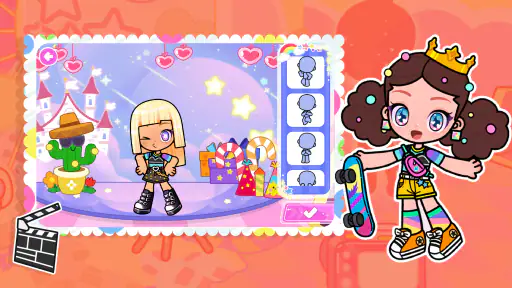
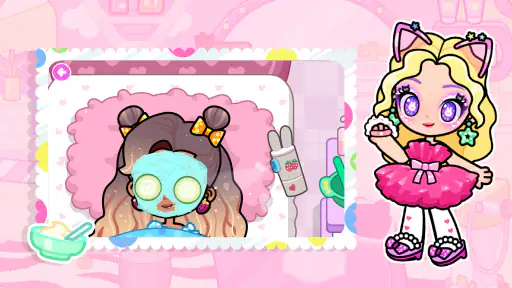
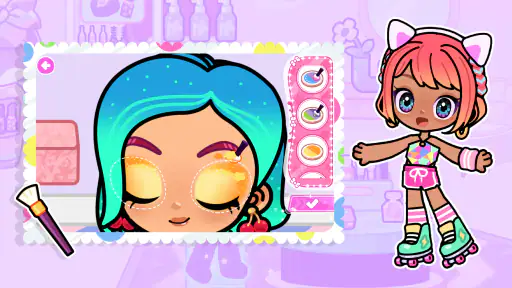
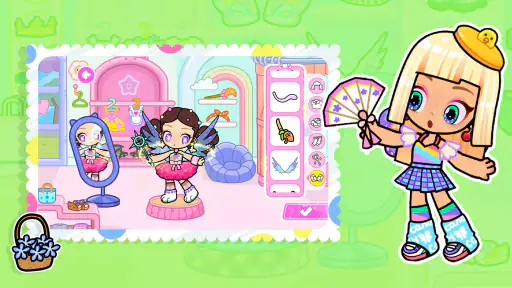
The store summary describes a doll makeover experience, and the short description calls it a beauty salon. In play, the appeal is the chance to explore hair, makeup, nails, and clothing choices. The visual focus is on making a character look different, not on explaining beauty techniques. I’d treat the educational value as informal practice with choices, colors, and imaginative role-play—not as a formal course in any subject.
It is free to download, while optional in-app purchases are listed at $1.99 to $3.99 per item. That distinction matters when a child is using a device: I recommend checking purchase settings and explaining that not every tempting option is automatically part of the free experience. The game is rated for Everyone, but that rating does not tell a parent whether its play style suits a particular child, so a quick shared first session is still useful.
First setup and a reassuring start
I’d begin by opening the game together and letting the child look at the available choices before taking over the screen. Keep the first goal small: choose one character and try one styling action. That gives a toddler a clear way to succeed without needing to understand every option at once. If they tap around instead of following a sequence, I would treat that as exploration rather than a mistake.
For a smoother start, sit nearby and use simple prompts such as “Which color would you like?” or “What should we try next?” Those questions give the child room to decide while keeping the activity manageable. Avoid turning the session into a test of whether they can complete a makeover in a particular way; the fun is in experimenting, and there is no need to make the result look polished.
A practical first-session routine is to agree on a stopping point before play begins. For example, you might say that you will make one look together and then put the device away. This is more helpful than relying on a young child to judge when a screen activity has gone on long enough. It also makes the game easier to use as a brief waiting-room or quiet-time activity, rather than something that automatically fills a long stretch of the day.
Gaming Stories You May Enjoy

Dancing Road Turns Short Breaks Into a Test of Rhythm and Timing

Super Stylist Makes Every Outfit a Test of Taste and Patience

Dominoes on Your Terms: Who Should Play and Who Should Pass

Pokémon GO Makes the Familiar World Feel New

Chess.com Turns Rematches Into Rivalries, but Community Has Its Costs

Archery Battle 3D Review: Sharp Aiming, Unclear Feedback
Step Into the World of Creative Fun
The Beauty Salon Game for Toddlers is all about letting your kids explore their creativity in a fun and safe environment. The game offers a colorful and interactive interface where toddlers can pretend to be stylists, giving makeovers to a variety of cute characters. The vibrant graphics and easy-to-use controls make it a breeze for the little ones to navigate and enjoy.
Features That Spark Joy
From playing with hair colors to applying makeup, the game provides a wide array of tools and accessories. Kids can start by choosing a character and then dive into a world of beauty with options like hair styling, nail polishing, and even wardrobe selection. The game keeps things exciting with its diverse collection of hairstyles and outfits, allowing endless combinations and styles. Your toddler will love experimenting with different looks, and who knows, this might just inspire the next big fashionista in your family!
For a first successful action, I would invite the child to choose a character and make one visible change, then pause to look at the result together. That small loop—choose, change, notice—helps a young player connect a tap with what happened on screen. It can also turn a quick play session into a little conversation about colors or preferences without pretending the game is teaching a full lesson.
One useful way to keep the play from becoming a rush through every option is to give each session a tiny theme. You could ask your child to pick a favorite color, or imagine a character getting ready for a pretend celebration. The theme comes from your conversation, not from a requirement to complete a particular challenge. This approach gives the child a reason to make choices and helps an adult join in without dictating the final look.
Why Your Toddler Will Love It
What makes this game stand out is its focus on creativity and imagination. It’s not just about dressing up characters; it’s about storytelling and role-playing, which are crucial for early childhood development. The app encourages kids to think outside the box, fostering their decision-making skills as they choose outfits and styles. Plus, it’s a fantastic way for them to learn about colors and patterns in a playful context.
Those benefits depend on how a child plays and how an adult frames the activity. I would not expect a makeover game by itself to teach a child a reliable set of skills; instead, it can provide prompts for practicing choice-making and describing what they see. A parent can make that interaction more meaningful by asking the child to explain a choice, while still accepting “because I like it” as a perfectly good answer.
Another great aspect of the game is its accessibility. There are no complicated instructions or stressful levels to beat. It’s purely about having fun and exploring, making it perfect for toddlers who are just starting to interact with digital devices.
Where it fits in a family’s routine
A realistic use is a short shared session while waiting for an appointment or winding down at home: the child picks a character, tries a styling choice, and tells you what they like about it. The adult can stay involved without needing to guide every tap. If your child enjoys repeating a familiar action, the salon theme gives them a comfortable setting to revisit, while a simple stopping rule prevents the activity from stretching on just because there are more looks to try.
This is a better fit for children who like visual pretend play than for children who want a clear objective, a score, or a story that advances in set steps. It may also be less suitable if your family would rather avoid makeup and fashion themes altogether. In that case, a drawing app, a building activity, or a nature-focused game may align more closely with what you want your child to explore.
Compared with common alternatives in the educational-game category, this one is specifically about styling characters. A coloring activity usually centers on filling in a picture, while a puzzle game asks the child to solve a defined problem. Here, the main reward is seeing a chosen look take shape. That makes it a nice change of pace for a child who already enjoys dolls or dress-up play, but it offers less variety for someone looking for several different kinds of activities in one game.
Common confusion and useful trade-offs
If a child taps many choices quickly, they may not notice what each action changes. I’d slow the pace by asking them to try one option, look carefully, and then decide whether to keep it or try something else. This is a small adjustment, but it makes the activity easier to follow and gives the child more control than an adult simply selecting everything for them.
Another point to clarify is the difference between a playful makeover and a real-world expectation. Since the theme involves makeup, hair, and outfits, parents can describe it as pretend styling for a character rather than something a child needs to imitate. That framing keeps the focus on imagination and colors, and it gives families a natural way to decide which parts of the theme feel comfortable in their home.
Because purchases are available within the app, I’d check device purchase controls before handing it to a toddler. A young child may not understand the difference between a choice that is available to play with and an option that involves spending. Staying nearby for the first session also helps you see what the child can access and answer questions before a confusing prompt interrupts the play.
The game is free, and its average rating is 3.6 from 552 ratings, with four written reviews. I see that as a reason to try it thoughtfully rather than assume it will suit every child. It has reached more than one million installs, but popularity does not replace a family’s own judgment about screen habits, interests, and the beauty-salon theme. Its Everyone age rating is a broad guide, not a personalized recommendation.
Who should try it—and who may prefer something else
I’d recommend giving it a look if your toddler already enjoys choosing clothes for dolls, playing salon, or making up little stories about characters. It can also work for a parent who wants to participate in a low-pressure activity by asking questions and letting the child lead. The strongest fit is a child who enjoys open-ended visual choices and does not need a score or finish line to stay interested.
I’d skip it if you want a structured learning path, a game centered on numbers or letters, or a wide mix of activities rather than one beauty-salon theme. It is also reasonable to choose a different app if you do not want optional purchases in a child-facing game, even with device controls in place. In those situations, a simple offline drawing session or a more clearly goal-based educational game may be a better match.
The game was released on November 21, 2023, and its current version is 1.4.3. It requires Android 8.1 or later. If you are choosing it for a particular device, checking that requirement before downloading avoids an unnecessary installation attempt. I would also keep expectations focused on the makeover play itself, rather than assuming that a version number or release date tells you how much content a child will want to revisit.
Final Thoughts
In a nutshell, the Beauty Salon Game for Toddlers is a delightful app that offers a wonderful blend of education and entertainment. It’s a safe and engaging space for your kids to express themselves and unleash their inner stylist. As a parent, you can feel good about allowing your child some screen time with this app, knowing that they’re not just entertained, but also learning and growing.
So, if you’re looking to add a splash of color and creativity to your toddler’s digital world, this app is definitely worth checking out. Happy styling, little fashionistas!
My own recommendation is to try it first alongside your child, keep the opening session short, and see whether they enjoy making choices more than they enjoy simply tapping through the screen. If that small experiment leads to a story or a conversation, the game is doing something useful for your family. If your child quickly loses interest or wants a clearer goal, there is no need to force it; another kind of play will probably be a better use of their screen time.
Beauty Salon Game for Toddlers Pros and Cons
Pros
- Engaging and colorful graphics.
- Simple
- intuitive interface for toddlers.
- Wide variety of salon activities.
- Enhances creativity and imagination.
- No in-app purchases needed.
Cons
- Limited educational content.
- May become repetitive over time.
- No multiplayer feature available.
- Requires internet for some features.
- Ads may interrupt gameplay.
Frequently Asked Questions
What is the main objective of Beauty Salon Game for Toddlers?
Beauty Salon Game for Toddlers is designed to offer a fun and educational experience for young children. The main objective is to allow toddlers to explore their creativity by engaging in various beauty salon activities such as hairstyling, makeup application, and nail art. This game helps in developing fine motor skills and encourages imaginative play.
Is Beauty Salon Game for Toddlers safe for young children to play?
Yes, Beauty Salon Game for Toddlers is designed with young children in mind and is completely safe for them to play. The game features a child-friendly interface with colorful graphics and engaging sound effects. It does not include any advertisements or in-app purchases that could lead to unintended spending.
What age group is Beauty Salon Game for Toddlers suitable for?
Beauty Salon Game for Toddlers is specifically designed for children aged 2 to 5 years old. The game’s simple controls and interactive features are tailored to suit the developmental stages of toddlers, making it an ideal choice for preschool-aged children who enjoy role-playing and creative activities.
Can Beauty Salon Game for Toddlers be played offline?
Yes, Beauty Salon Game for Toddlers can be played offline. Once downloaded, the game does not require an active internet connection, allowing children to enjoy it anytime and anywhere. This feature is particularly beneficial for parents who want to limit their child’s screen time to safe, controlled environments.
What kind of educational benefits does Beauty Salon Game for Toddlers offer?
Beauty Salon Game for Toddlers offers several educational benefits. It helps in developing hand-eye coordination and fine motor skills as children engage in various salon tasks. The game also promotes creativity and imagination by allowing kids to experiment with different styles and colors, fostering a sense of accomplishment and self-expression.


