

Baby Panda's Daily Habits
- Reviews
- 3.6
- Version
- 8.71.05.01
- Installs
- 10,000,000+

Screenshots



 Analysis by Frivlyz
When a child resists a familiar routine, a playful demonstration can sometimes work better than another reminder from an adult. That is the appeal I see in Baby Panda's Daily Habits: it turns everyday self-care into small activities children can explore at their own pace. I’d treat it as a gentle companion to real routines, not a substitute for a parent showing how those routines work.
Why the first few sessions can click
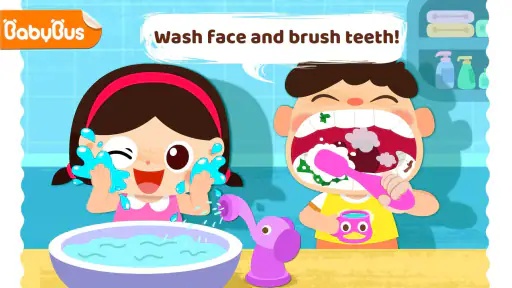
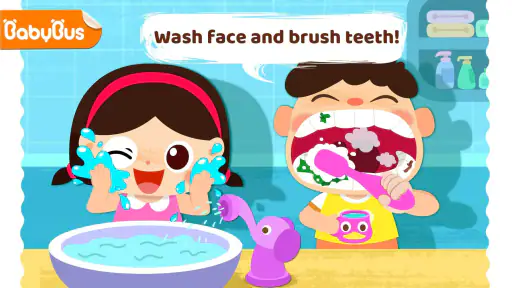
The game’s focus is easy for young children to understand: ordinary tasks such as brushing teeth and washing hands become things they can take part in rather than just hear about. In a first session, that familiar subject matter gives a child a quick way into the play. The bright presentation and cheerful characters help, but the useful part is the connection between an on-screen action and something the child recognizes at home.
That makes it particularly handy before a routine, rather than only as a reward afterward. I can imagine letting a child try an activity before heading to the bathroom, then using the game’s theme as a cue to move on to the real task. The adult still needs to guide and supervise, especially with very young children, but the game can give you a less argumentative starting point than repeating instructions.
A playful prompt, not a replacement for practice
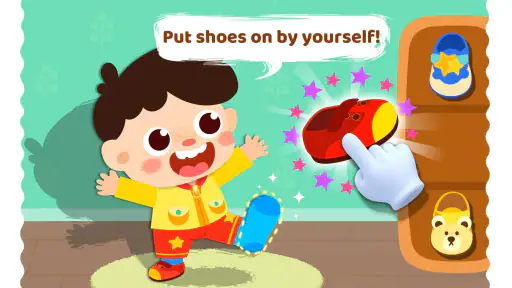
The important distinction is that completing a game task is not the same as learning to do it independently in real life. A child may enjoy helping a character through a routine and still need hands-on help with a toothbrush, soap, or getting dressed. I’d use the game to introduce or reinforce an idea, then praise the child for trying the equivalent action away from the screen.
This approach also makes it easier to keep screen time purposeful. Rather than handing over a phone for an open-ended stretch, I’d choose one activity that matches what the child is about to do, play together briefly, and then put the device aside. That small transition matters: the point is to carry the idea into the day, not to keep a child entertained until the real routine disappears.
A Fun Way to Learn Good Habits
Let me tell you, the first time I opened Baby Panda's Daily Habits, I was immediately charmed by its colorful interface and cheerful characters. The app is packed with mini-games that revolve around daily activities, making it easy for kids to learn and remember essential habits. For instance, one game involves helping Baby Panda brush his teeth, complete with bubbles and sound effects that mimic the real thing!
Interactive and Engaging Gameplay
What really sets this app apart is its interactivity. Kids are not just passive observers; they actively participate in the learning process. The tasks are simple enough for toddlers to understand but engaging enough to keep them interested. Each successful completion of a task is met with applause and rewards, which is a great way to motivate the little ones!
Gaming Stories You May Enjoy

Dancing Road Turns Short Breaks Into a Test of Rhythm and Timing

Super Stylist Makes Every Outfit a Test of Taste and Patience

Dominoes on Your Terms: Who Should Play and Who Should Pass

Pokémon GO Makes the Familiar World Feel New

Chess.com Turns Rematches Into Rivalries, but Community Has Its Costs

Archery Battle 3D Review: Sharp Aiming, Unclear Feedback
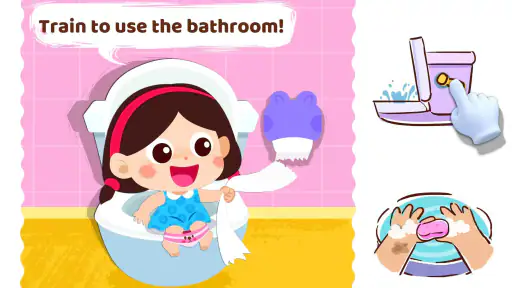
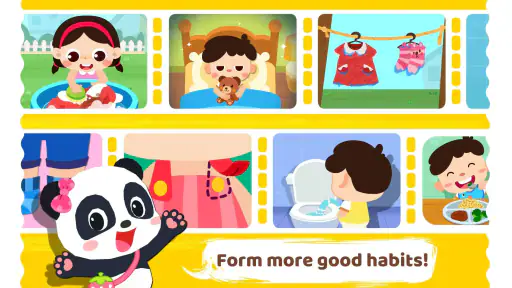
One of my favorite features is the variety of activities available. From getting dressed to tidying up rooms, there's always something new to explore. This keeps the app fresh and exciting for kids, encouraging them to return and engage with it regularly.
Using it in a real family routine
Here is one practical way I’d make that variety count: pick an activity that connects to a task the child is already facing. If getting ready for bed has become a struggle, for example, an activity about a related daily task can open a conversation before the child is tired and impatient. Afterward, keep the real-world expectation simple—one small step the child can attempt, with an adult nearby to help.
I would avoid turning the game into a bargaining chip for every routine. If the child only participates when promised more play, the screen can become the main reward instead of the habit. A better trade-off is to use it occasionally as a prompt, then let the ordinary satisfaction of completing the real task do the work. This is especially useful when a child is curious but not yet ready to manage a routine alone.
How it compares with other ways to teach routines
Compared with a picture book or a parent’s spoken explanation, an interactive game gives a child something to do, which can help hold attention and make the routine feel less abstract. A book may be calmer and easier to share at bedtime, while a parent demonstrating the task is more directly useful when a child needs physical guidance. I see this game as a middle option: more participatory than simply watching, but still dependent on an adult to connect play with practice.
It is also different from a dedicated checklist or timer. Those tools can help families remember when to do something, but they do not necessarily make the action itself interesting to a young child. This game’s value is in playful rehearsal, not in organizing a household schedule. If your child already follows routines comfortably, a simpler reminder—or no app at all—may be the better fit.
Who is likely to get the most from it
I’d consider it for a family introducing basic self-care habits, or for a child who responds well to characters and hands-on play. The educational framing makes sense for short, shared sessions, and the Everyone age rating is reassuring as a broad content classification, though it does not replace an adult’s judgment about what is suitable for a particular child. Parents looking for a calm, focused activity may also appreciate having a subject they can connect directly to the day’s routine.
It may be less suitable for children who become upset when a device is taken away, or for families trying to reduce screen use altogether. It is not a magic fix for strong resistance, sensory discomfort, or a child who needs individualized support. In those situations, patient modeling, advice from a relevant professional, or a non-screen approach may be more helpful than another game.
What to expect from repeated play
BabyBus made this educational game, which is free to start, and it has an average rating of 3.6 from around 16,000 ratings, with over 10 million installs. Those figures suggest that many families have tried it, but they do not tell me whether a particular child will stay interested. The key question is whether the child returns to the activities with a real purpose—such as rehearsing a routine—or simply wants more screen time.
There are also practical reasons to check the purchase setup before handing a device to a child. The game includes in-app purchases, with items priced from $0.99 to $4.99, so I’d review the device’s purchase controls and explain that tapping around does not mean every item is free. The game is listed for Everyone, and the current version is 8.71.05.01; it requires Android 5.0 or later on Android devices. These details help with suitability and compatibility, but they do not guarantee that the game will match every child’s attention span.
Where the novelty can wear thin
The same cheerful rewards that make a first session inviting may not hold every child’s interest over time. A child who loves repeating familiar actions may happily revisit the activities; another may explore them once and move on. That is not necessarily a flaw—habits themselves are repetitive—but it does mean I would judge the game by whether it supports a real routine, not by how long it keeps a child occupied.
Another point to watch is the gap between game feedback and real-life progress. A character’s success is immediate and playful, while brushing carefully or washing thoroughly takes patience and adult guidance. I would not use the game’s rewards as proof that a child has mastered a skill. Instead, notice what the child understands, then help them practice the part that still needs attention.
Safe and Child-Friendly Environment
As a parent, safety is always a top priority, and Baby Panda's Daily Habits understands that perfectly. The app is designed to be child-friendly, with no ads or inappropriate content to worry about. This ensures that kids can play and learn in a safe environment without any interruptions.
Moreover, the app's controls are intuitive, making it easy for children to navigate through different sections without adult assistance. This independence not only boosts their confidence but also enhances their learning experience.
Keeping the game in its place
For lasting value, I would give the game a specific job: help introduce a routine, provide a short change of pace, or give a child a playful way to revisit familiar tasks. I would not expect it to become an essential daily tool for every family. If the child is already comfortable with brushing and washing, the game may have little to add; if the child enjoys the characters but avoids the real task, it may be entertaining without solving the problem.
My practical advice is to try it alongside the routine rather than building the routine around the phone. Ask the child what the character is doing, let them take a turn, and then invite them to try one comparable step in the bathroom or bedroom. That makes the adult’s role clear and keeps the screen from becoming the whole activity. If the transition away from play regularly causes more conflict than the routine itself, I’d pause and choose a book, a song, or a simple demonstration instead.
Final Thoughts
In conclusion, Baby Panda's Daily Habits is a fantastic tool for parents looking to instill good habits in their children while keeping them entertained. The combination of fun, education, and safety makes it a must-have app for any parent. So if you're on the lookout for a way to make daily routines exciting for your little ones, this app might just be the magic wand you need!
My more measured recommendation is to see it as a useful option, not a must-have. Its strongest case is a young child who enjoys interactive play and needs a light, friendly introduction to everyday self-care. Its weaker case is a family expecting the game to create lasting habits without adult follow-through. When a short session leads into real practice, the app can earn a place in the rotation; when it only extends screen time, there is little reason to keep it installed.
Baby Panda's Daily Habits Pros and Cons
Pros
- Engaging graphics for children
- Teaches daily routines effectively
- Interactive and fun gameplay
- Parental control features
- Offline play available
Cons
- Limited content variety
- In-app purchases present
- Occasional ads disruption
- Needs frequent updates
- Some tasks may be too simple
Frequently Asked Questions
What is Baby Panda's Daily Habits app about?
Baby Panda's Daily Habits is an educational app designed for young children to teach them about daily routines and healthy habits. Through interactive games and activities, children can learn about personal hygiene, healthy eating, and the importance of regular sleep schedules. The app aims to make learning fun and engaging, helping kids develop good habits early on.
Is Baby Panda's Daily Habits app safe for children?
Yes, Baby Panda's Daily Habits is safe for children. The app is designed specifically for young kids, with age-appropriate content and interactive features that support learning and development. It does not contain any inappropriate content, in-app purchases, or ads, ensuring a secure and child-friendly experience.
Does Baby Panda's Daily Habits require internet access?
No, Baby Panda's Daily Habits does not require internet access to play the majority of its games and activities. This makes it ideal for use on-the-go or in areas with limited connectivity. However, initial download and updates may require an internet connection.
Can Baby Panda's Daily Habits be played on both Android and iOS devices?
Yes, Baby Panda's Daily Habits is available for both Android and iOS devices. The app can be downloaded from the Google Play Store for Android users and the Apple App Store for iOS users. It is optimized to run smoothly on most smartphones and tablets, providing a seamless experience across platforms.
What age group is Baby Panda's Daily Habits suitable for?
Baby Panda's Daily Habits is designed for children aged 3 to 6 years old. Its interactive and colorful interface is tailored to engage young minds and teach them about daily habits and routines in a fun and educational way. Parents can be assured that the content is appropriate and beneficial for early childhood development.


