

APEX Racer - Pixel Cars
- Reviews
- 4.6
- Version
- 0.9.50
- Installs
- 1,000,000+

Screenshots




 Analysis by Frivlyz
I came to APEX Racer - Pixel Cars expecting a quick retro-looking racer, but what kept me playing was the way car-building and racing give each other purpose. It is a mobile racing game from PIXELDEV GAMES, free to play, with a pixel-art look and a clear focus on making cars feel like your own. The early appeal is easy to understand: get on the track, learn how a car behaves, and start working toward a better setup. Whether that loop holds your interest depends on how much you enjoy gradual goals rather than a constant stream of new surprises.
Retro style, with room to make progress
From the moment you fire up APEX Racer - Pixel Cars, you’re greeted with a delightful blast-from-the-past vibe. The pixel art style is not just a gimmick—it’s a genuine connection to the golden era of arcade games. The visuals might be simple, but they’re incredibly well-executed, bringing a sense of nostalgia that’s hard to resist.
The tracks are beautifully designed with vibrant colors and dynamic environments that keep things visually interesting. Whether you’re racing through a bustling cityscape or navigating a winding mountain road, the game does a stellar job of making each track feel unique.
That visual simplicity also makes the cars themselves easy to read while racing. I like that the pixel presentation gives customization a strong identity: a change to a car’s look feels like part of building a personal garage, rather than a small menu detail. If you enjoy retro art but want a racer with more to do than admire the scenery, that combination is the main draw.
Early goals give each race a reason
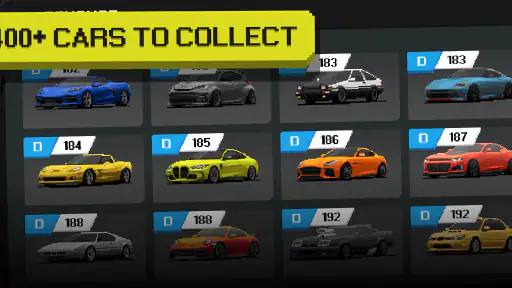
The opening stretch works best when I treat every race as a small test: learn the handling, see where I lose time, then decide whether to work on driving or adjust the car. That is a more satisfying approach than expecting every event to deliver a dramatic new reward. The game’s car unlocking and upgrade loop gives those small decisions a direction, and it suits players who like seeing a project take shape over several sessions.
One of my favorite features is the wide array of cars you can unlock and upgrade. Each vehicle has its own distinct characteristics, so you’ll want to experiment to find the one that best suits your racing style. The upgrades are meaningful, giving you that satisfying sense of progression as you customize your dream car.
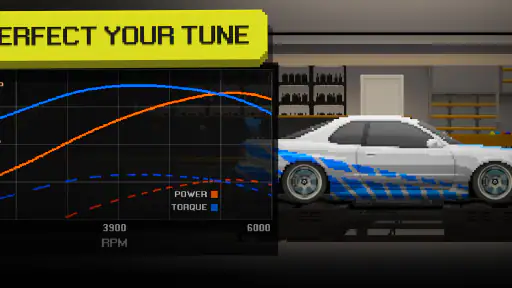
A useful habit is to change one thing at a time when testing a car. If I swap several parts and alter my driving at once, it becomes difficult to tell what actually helped. A short run with a familiar setup gives me a fair comparison, while a later race lets me see whether the change still feels useful under pressure. This simple routine makes upgrades feel like choices rather than a button to press whenever a new option appears.
Gaming Stories You May Enjoy

Dancing Road Turns Short Breaks Into a Test of Rhythm and Timing

Super Stylist Makes Every Outfit a Test of Taste and Patience

Dominoes on Your Terms: Who Should Play and Who Should Pass

Pokémon GO Makes the Familiar World Feel New

Chess.com Turns Rematches Into Rivalries, but Community Has Its Costs

Archery Battle 3D Review: Sharp Aiming, Unclear Feedback
Customization rewards a little planning
Customization is where this game truly shines. You can modify your car’s appearance with a plethora of options, from paint jobs to decals. The level of detail in the customization options is impressive, allowing you to create a car that’s truly your own. It’s not just about aesthetics, though; choosing the right upgrades can make all the difference on the track.
I would separate the fun of making a car look distinctive from the practical question of how it drives. It is tempting to spend attention on visual tweaks first, but if progress stalls, returning to the performance side is the more useful move. Conversely, once a setup feels dependable, personalizing its appearance gives you a reason to keep using it instead of constantly chasing another build.
The game also offers a variety of race modes to keep things fresh. Whether you’re in the mood for a quick race or a more strategic time trial, there’s something here for everyone. I found myself constantly coming back to try and beat my previous times, always chasing that perfect lap.
Time trials are particularly suited to short play sessions: I can make a few attempts, focus on a cleaner line, and stop without needing to turn a spare moment into a long session. For a more relaxed evening, trying a different car or mode breaks up that repetition. The trade-off is that players who need a fresh objective in every race may find repeating a course for a better result less compelling than a racer built around a more obvious campaign.
Difficulty and pacing depend on your approach
The challenge feels most rewarding when I resist the urge to treat speed as the only answer. A familiar car and a controlled run can teach more than repeatedly pushing an unfamiliar setup to its limit. If a race feels difficult, I’d first focus on consistency and then consider whether a different car or upgrade makes sense. That keeps setbacks useful: they tell me what to work on, even when a win does not arrive immediately.
This is also where the progression can feel slower for someone who wants instant variety. Unlocks and improvements give returning players a reason to continue, but the satisfaction comes from gradual refinement. There is no need to turn every session into a grind; a couple of focused races can be enough to learn whether a new setup suits you. I find that pacing better for casual play than a game that demands a long uninterrupted session, though players looking for constant novelty may prefer a more event-driven alternative.
For an everyday example, I might open the game while waiting for a meal, run a time trial, and use the result to decide whether my current car needs more practice or a small adjustment. Later, with more time, I can try another mode or take a car into a competitive race. That split makes the game fit short and longer sessions without pretending every visit needs to be a major milestone.
Competition adds pressure, not a substitute for practice
If you’re competitive like me, you’ll love the multiplayer aspect of APEX Racer - Pixel Cars. Racing against real players from around the world adds a whole new layer of excitement. The matchmaking is quick and seamless, meaning you’re never waiting long to dive into the action.
The stakes are higher when you’re up against human opponents, and it’s incredibly satisfying to outmaneuver rivals on the track. It’s this adrenaline-pumping competition that keeps the game feeling fresh and engaging, even after countless races.
I see multiplayer as a good change of pace once I’m comfortable with a car, not the best place to learn every control at once. A competitive race can expose weaknesses in a setup, but it can also make a developing player feel rushed. Practicing alone first is a sensible choice if you want to understand how a vehicle responds before comparing your decisions with other racers.
Compared with mobile racers that put their strongest appeal in spectacle or a fast, disposable race, this game leans more toward the pleasure of tuning a car and returning to improve. That makes it a better fit for someone who enjoys a personal garage and incremental mastery. If you mainly want realistic presentation, a deep narrative, or a different kind of racing progression, another title may suit you better; the pixel-art style and build-focused loop are central to this one.
Who will enjoy the long-term loop?
The game is rated for Everyone, so its presentation is approachable for a broad audience, while the racing itself still asks for attention and practice. It has a 4.6 average from around 32,000 ratings and has passed a million installs, which gives new players a useful sense that it has found an audience. I would recommend it most to people who like arcade racing, retro visuals, and the small satisfaction of making a car more personal over time.
It is less likely to click if you want every race to introduce a new mechanic, or if you dislike repeating events to improve a time. The free download lowers the barrier to trying it, but in-app purchases range from $0.99 to $14.99 per item, so I would decide in advance whether I want to spend. The game can be enjoyed as a free starting point; purchases are a personal choice, not a reason to rush through the early learning curve.
A fair verdict on its progression
Released on April 5, 2023, and currently at version 0.9.50, this racing game runs on Android 8.0 or later. Those details matter if you are checking whether an older device can run it, while the day-to-day decision is simpler: do you enjoy trying cars, tuning them, and gradually getting better? If that is what you want from a mobile racer, the progression has a clear appeal. If you expect a polished sequence of constant unlocks and dramatic new challenges, its more self-directed pace may feel modest.
So, is APEX Racer - Pixel Cars worth your time? Absolutely! This game combines retro aesthetics with modern gameplay mechanics in a way that’s both charming and addictive. The robust customization options, varied race modes, and thrilling multiplayer races make it a standout in the mobile racing genre.
Whether you’re a fan of pixel art or just looking for a fun and challenging racer, APEX Racer - Pixel Cars has something to offer. So, rev up your engines, hit the track, and prepare for a racing experience that’ll have you hooked from the first lap.
APEX Racer - Pixel Cars Pros and Cons
Pros
- Stunning pixel art graphics enhance gameplay.
- Wide variety of customizable cars available.
- Responsive and intuitive touch controls.
- Engaging multiplayer mode with friends.
- Regular updates with new content.
Cons
- In-app purchases can be expensive.
- Occasional lag during online matches.
- Limited track selection initially.
- Ads can be intrusive at times.
- Requires stable internet connection.
This Game in Other Languages
Frequently Asked Questions
What is APEX Racer - Pixel Cars?
APEX Racer - Pixel Cars is a retro-style racing game that combines pixel art graphics with high-octane racing action. Players can customize their cars, race against others, and participate in various challenges. The game is available on both Android and iOS platforms, offering a unique throwback experience for fans of classic arcade racers.
What are the main features of APEX Racer - Pixel Cars?
APEX Racer - Pixel Cars offers a variety of features including customizable vehicles, diverse racetracks, and multiplayer racing modes. Players can upgrade and modify their cars for better performance and aesthetics. The game also includes leaderboards, allowing players to compete globally and showcase their racing skills.
Is APEX Racer - Pixel Cars free to play?
Yes, APEX Racer - Pixel Cars is free to download and play. However, it may offer in-app purchases for additional content or to enhance the gaming experience. These purchases are optional and not necessary to enjoy the core gameplay, but they can provide benefits like special car parts or faster progression.
What are the system requirements for APEX Racer - Pixel Cars?
For Android users, APEX Racer - Pixel Cars requires Android version 5.0 or higher, while iOS users need iOS 10.0 or later. The game runs smoothly on most modern smartphones and tablets, but ensuring your device meets these requirements will provide the best gaming experience without performance issues.
Does APEX Racer - Pixel Cars support multiplayer mode?
Yes, APEX Racer - Pixel Cars supports multiplayer mode, allowing players to race against friends or other players worldwide. The game features real-time racing and competitive leaderboards, making it a thrilling choice for those who enjoy challenging others and climbing the ranks in a global racing community.


