

Ant Legion: For The Swarm
- Reviews
- 4.6
- Version
- 7.1.167
- Installs
- 10,000,000+

Screenshots
 Analysis by Frivlyz
I went into Ant Legion: For The Swarm expecting a compact ant-themed strategy game, but its appeal is really in the steady decisions that shape a colony: what to develop, what to protect, and when to rely on other players. It suits people who enjoy gradual progress and planning more than quick matches. I would not pick it for a short, self-contained puzzle session; the fun comes from returning to a living project and adjusting it over time.
It is a free strategy game from 37GAMES, and its mutation-adventure premise gives the familiar colony-management setup a distinct insect-world flavor. The game has a 4.6 average from around 110,000 ratings and has passed 10 million installs, so it has found a large audience. It is rated Everyone 10+, runs on Android 5.0 or later, and version 7.1.167 is the current release. Optional in-app purchases range from $0.99 to $99.99 per item, which is worth keeping in mind if you prefer games with no paid extras at all.
Small choices, long consequences
The central decision is not simply whether to collect more or build more. Each choice competes for attention: resources used to strengthen the colony cannot also go toward another immediate need, and a defensive focus may leave less room for expansion. I found it useful to pause before committing and ask what problem I am trying to solve next. If the colony feels exposed, strengthening its ability to withstand pressure makes more sense than chasing growth for its own sake; if it feels stable, investing in development can be the better move.
That makes the game more rewarding when you treat it as a sequence of priorities rather than a checklist. I would not try to improve every part of the colony at once. Pick a near-term aim, watch how it affects your available resources, then reassess. This approach is especially helpful when you only have a few minutes to check in: a clear next step makes a short visit feel purposeful instead of scattered.
Cooperation has a practical side
Forming alliances adds a social dimension, but I see it as more than a way to make the game feel busy. A colony that interacts with other players is not being managed in isolation, so cooperation becomes part of how you think about threats and progress. If you enjoy sharing a goal and coordinating with people, that can make the broader strategy feel more alive. If you prefer to make every decision alone, the group element may feel like an obligation rather than a benefit.
Before investing heavily in that social side, consider how regularly you want to play and whether you enjoy communicating with a group. Joining an alliance is most appealing when you want shared activity, not when you are looking for a completely private, pause-anytime experience. I also would not assume that other players will make the decisions for you: alliances can support your plans, but you still need to decide what your own colony needs.
The Ant Colony Adventure
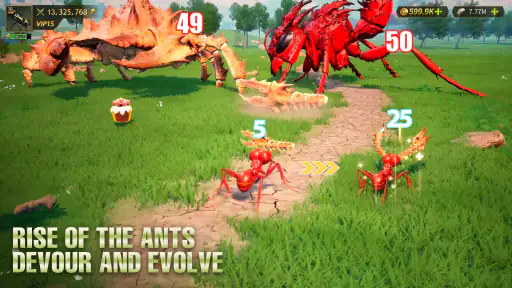
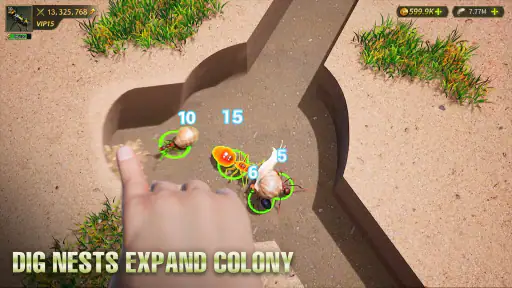
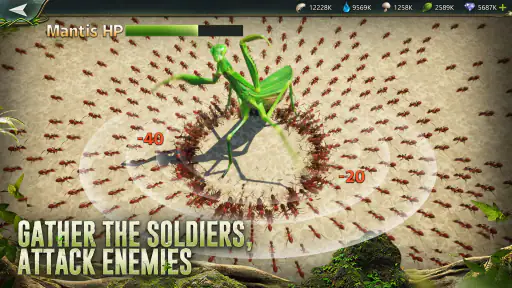
So, the first thing you notice about Ant Legion: For The Swarm is the detail-oriented design. From the tiny, bustling workers to the formidable soldiers, every ant has its role in the colony. Managing these little critters is no small feat, and that’s where the fun begins. You start off with a small colony, and your main goal is to expand, gather resources, and defend your territory from intruders.
Gaming Stories You May Enjoy

Dancing Road Turns Short Breaks Into a Test of Rhythm and Timing

Super Stylist Makes Every Outfit a Test of Taste and Patience

Dominoes on Your Terms: Who Should Play and Who Should Pass

Pokémon GO Makes the Familiar World Feel New

Chess.com Turns Rematches Into Rivalries, but Community Has Its Costs

Archery Battle 3D Review: Sharp Aiming, Unclear Feedback
Gameplay and Features
The gameplay is super engaging! You’ll find yourself strategizing on how best to allocate your resources. Should you send more ants to forage for food, or should you focus on building up your defenses? The decisions you make impact the success of your colony. The game offers a variety of features including real-time strategy elements, which means you’ll be constantly on your toes.
One feature I particularly loved is the ability to form alliances with other players. It’s not just about surviving on your own; it’s about forming a network of allies to help fend off enemies and gather resources. The social aspect adds a whole new layer of depth to the game.
Graphics and Design
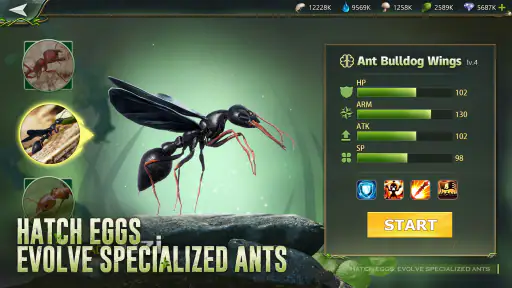
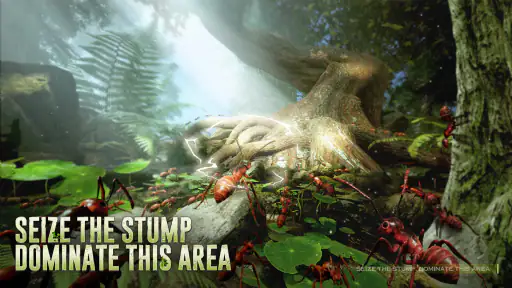
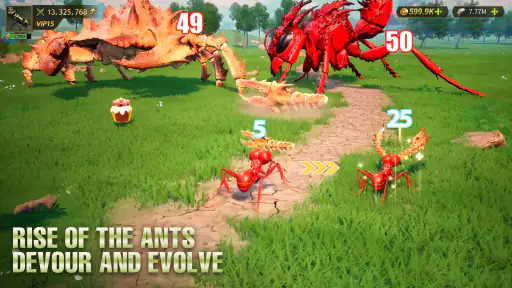
Visually, the game is stunning. The developers have done a fantastic job at making the ant world come to life. The graphics are crisp, and the animations are smooth, adding to the immersive experience. Watching your ants scurry around, building and expanding, is oddly satisfying and quite mesmerizing.
Challenges and Strategy
Now, let’s talk strategy. Ant Legion isn’t just about mindless clicking and building. You need to think ahead and plan your moves carefully. The game throws various challenges your way, from resource shortages to enemy invasions. You’ll need to adapt quickly, making strategy a crucial part of the gameplay.
The game also allows for a bit of customization, letting you upgrade your ants and enhance their abilities. This feature keeps the game fresh and makes you feel like you’re truly in control of your colony’s destiny.
How it fits into a daily routine
A realistic way to approach this kind of colony game is to split attention between brief check-ins and a longer planning session when you have time. On a busy day, I would use a short visit to see whether the colony’s immediate needs have changed, make one deliberate adjustment, and leave the bigger decisions for later. That is more satisfying than opening the game repeatedly without a clear purpose. The trade-off is that a persistent strategy game can keep tempting you to return, so it is not ideal if you want entertainment that ends cleanly when a match is over.
For a new player, I would focus on learning which resource pressures are actually limiting progress before trying to optimize everything. When a shortage appears, it is easy to react by shifting attention toward it immediately; a better question is whether that shortage blocks a goal you care about now or simply looks uncomfortable. This small distinction helps avoid changing priorities too often. A plan that you can follow for a while is usually more useful than a string of hurried corrections.
Choosing a plan and reading the risks
The game’s appeal lies in balancing growth against resilience. Expanding quickly can feel rewarding, but development is only useful if the colony can cope with the demands that come with it. Conversely, putting all your attention into protection may make progress feel slow. I treat those as competing investments, not as a puzzle with one permanently correct answer: the right choice depends on what is currently threatening your plans and how much room you have to recover if things go badly.
A practical habit is to decide what success would look like before spending resources. If the aim is to make the colony more secure, avoid diverting effort toward an unrelated upgrade just because it is available. If the aim is to grow, check that you are not ignoring a weakness that could make the investment fragile. This is a useful way to keep the game’s many demands from turning into reactive tapping. It also makes setbacks easier to interpret: they show which assumption in your plan needs changing, rather than proving that every part of your approach was wrong.
Learning through adaptation
Resource pressure and hostile encounters make flexibility important, but changing course every time something goes wrong can be just as costly as refusing to adapt. I would make one adjustment at a time where possible, then judge whether it addresses the underlying problem. That gives you a clearer sense of cause and effect. When several choices are changed together, it becomes harder to tell what helped and what merely consumed resources.
Upgrading ants and improving their abilities gives progression a personal angle: you are not only enlarging a colony, but shaping what it can do. The trade-off is that customization asks you to choose where to concentrate effort. Rather than treating every upgrade as equally urgent, think about the role you want your colony to perform next. This is especially useful for players who like making a build their own, while people who dislike committing to incremental upgrades may find the long-term management less satisfying.
What the ant theme adds
The visual identity is not just decoration for me. Workers moving around the colony and soldiers standing for its defensive side make the management theme easy to read at a glance. That helps distinguish this game from strategy titles built around human armies, city grids, or abstract resource panels. Its miniature world gives routine development a bit of character, and watching activity in the colony can be relaxing between more consequential choices.
Still, attractive animation does not replace strategic clarity. If you mainly want fast tactical battles where every session has a definite finish, the colony-building focus may feel slower than the strategy games you usually play. Someone who prefers solitary campaign missions may also be better served by a game designed around a fixed sequence of challenges. I would choose this one when I want ongoing development, a recognizable theme, and the option to cooperate, rather than a tightly bounded contest.
Who will enjoy it, and who may not
I would recommend it to players who like nurturing a base, balancing competing needs, and seeing gradual changes accumulate. It is also a good fit if the idea of coordinating with other players sounds enjoyable instead of distracting. The ant setting provides a clear sense of place, while resource choices and colony upgrades give you reasons to think beyond the next tap. If you enjoy making a plan, checking whether it worked, and revising it, there is a satisfying loop here.
I would steer away if you want a complete experience without social interaction, a short campaign with a clear ending, or a game where spending is never part of the surrounding experience. The game is free to start, but the listed purchase range extends from $0.99 to $99.99 per item; that does not mean you need to buy anything, but it does mean players who are sensitive to optional purchases should set their own boundaries. I would also skip it if you dislike games that reward returning to a developing colony rather than finishing a self-contained round.
How it compares with other strategy games
Compared with a quick real-time tactics game, this is less about a single encounter and more about managing the conditions that shape later decisions. Compared with a city-builder, its colony is not a human settlement dressed in different visuals: the ants, foraging, defense, and alliance angle give the management a distinctive frame. It also differs from a purely solo strategy campaign because the social layer can matter to how you approach survival and shared progress.
Those differences make the choice fairly simple. Pick a conventional tactics game if immediate combat decisions are your main pleasure; choose a solitary builder if you want to develop a base without a group dimension. Choose this one if you like a persistent ant colony where growth, protection, and cooperation all compete for attention. Its strongest point is that the theme and decisions reinforce each other, though players seeking a brisk pace may find that same long horizon less appealing.
A sensible way to start
When beginning, I would resist the urge to treat every available improvement as a must-do. First work out what is slowing your colony down, then direct effort toward that bottleneck. Keep a simple mental note of your current goal, such as stabilizing resources or making the colony less vulnerable, and check later whether your choices moved you closer to it. This makes the early learning curve more manageable without pretending that one fixed strategy will suit every situation.
Once you have a feel for those priorities, consider how much of the social side you actually want. An alliance can make cooperation part of the experience, but it is better to join because you want that interaction than because you assume it is compulsory for enjoying the game. Likewise, you can enjoy the ant world and its management even if your main interest is watching a colony develop. The key is to choose a pace and level of involvement that fit your own routine.
Settling into the long game
Over time, the most useful question is not “What can I upgrade?” but “What will this upgrade let me do next?” That shift keeps progression tied to a purpose. It also helps you judge whether a new investment is worth delaying another need. The game rewards attention to consequences more than a habit of spending resources whenever a button appears, and that is where its strategy has more substance than its relaxed visual style might first suggest.
There is a limit to how much any one plan can accomplish, and that is part of the appeal: resource shortages or a threat can force you to rethink your assumptions. I find that more interesting than a system where every decision simply pushes the same progress bar forward. But if you prefer predictable, uninterrupted advancement, the need to adjust can feel like friction rather than depth. It is a matter of whether you enjoy responding to pressure or would rather play at your own pace without disruption.
Overall, Ant Legion: For The Swarm is a delightful mix of strategy, management, and social interaction. Whether you’re a fan of strategy games or just looking for something new to try, this game offers hours of entertainment. So, roll up your sleeves, dive into the world of ants, and see if you have what it takes to lead your colony to greatness!
Ant Legion: For The Swarm Pros and Cons
Pros
- Engaging strategy gameplay.
- High-quality graphics.
- Regular updates and events.
- Interactive community.
- Variety of ant species.
Cons
- Requires constant internet.
- In-app purchases can be pricey.
- Complex mechanics for beginners.
- Battery consumption is high.
- Occasional bugs and glitches.
This Game in Other Languages
Frequently Asked Questions
What is the main objective of Ant Legion: For The Swarm?
Ant Legion: For The Swarm is a strategy game where players take on the role of an ant colony leader. The main objective is to build and expand your ant colony, gather resources, and defend against various threats. Players must strategically manage their resources and ants to ensure the survival and growth of their colony, ultimately aiming to dominate the environment.
Is Ant Legion: For The Swarm free to play?
Yes, Ant Legion: For The Swarm is free to download and play on both Android and iOS devices. However, it does offer in-app purchases that can enhance gameplay by providing additional resources, special items, or faster progress. While you can enjoy the game without spending money, some players may opt to make purchases to advance more quickly or access exclusive content.
What are the system requirements for Ant Legion: For The Swarm?
Ant Legion: For The Swarm requires a minimum of Android 5.0 or iOS 10.0 to run smoothly. It is optimized for devices with at least 2GB of RAM to ensure a seamless gaming experience. Players using older devices may encounter performance issues, so it's recommended to have a relatively modern smartphone or tablet to enjoy the game fully.
Can I play Ant Legion: For The Swarm offline?
Ant Legion: For The Swarm requires an active internet connection to play. This is necessary for syncing progress, accessing online features, and participating in community events. While some aspects of the game might be accessible offline, such as viewing your colony, full functionality and game progress rely on being connected to the internet.
How does the multiplayer aspect work in Ant Legion: For The Swarm?
The multiplayer aspect of Ant Legion: For The Swarm allows players to join alliances and collaborate with others to achieve common goals. You can participate in alliance events, share resources, and strategize with teammates. This feature adds a social element to the game, encouraging players to work together and compete against other alliances for dominance in the game world.


