

Annoying Puzzle Game
- Reviews
- 4.7
- Version
- 1.2.4
- Installs
- 10,000,000+

Screenshots







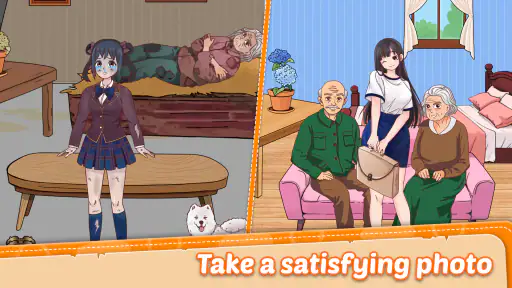
 Analysis by Frivlyz
When I have a few spare minutes and want something more engaging than scrolling, I’m drawn to puzzles that make me stop and look at a problem differently. Annoying Puzzle Game is built around that small, satisfying pause: it asks you to work through playful brain teasers, and its light tone keeps the challenge from feeling too serious. I see it as a casual puzzle game for people who enjoy a little head-scratching without needing to settle in for a long session.
A quick puzzle break that asks for your attention
The appeal here is the contrast between a relaxed presentation and puzzles that are meant to catch you out. The game’s store summary puts the emphasis on entertaining challenges, and that matches the basic idea: the fun comes from trying an answer, noticing what you missed, and adjusting your approach. The title hints at the mood, too. A puzzle that feels slightly irritating can be enjoyable when the irritation nudges you to think rather than simply punishes a mistake.
I would reach for it during a short wait, a quiet moment at home, or a break between other tasks. It is a better fit for someone who wants to focus on one small challenge than for someone looking for a sprawling story or a game that rewards fast reflexes. The key question is whether you like being surprised by a puzzle’s logic. If you prefer clear instructions and predictable rules from the start, that same surprise may feel more frustrating than fun.
How the session rhythm feels
A useful way to approach a puzzle game like this is to give each problem a little attention, then decide whether you want to keep going. I wouldn’t treat every level as a test of speed. A calmer rhythm makes it easier to notice details, and it takes pressure off when an answer does not come immediately. The pleasure is often in the moment when a confusing prompt finally makes sense, not in racing through a sequence.
That makes the game suitable for short, flexible play, but it also creates a trade-off: a quick puzzle can still occupy your thoughts after you put your phone down. If you have only a few seconds before you need to concentrate on something else, it may be better to wait until you have a little breathing room. When I want a clean break that requires no thought at all, a puzzle is not the right choice; when I want a small mental reset, it can be.
For a practical everyday example, imagine waiting for a friend who is running late. I’d open a puzzle, give it a focused attempt, and stop when it was time to meet rather than trying to squeeze in one more level. That approach preserves the casual feel and avoids turning a light diversion into a source of hurry. It also gives the game a clear role: a little challenge to fill an otherwise idle moment, not something that needs to take over the day.
Pausing, returning, and handling a tricky moment
Puzzle games ask for more mental continuity than a passive distraction, so interruptions matter. If you are likely to be called away, try to make a mental note of what you have already tested before switching tasks. Even a simple observation—such as which interpretation you ruled out—can make it easier to resume without repeating the same guesses. This is a useful habit for any problem-solving game, especially one whose appeal depends on looking at a prompt from an unexpected angle.
Gaming Stories You May Enjoy

Dancing Road Turns Short Breaks Into a Test of Rhythm and Timing

Super Stylist Makes Every Outfit a Test of Taste and Patience

Dominoes on Your Terms: Who Should Play and Who Should Pass

Pokémon GO Makes the Familiar World Feel New

Chess.com Turns Rematches Into Rivalries, but Community Has Its Costs

Archery Battle 3D Review: Sharp Aiming, Unclear Feedback
When you get stuck, take a short pause before reaching for help. I find that stepping away can make a clue or an assumption stand out when I return. If the game offers a hint in the situation described in the published review below, I’d use it as a nudge rather than as a first move: try one or two reasonable interpretations, then ask for help if you are no longer learning from random attempts. That keeps the satisfaction of solving the puzzle while limiting the frustration of being stalled.
There is a personal trade-off here. Some players enjoy pushing through a puzzle unaided; others would rather preserve the pace and use a hint. Neither approach is a failure. If you are playing to relax, forcing yourself to solve every challenge can make the game feel like work. If you are playing for the satisfaction of figuring out the trick, waiting longer before asking for help may be the better choice.
What replay value means in practice
Replayability is most compelling when returning to a puzzle offers a fresh way to think, not just another reason to repeat a task. The original review below describes returning to earlier levels to look for alternative solutions or a more efficient approach. That kind of revisit can suit players who enjoy comparing their own reasoning over time. Still, I would not assume that every puzzle will feel new on a second attempt: once you know the key idea, some of the surprise is naturally gone.
For that reason, I’d treat replaying as optional rather than as the main reason to install the game. If a solution felt clumsy, going back can be worthwhile as a small personal challenge. If you already understood the trick and feel ready to move on, there is no need to turn every level into a score-chasing exercise. Puzzle fans who enjoy refining their approach may get more out of revisits than players who mainly want a steady stream of brand-new surprises.
It is also worth keeping expectations grounded. The published description of the game focuses on puzzles, while the earlier review makes broader claims about regular additions and an active community. I would not make those claims the deciding factor for a new player. The safer reason to try it is the immediate puzzle-solving experience, rather than relying on a promise of a particular update schedule or on finding other players to discuss solutions.
Where it sits among puzzle games
Compared with familiar alternatives, this is best considered a light, challenge-led option rather than a deep logic toolkit or a long-form puzzle adventure. A crossword or number puzzle tends to rely on established conventions; a trickier casual puzzle may instead invite you to question what a prompt means. That makes this game a better match for people who like surprises and lateral thinking than for those who want a consistent, learnable system they can practise at length.
It is also different from a relaxing matching game, where the main appeal is a smooth rhythm and obvious feedback. Here, the mental pause is part of the point. If you are already tired and just want something soothing, a low-pressure matching or word game may suit you better. If you want to test your assumptions for a few minutes, this title is more likely to deliver the kind of small jolt that makes a break feel active.
The game is free to start, with in-app purchases ranging from $0.99 to $15.99 per item. I’d treat any purchase as optional and decide based on how much you are enjoying the puzzles, rather than assuming you need to spend to get value from a casual game. It is rated Everyone 10+, so it may be suitable for a family looking for light puzzle play, while a parent should still use their own judgment about a child’s comfort with the game’s tone and challenges.
Who will enjoy it—and who may not
I’d recommend giving it a try if you like quick brain teasers, don’t mind being caught off guard, and can laugh at yourself when an answer seems obvious only after you see it. It may also suit someone who wants a simple way to make a waiting period feel a little more engaging. The game’s popularity is substantial, with over 10 million installs and a 4.7 average from around 33,000 ratings, but those figures cannot tell you whether its particular style of puzzle will click with you.
I would skip it if you want a carefully explained progression, a calm experience with no moments of frustration, or a substantial narrative to follow. It is also not ideal when you need to keep your attention entirely on another task; even a brief puzzle can pull you into trying to solve it. For a more methodical challenge, a conventional logic or word-puzzle app may be a better fit. For an easygoing distraction, a simpler casual game could feel less demanding.
GPLAY JSC developed the game, which was released on June 28, 2024. The current version is 1.2.4 and it requires Android 7.0 or later. Those details make it easier to check basic compatibility before installing, while the free starting price leaves room to see whether the puzzle style suits you before deciding whether it deserves a regular place on your phone.
Getting Started with the Game
As soon as you download and open the Annoying Puzzle Game, you’re met with a quirky little interface that doesn’t take itself too seriously. The graphics are simple yet charming, and the navigation is pretty intuitive. You don’t need a manual to figure things out, which is always a plus in my book. From the get-go, the game sets the tone with its playful music and cheeky prompts, making it clear that this game is all about light-hearted fun.
Puzzle Mechanics and Gameplay
The gameplay is where things get interesting. Each level presents a unique puzzle that you need to solve to progress. The puzzles vary in style and complexity, keeping you on your toes. One moment you might be arranging tiles in a specific order, and the next you’re deciphering cryptic codes. It’s this variety that keeps the game fresh and engaging. Just when you think you’ve got the hang of it, a new challenge is thrown your way.
What makes this game “annoying” in the best way possible is the tricky nature of the puzzles. They’re designed to make you think outside the box and challenge your logical thinking. But don’t worry, if you get stuck, there are hints available to help you out. Although, let’s be honest, using the hints kind of feels like admitting defeat, doesn’t it?
Why You’ll Keep Coming Back
One of the standout features of the game is its replayability. Each puzzle can be solved in multiple ways, so you might find yourself going back to previous levels just to see if you can beat your own time or find a more efficient solution. Plus, the developers are pretty generous with updates, regularly adding new levels and features to keep things interesting.
Another highlight is the community aspect. Players can share their unique solutions and strategies online, creating a vibrant community around the game. It’s always fun to see how others tackle the same challenges you did, sometimes with wildly different approaches.
Final Thoughts
So, is the Annoying Puzzle Game worth your time? Absolutely! Whether you’re a casual gamer looking for a fun distraction or a puzzle enthusiast searching for your next challenge, this game has something for everyone. It’s a delightful blend of frustration and satisfaction, and isn’t that what makes a puzzle game truly great?
In conclusion, if you’re up for a bit of a challenge and don’t mind getting a little annoyed along the way, download the game and give it a try. Who knows, you might just find yourself hooked!
Annoying Puzzle Game Pros and Cons
Pros
- Challenging puzzles enhance problem-solving.
- Visually appealing design and graphics.
- Regular updates with new levels.
- Engaging sound effects and music.
- Offline mode available for uninterrupted play.
Cons
- Can be frustratingly difficult at times.
- Some levels require in-app purchases.
- Occasional bugs may disrupt gameplay.
- Ads can be intrusive and frequent.
- Limited hints lead to potential dead-ends.
Frequently Asked Questions
What is Annoying Puzzle Game about?
Annoying Puzzle Game is a challenging and engaging mobile game designed to test your problem-solving skills and patience. The game features a series of intricate puzzles that require strategic thinking and persistence to solve. With varying levels of difficulty, it offers both casual gamers and puzzle enthusiasts a chance to enjoy a unique and frustratingly fun experience.
Is Annoying Puzzle Game suitable for all ages?
While Annoying Puzzle Game is designed to be enjoyed by a wide audience, its challenging nature might be more suitable for older children and adults. Younger players may find the puzzles too complex or frustrating. However, it's a great opportunity for family members to collaborate and solve puzzles together, making it a fun and inclusive experience.
Are there in-app purchases in Annoying Puzzle Game?
Yes, Annoying Puzzle Game does offer in-app purchases. These are typically used to unlock additional levels, remove ads, or acquire hints to help solve particularly difficult puzzles. While the game is free to download and play, these optional purchases can enhance the gaming experience, allowing players to progress more smoothly through challenging levels.
Can I play Annoying Puzzle Game offline?
Annoying Puzzle Game can be played offline, making it an excellent choice for those who want to enjoy the game without relying on a constant internet connection. This feature is particularly convenient for players who commute or travel frequently, as it allows them to engage with the game's puzzles anytime and anywhere without worrying about connectivity issues.
What platforms is Annoying Puzzle Game available on?
Annoying Puzzle Game is available for download on both Android and iOS platforms. This ensures that users with different types of smartphones or tablets can enjoy the game. The game's availability on multiple platforms broadens its accessibility, allowing a larger audience to engage with its challenging puzzles and enjoy its unique gameplay.


