

Animal Jam
- Reviews
- 4.1
- Version
- 118.0.15
- Installs
- 10,000,000+

Screenshots
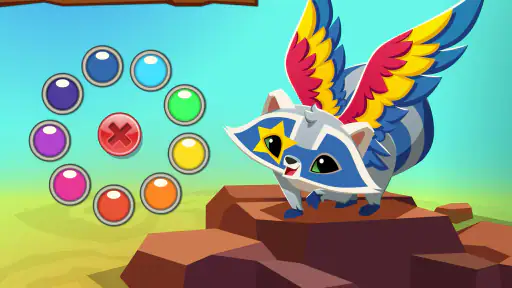
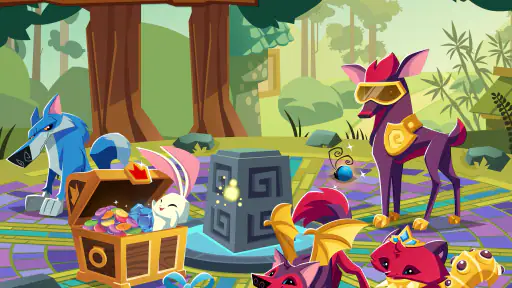
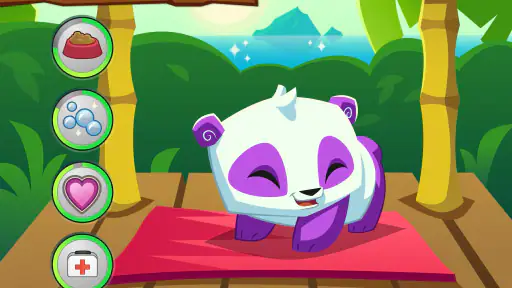
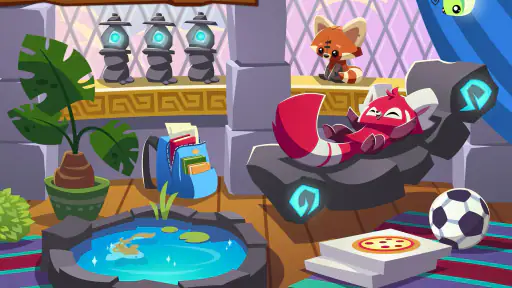
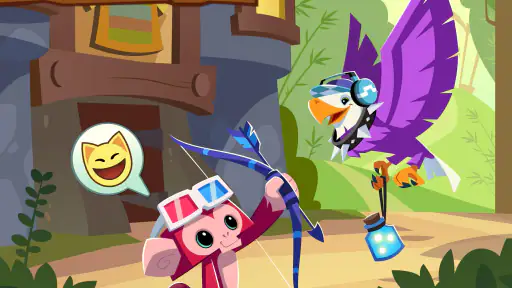

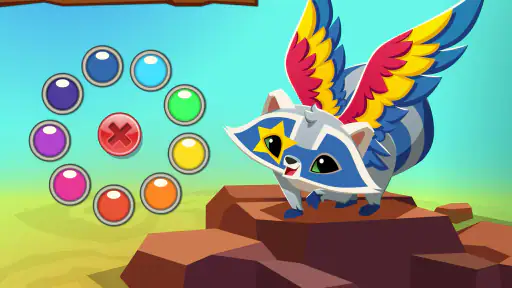
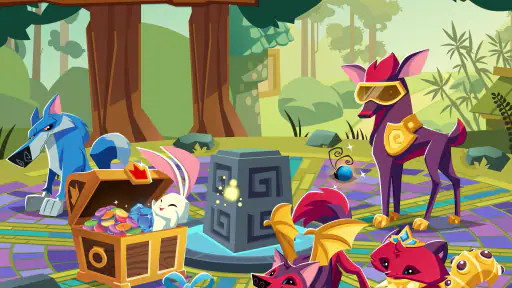
 Analysis by Frivlyz
I judge a children’s game less by how many activities it can advertise than by what it gives a player to do after the first burst of curiosity fades. With Animal Jam, the early appeal is easy to grasp: choose an animal, make it feel like yours, and head into a colorful world where exploring and learning sit alongside playful challenges. In my experience, that combination works best for a child who enjoys inventing a character and returning to small goals, rather than someone who needs a tightly guided story to keep moving.
That distinction matters because this is an online, social game as well as an educational one. Its pace leaves room for wandering, personal choices, and interaction, which can be a welcome change from lessons presented as quizzes. It also means parents may want to think about when and how a child plays, and whether the social side is a fit for their family. I’d see it as a playful routine to share and discuss, not as a substitute for a focused learning app or a guaranteed quiet-time activity.
What gives a new player a reason to begin
The first goals are pleasantly concrete: choose an animal, explore the available spaces, try activities, and work toward ways to personalize a character or den. That gives a new player something to do without making the opening feel like a long tutorial. I like this approach for children who are motivated by choice. They can decide what catches their attention instead of being pushed through one fixed sequence.
There is a useful trade-off here. A child who likes open-ended play may treat the freedom as an invitation; a child who wants clear instructions may ask what to do next. I’d help a younger player pick one modest aim for a session—try a new activity, look around a different area, or save toward a particular decoration—rather than expecting the game to supply a strong narrative objective at every turn.
How progress feels without a single finish line
Progress is expressed through the things a player can gradually earn and change, rather than only through a story that ends after a set number of stages. Currency from activities gives play a practical purpose, while animal and den customization makes the reward visible. That can be satisfying for a child who enjoys collecting and making a space reflect their taste. It also gives parents an easy way to ask what the player is working toward without turning the conversation into a test.
For a more deliberate session, I’d suggest choosing the desired reward first and then trying activities that contribute to it. This turns a loose wander into a small plan, while still leaving room to follow an unexpected discovery. It’s a modest strategy, but it can help a child notice the connection between effort and a chosen reward. The limitation is that a player who does not care about dressing up an avatar or decorating a den may not find those progress signals compelling for long.
Challenge, choice, and the pace of play
The mini-games add short bursts of focus between explorations. Puzzles, races, and matching activities offer different kinds of play, so a session does not have to be one uninterrupted stretch of roaming. I found that variety useful for changing gears: a player can try something quick, return to exploring, and decide whether to continue. The challenge is better understood as bite-sized variety than as a demanding campaign built around escalating difficulty.
Gaming Stories You May Enjoy

Dancing Road Turns Short Breaks Into a Test of Rhythm and Timing

Super Stylist Makes Every Outfit a Test of Taste and Patience

Dominoes on Your Terms: Who Should Play and Who Should Pass

Pokémon GO Makes the Familiar World Feel New

Chess.com Turns Rematches Into Rivalries, but Community Has Its Costs

Archery Battle 3D Review: Sharp Aiming, Unclear Feedback
That makes the game a reasonable fit for a short after-school break, especially when a child likes switching between activities. It may be less satisfying for someone looking for complex strategy, precise competitive balance, or a clearly measured skill ladder. I also wouldn’t assume that every activity will hold the same player’s interest; children have different tastes, so the best test is whether they naturally choose to revisit a particular kind of challenge rather than being urged to repeat it.
When online play changes the experience
Exploration and customization can be enjoyed as personal activities, but social interaction changes the feel of a session. Playing alongside others can make the world seem more lively, while chatting and group adventures give a child a reason to coordinate with other players. For families considering the game, this is a meaningful difference from a standalone educational app: the experience includes other people, so it deserves the kind of supervision and conversation that parents would apply to any online space used by a child.
I’d set expectations before handing over a device: talk about what a child should do if an interaction feels uncomfortable, and check the available family settings together. Safety tools can help, but they do not replace an adult’s judgement or a child knowing when to step away and ask for help. If a family prefers a completely offline activity, or is not ready for a social game, a self-contained animal-facts app, a drawing game, or an offline puzzle would be a better match.
Who is likely to enjoy the routine
I can see Animal Jam working particularly well for a child who likes animals, likes making visual choices, and enjoys returning to a world without needing to finish a level every time. It can also suit a parent and child who want an easy conversation starter: ask what animal they chose, what they learned, or what they want to customize next. The educational elements feel most useful when a child is curious enough to pause and engage with them, rather than treating every screen as something to hurry through.
By contrast, I would look elsewhere for a child who needs a firm lesson plan, a quiet game with no other players, or a short experience that reaches a clear ending. In the usual educational-game category, Animal Jam leans more toward a shared virtual playground than a structured curriculum. That is its distinctive appeal, but it also means families should decide whether open exploration and social play are what they want before making it part of a regular routine.
Getting Started: First Impressions
Downloading Animal Jam was a breeze, and in no time, I was setting up my first animal avatar. You start by choosing your character, which, let me tell you, is a delightful process. From playful pandas to sleek wolves, the options are plenty, and each comes with its own unique charm. The graphics are vibrant and detailed, really pulling you into this animated wonderland.
Exploration and Learning
Once you’re in, the game opens up a world of exploration. I found myself wandering through different lands, each offering new adventures and mini-games. The educational twist here is brilliant; it’s not just about fun, but learning too. You’ll find facts about animals, ecosystems, and conservation efforts sprinkled throughout, making it a sneaky way to learn while you play.
One of my favorite features is the way it integrates actual science facts. The app partners with the National Geographic Society, so you know the info is top-notch. For instance, while playing, I stumbled upon a fact about the migratory patterns of certain birds—it’s like having a mini encyclopedia in your pocket.
Customization and Creativity
Customization is a big part of the appeal. As you progress, you earn currency to deck out your animal and their den. Whether you want a rainbow-colored lion or a pirate-themed den, the sky’s the limit. It's a creative outlet that encourages self-expression, which I think is fantastic for kids and adults alike.
Social Interaction
The social aspect of Animal Jam is another highlight. You can chat with other players, form groups, and go on adventures together. The game has a robust chat system with filters to keep it safe for kids, which is a big plus for parents. I joined a few adventures with other players, and it really adds a layer of community to the game. It’s like a digital playground where making friends is part of the fun.
Challenges and Mini-Games
And then there are the challenges and mini-games. Whether solving puzzles or racing, these games are not only fun but help earn in-game currency. I found myself particularly addicted to the matching games, trying to beat my previous scores. It’s a great way to break up exploration with a bit of action.
The variety keeps things fresh, and there’s always something new to try. The developers seem committed to regular updates, so boredom isn’t likely to set in anytime soon.
Parental Controls and Safety
For those concerned about online safety, the app does a commendable job. There are parental controls and numerous safety features to ensure a secure environment for younger players. They’ve implemented privacy settings and chat filters to protect kids, which I found reassuring.
There’s even a parent dashboard to monitor gameplay and interactions, giving guardians peace of mind. It’s clear the developers prioritize safety, which is a huge plus in today’s digital age.
A Few Considerations
No app is perfect, and while Animal Jam offers a rich experience, it does come with in-app purchases. While you can enjoy the game without spending a dime, some of the cooler customization options are behind a paywall. It’s something to be mindful of, especially if kids are playing.
Overall, the game runs smoothly, but like with any online platform, occasional connectivity issues can occur. It’s minor, but worth mentioning for those who might find it frustrating.
How to keep play enjoyable over time
A simple routine can make the game feel more purposeful without turning it into a chore. I’d let a child choose one activity and one creative goal, then stop when either feels complete. For example, on a rainy afternoon, they might play a matching game, use what they earn toward a den idea, and tell me one animal fact they noticed. This keeps the session varied and gives the educational side a chance to land naturally.
Another practical tip is to separate curiosity from spending. Because some customization choices involve in-app purchases, it helps to agree on expectations before a child starts browsing options. The game is free to download, while individual in-app purchases range from $1.49 to $99.99, so I would make purchase approval explicit on a shared device. That boundary avoids the frustrating moment when a child assumes every appealing item is part of ordinary progress.
What parents and players should know before installing
Animal Jam is an educational game from WildWorks, rated Everyone, and it has an average rating of 4.1 from around 529,000 ratings, with more than 10 million installs. It first arrived on December 7, 2015, and its current version is 118.0.15, with Android 6.0 as the minimum operating system. Those details help set expectations: this is an established, actively versioned game, but a compatible device and a dependable connection matter for an experience built around an online world.
For a child who asks whether they can play without spending money, the practical answer is that the game is free, but purchases are available and some customization may be paid. For a parent wondering whether it is educational enough to replace schoolwork, I would say no: its learning is woven into play, not organized as a formal course. And for someone asking whether it is better than a conventional animal-facts app, it depends on the goal. Choose a reference app for direct, focused information; choose this when the child is more likely to learn by exploring, playing mini-games, and shaping an animal character.
How the progression holds up
The progression works best when the player supplies some of the motivation. New activities, earned currency, and creative choices give a child several reasons to return, but they do not guarantee that every session will feel like a major achievement. I like that this leaves room for self-directed play; I also see why a child who wants frequent, unmistakable milestones could lose interest. The game’s pull comes from a loop of exploring, trying an activity, and using rewards creatively, rather than from a clearly defined finish line.
My overall advice is to treat it as one option in a child’s play mix, not as an automatic daily habit. If they enjoy its animals, social world, and flexible goals, the open pace can be a strength. If they mainly want lessons with measurable steps, offline play, or a story that steadily raises the stakes, another educational game will probably suit them better. That’s the fairest way to judge its staying power: look at whether the child chooses to come back for the world and the creative freedom, not just because a reward is waiting.
In conclusion, Animal Jam is more than just a game; it’s an educational adventure wrapped in vibrant graphics and interactive gameplay. Whether you’re playing alone or with friends, it offers a mix of fun, creativity, and learning. If you’re looking for an app that engages and educates, this one’s definitely worth a download. So, why not give it a shot and see what’s waiting in the wild world of Animal Jam? You might just find yourself hooked like I did!
Animal Jam Pros and Cons
Pros
- Engaging educational content for kids.
- Safe
- monitored online environment.
- Customizable animal avatars.
- Interactive world with mini-games.
- Encourages creativity and exploration.
Cons
- In-app purchases can be costly.
- Requires internet connection to play.
- Limited features in free version.
- Occasional connectivity issues reported.
- Parental controls need improvement.
This Game in Other Languages
Frequently Asked Questions
What is Animal Jam and who is it for?
Animal Jam is an educational online virtual world designed for children aged 7 to 12. Developed by WildWorks, it combines fun animal-themed gameplay with educational content about wildlife and the environment. Kids can create and customize animal avatars, explore different ecosystems, and learn through interactive activities and games.
Is Animal Jam safe for children to play?
Animal Jam prioritizes safety with its secure environment and various parental controls. It features chat filters, reporting tools, and moderation to ensure a safe experience. Parents have access to controls that allow them to manage their child’s account settings, monitor activity, and limit playtime if necessary.
Are there any in-app purchases in Animal Jam?
Yes, Animal Jam offers in-app purchases that enhance the gaming experience. Players can buy virtual currency called Gems or Memberships, which unlock exclusive animals, dens, and items. While the game is free to download and play, these optional purchases provide additional content and customization options.
Can Animal Jam be played offline?
Animal Jam requires an internet connection to play as it is an online multiplayer game. The connection is necessary to access the virtual world, interact with other players, and participate in live events and activities. Offline play is not supported, so a stable internet connection is essential.
What educational content does Animal Jam offer?
Animal Jam integrates educational content about wildlife, conservation, and ecology within its gameplay. Players can learn about different animal species, habitats, and environmental issues through fun facts, videos, and interactive mini-games. This blend of entertainment and education helps foster curiosity and knowledge about the natural world.


