

Animal Crossing: Pocket Camp C
- Reviews
- 4.3
- Version
- 7.1.1
- Installs
- 100,000+

Screenshots
 Analysis by Frivlyz
I like how Animal Crossing: Pocket Camp makes room for small decisions instead of demanding a long, focused gaming session. A visit can be as simple as checking what animals need, gathering a few items, and choosing what to work toward next. That makes it a natural fit for a short break, though the gradual pace won’t suit anyone looking for a game with a brisk story or demanding challenges.
Choosing what to work toward
The satisfying part for me is deciding where to spend a session’s attention. Animal requests point me toward particular fish, fruit, or bugs, while crafting gives those resources a longer-term purpose. I can follow the immediate errands, or use a visit to make progress on furniture and amenities that support the look I want for camp. Neither approach is automatically better: requests offer a clear next step, while decorating is more rewarding when I have a specific style in mind.
A useful habit is to check what you already have before collecting more. If a request or crafting goal needs a certain resource, gathering with that purpose feels more efficient than roaming without a plan. I also like treating the camp as a project in stages: choose one area or visual idea to improve, then work toward it over several visits. That keeps customization from feeling like a pile of unrelated choices.
There is a trade-off between following the game’s prompts and keeping your own creative direction. Requests make the loop easy to understand, but doing them all just because they are available can turn a relaxing game into a checklist. I get more out of it when I pick a few goals and let the rest wait. The best pace is the one that leaves the game feeling like a break, not an obligation.
Rewards, waiting, and event pressure
Collecting materials and fulfilling requests provides a steady sense of progress, but it also means that a desired decoration may take more than one visit to reach. I see that as part of the game’s gentle planning rhythm rather than a reason to rush. If I’m aiming for a particular setup, I can gather toward it gradually instead of expecting every idea to become real in one sitting.
Seasonal activities add variety, but limited-time content can create a different kind of pressure: there is always the temptation to chase every available item. I’d recommend choosing a small number of rewards that genuinely appeal to you and treating the rest as optional. That approach protects the cozy feel, especially if you play irregularly. Missing an item is less frustrating when your enjoyment isn’t tied to completing every collection.
For a realistic everyday routine, imagine opening the game during a quiet commute or while waiting for a meal. You could check on the animals, fulfill a couple of requests, collect what you need for a chosen craft, and leave the larger decorating decision for later. The game works well in that sort of pocket of time because progress can be split into small steps. It is less compelling if you expect every session to deliver a major unlock or a dramatic change.
Gaming Stories You May Enjoy

Dancing Road Turns Short Breaks Into a Test of Rhythm and Timing

Super Stylist Makes Every Outfit a Test of Taste and Patience

Dominoes on Your Terms: Who Should Play and Who Should Pass

Pokémon GO Makes the Familiar World Feel New

Chess.com Turns Rematches Into Rivalries, but Community Has Its Costs

Archery Battle 3D Review: Sharp Aiming, Unclear Feedback
Making the camp feel like yours
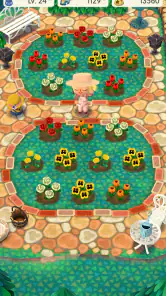
Customization is more satisfying when I think about how the pieces work together, rather than treating each new item as an isolated prize. A simple plan—such as making one corner feel like a garden or arranging furniture around a particular mood—can help a camp look intentional. Since the game also lets you personalize your camper and character, you can carry a preferred look across more than one part of the experience.
Animal friendships give those creative choices a social flavor within the game. Their requests create reasons to visit and interact, while inviting animals to the camp makes the space feel less like a display and more like a place with company. I would focus on the characters you enjoy rather than trying to treat every interaction as a task to clear. That keeps the relationship-building pleasant, which is the point for me.
One practical trade-off is that collecting and crafting can steer your choices toward whatever is easiest to make, rather than what best fits your vision. When that happens, I find it helps to keep a mental shortlist of the items or atmosphere I actually want. Then a new resource has a purpose, and I’m less likely to spend effort on a decoration I don’t care about just because it is available.
Who will enjoy this slower loop?
I’d recommend this simulation game to players who enjoy decorating, light collection, and friendly character interactions more than competition. It can also work for someone new to Animal Crossing who wants a mobile-sized introduction to its relaxed tone. Nintendo Co., Ltd. brings a recognizable series sensibility here, but the appeal is still quite specific: small goals, gradual progress, and a camp you can shape at your own pace.
On the other hand, I would skip it if you want an action-heavy game, a tightly directed campaign, or a system where every session delivers a major challenge. It is also not an ideal match if limited-time events make you anxious or if you dislike repeating resource-gathering routines. A more conventional life simulation may be a better choice if you want open-ended daily routines to be the main attraction; a puzzle or action game is a better fit when you want quick, decisive rounds.
Compared with many mobile simulation games, Pocket Camp puts more emphasis on collecting items and arranging a personal space than on managing a complex settlement. That makes it easier to dip into, but it also means that players who want deep economic systems or a high-stakes management puzzle may find the decisions light. Its strength is not strategic difficulty; it is choosing a modest goal, making progress, and enjoying the result.
Practical expectations before you settle in
The game costs $9.99, so I’d think about whether its relaxed, collectible-focused loop is something you’ll return to before buying. It is rated Everyone, has a 4.3 average from around 1,300 ratings, and has passed 100,000 installs. Those figures suggest a sizable audience, but they do not tell you whether the daily rhythm will suit your own taste. I’d judge it by whether decorating and completing small requests sound enjoyable, not by popularity alone.
It was released on November 8, 2024, and version 7.1.1 is listed for devices running Android 6.0 or later. If you are choosing a device for a younger player, the Everyone age rating is useful context, while the game’s gentle presentation is likely to be its most immediate appeal. The title’s premise is easy to grasp, but the longer-term enjoyment comes from setting personal goals rather than expecting a dramatic plot to carry you forward.
If you’re wondering whether it can be played casually, my answer is yes: its small activities lend themselves to brief visits. If you’re wondering whether you need to be a series veteran, I don’t think so; the basic appeal of collecting, crafting, and arranging a camp is clear on its own. The more important question is whether you enjoy slow accumulation. If waiting between steps or leaving some event items uncollected would bother you, another game may be a better use of your time.
A Cozy Campground Awaits
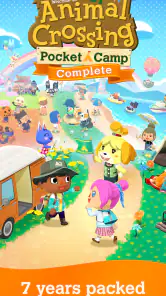
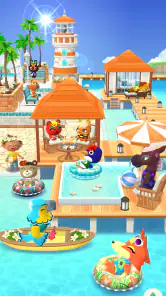
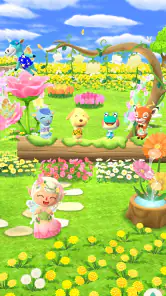
From the moment you fire up Animal Crossing: Pocket Camp, you’re greeted with the soothing sounds of nature and the welcoming faces of animal friends. The game plops you into a vibrant campground, where your main job is to decorate and manage your little slice of paradise. It’s all about creating a space that’s uniquely yours, filled with cute furniture, plants, and of course, adorable animal buddies.
Gameplay Galore
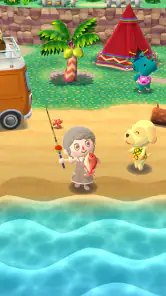
So, what do you actually do in this game? Well, it’s all about exploration and creativity. You’ll find yourself traveling to different locations, collecting resources like fruit, fish, and bugs. These aren’t just for show; you’ll use them to craft furniture and amenities, fulfilling the requests of your animal pals. It’s a satisfying loop that keeps you coming back for more.
And let’s not forget the seasonal events! These limited-time activities keep the game fresh, offering new items and costumes to collect. It’s a great way to keep players engaged and eager to see what’s next.
Interactions and Customization
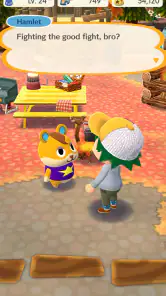
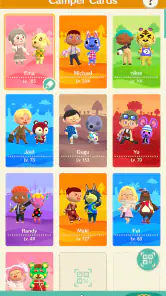
One of the things I love about Animal Crossing: Pocket Camp is the interaction with the animal characters. Each has their own unique personality, and building friendships with them is genuinely enjoyable. You’ll find yourself smiling as you chat with them, fulfilling their requests, and inviting them to hang out at your camp.
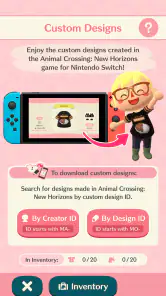
Customization is another big highlight. From the layout of your campground to your camper's paint job, everything can be personalized. You can even dress up your character in a variety of outfits, letting your creativity shine.
Final Thoughts
In a world filled with fast-paced, high-stakes games, Animal Crossing: Pocket Camp is a breath of fresh air. It’s a game that invites you to slow down, enjoy the moment, and indulge in a bit of creative expression. Whether you’re a longtime fan of the series or a newcomer, there’s something here for everyone.
So, if you’re looking for a mobile game that’s equal parts relaxing and rewarding, give Pocket Camp a try. It’s more than just a game; it’s a virtual getaway where you can unwind and let your imagination run wild. Happy camping!
Animal Crossing: Pocket Camp C Pros and Cons
Pros
- Engaging seasonal events and updates.
- Wide variety of furniture and clothing.
- Interactive social features with friends.
- Beautiful graphics and design.
- Relaxing
- non-competitive gameplay.
Cons
- Requires constant internet connection.
- Can be repetitive over time.
- In-app purchases can be pricey.
- Limited inventory space.
- Loading times can be long.
This Game in Other Languages
Frequently Asked Questions
What is Animal Crossing: Pocket Camp and how does it differ from the main Animal Crossing games?
Animal Crossing: Pocket Camp is a mobile adaptation of the popular Animal Crossing series, designed for Android and iOS devices. Unlike the main series games, Pocket Camp focuses on managing a campsite rather than a village or island. Players can decorate their campsite, interact with animal friends, and complete tasks to earn rewards. The gameplay is more task-oriented and episodic, making it suitable for short play sessions.
Is Animal Crossing: Pocket Camp free to play, and are there in-app purchases?
Yes, Animal Crossing: Pocket Camp is free to download and play. However, it includes in-app purchases that allow players to buy Leaf Tickets, a premium currency used to speed up progress, buy exclusive items, or enhance gameplay. While the game can be enjoyed without spending money, some players may find purchasing Leaf Tickets beneficial for quicker advancement.
What are the system requirements for Animal Crossing: Pocket Camp on Android and iOS?
For Android devices, Animal Crossing: Pocket Camp requires Android OS 5.0 or higher with at least 1.5 GB of RAM. For iOS devices, it requires iOS 11.0 or later and is compatible with iPhone, iPad, and iPod touch. Adequate storage space is also needed for downloading the game and subsequent updates. Users should ensure their devices meet these requirements for optimal performance.
Can I play Animal Crossing: Pocket Camp offline?
No, Animal Crossing: Pocket Camp requires an active internet connection to play. The game relies on online servers for saving progress, retrieving updates, and facilitating interactions with other players. Therefore, a stable internet connection is necessary to enjoy all the features the game offers, including events and updates.
How does social interaction work in Animal Crossing: Pocket Camp?
Social interaction in Animal Crossing: Pocket Camp is facilitated through a friends system. Players can add friends using friend codes, visit each other’s campsites, and help out by giving kudos or sharing resources. Special events often encourage collaboration, allowing players to work together to achieve goals. This aspect adds a social layer to the game, enhancing the overall experience.


