

Age of Origins
- Reviews
- 4.1
- Version
- 1.3.773
- Installs
- 50,000,000+

Screenshots




 Analysis by Frivlyz
I judge a strategy game less by the size of its world than by the choices it asks me to make when several needs compete at once. Age of Origins puts that tension in a zombie-apocalypse setting: I’m trying to keep a settlement growing while preparing for danger, and those goals pull on the same attention and resources. That makes it a better fit for players who enjoy tending a base over time than for anyone looking for a quick, self-contained burst of action.
What you are paying for, and what you are not
This is a free strategy game from CamelStudio, with optional in-app purchases priced from $0.99 to $394.99 per item. That range is worth noticing before you start: spending is built into the business model, but the listed prices alone do not tell me what any purchase contains or whether it is necessary to progress. I would treat purchases as optional until I understood their purpose in play, rather than assuming that a large price means a required shortcut.
The game has an average rating of 4.1 from around 540,000 ratings, and it has been installed over 50 million times. Those figures suggest a large audience, not a guarantee that its pace or spending options will suit every player. Its Teen age rating is another practical point for families: I’d check the current store page and device settings before letting a younger player download it, rather than relying on the zombie theme alone to judge suitability.
Our Stories on Age of Origins
Age of Origins: How Strategy Games Shape Our Digital Lives
NewsMoto Rider: The Thrill of Speed and Strategy in Mobile Racing
NewsDancing Road Turns Short Breaks Into a Test of Rhythm and Timing
NewsSuper Stylist Makes Every Outfit a Test of Taste and Patience
NewsDominoes on Your Terms: Who Should Play and Who Should Pass
NewsPokémon GO Makes the Familiar World Feel New
NewsIt is free to try, but “free” does not mean friction-free. In a long-running strategy game, the important question is whether I enjoy the regular decisions enough to keep returning without paying. I would play for a while, learn what the ordinary progression feels like, and only then decide whether an optional purchase solves a problem I actually have. If a timer or resource bottleneck makes me impatient, taking a break is a better first response than buying something in the moment.
Survive, Build, and Thrive
The game kicks off with a bang. You're thrown right into the chaos of a world overrun by zombies. Your mission? Simple. Survive, build a city from scratch, and reclaim the Earth. The initial stages of the game are all about gathering resources and building up your defenses. And trust me, it's not as easy as it sounds.
What I love about Age of Origins is its attention to detail. Every building you construct has a purpose, and every decision you make has consequences. It’s not just about slapping together a few structures and calling it a day. You need to strategize, allocate resources wisely, and prepare for attacks. The level of depth is both challenging and incredibly rewarding.
Progress that asks for a routine
The city-building loop works best when I treat each visit as a short planning session instead of trying to complete everything at once. I check which resources are running low, decide what matters next, and avoid starting several upgrades that all compete for the same supply. That simple habit makes the settlement feel like a strategy problem rather than a checklist. It also helps me notice when I’m logging in because I have a clear goal and when I’m just reacting to prompts.
Gaming Stories You May Enjoy

Chess.com Turns Rematches Into Rivalries, but Community Has Its Costs

Archery Battle 3D Review: Sharp Aiming, Unclear Feedback

Should You Switch to Geometry Dash Meltdown? A Test of Timing and Patience

Fidget Toys Trading・Pop It 3D: What Happens When the Game Stumbles

NBA LIVE Mobile Makes the Season the Main Event

Sonic Forces: PvP Battle Race - Speed and Strategy Combined
A realistic session might be a quick check during a break: collect what is ready, choose one useful improvement, review defenses, then leave the game alone until I have time to focus again. If I have a longer stretch, I can spend it thinking through priorities instead of tapping through tasks without a plan. This rhythm is more comfortable for me than trying to keep the game open throughout the day, and it is a sensible way to test whether its ongoing demands fit my schedule.
One useful trade-off is to value flexibility over the most impressive-looking upgrade. A building may sound appealing, but the better choice depends on the resource pinch or defensive weakness I am facing now. I would keep a small reserve rather than committing every available resource the moment it arrives; having options matters when the next problem is different from the one I expected. This is not a magic shortcut, just a way to avoid turning every new objective into a forced delay.
Compared with a compact turn-based strategy game, this kind of city-and-war format is less about finishing a carefully bounded match and more about returning to a continuing world. That can make progress satisfying, because today’s decisions feed into later ones, but it also means I would not choose it for a five-minute game with a definite endpoint. Players who prefer puzzles, tactical battles that reset cleanly, or campaigns they can complete at their own pace may be happier with a different strategy game.
A Community of Survivors
One of the standout features of this game is its emphasis on community. You're not alone in this fight. There are alliances to be made and friends to be found. The alliance system is robust, allowing you to team up with other players to tackle bigger challenges. It's a game-changer, especially when the hordes of zombies start to become overwhelming.
Being part of an alliance also opens up new gameplay elements. You can participate in alliance wars, share resources, and strategize with your teammates. It's all about working together to survive and thrive in this post-apocalyptic world.
The social side changes what I would look for before joining a group. A lively alliance can make coordination and shared goals more engaging, but it may also create expectations to be present or responsive. I’d pay attention to how a group communicates and whether its pace suits my own; a casual player should not feel obliged to match the schedule of a highly competitive team. If I prefer to play entirely alone and avoid coordination, the alliance emphasis may be a reason to choose a more solitary strategy game.
For someone who does join, a practical approach is to ask what the group expects before committing, then keep communication focused on the goals at hand. Cooperation is most useful when it helps members make decisions together, not when it turns play into another obligation. The game’s social structure is a meaningful part of its appeal, but the right experience depends as much on the people I play with as on the mechanics themselves.
Pressure, fairness, and the limits of what price tells me
Optional purchases can create a fairness question in any strategy game where players develop over time and compete with others. Here, I can confirm that purchases are offered across a wide price range, but the prices do not establish how much advantage an item provides, how competition is balanced, or whether a non-paying player can keep pace. I would not call the game pay-to-win on that basis, and I also would not promise that spending has no effect. Those are different claims, and neither follows from the price range alone.
My advice is to separate enjoyment from urgency. Before buying, I would ask whether the item supports a goal I already care about, whether I understand what it offers, and whether I am comfortable with the charge. If the appeal is mainly the fear of falling behind, I’d pause. A strategy game should still feel worth playing when I make decisions at my own pace; if progress only feels satisfying after spending, that is a good sign to reconsider the fit rather than escalating a purchase.
The game is free, but purchases run from $0.99 to $394.99 per item; those are the only clear spending facts I would use to judge its affordability. I can’t tell from those prices alone what is inside each offer or how the game handles competitive balance. I’d inspect each purchase in context, use device-level purchase controls where appropriate, and avoid letting a limited-time prompt make the decision for me.
Who will enjoy it, and who should pass
I’d recommend trying it if you like a persistent base to improve, enjoy balancing resources against defensive needs, and find cooperation with other players motivating. The zombie setting gives those decisions a strong theme, while the settlement provides a reason to return and adjust plans. Its 1.3.773 version supports devices running Android 7.0 or later, so compatibility is worth checking before downloading; the game itself is free to start.
I would skip it if you want a complete strategy campaign that ends after a set number of missions, dislike social or competitive pressure, or do not want a game that may invite optional spending. It is also a poor match if you expect every session to deliver a clean victory: the ongoing nature of base development means some visits are about preparation rather than dramatic payoff. For a relaxed solo puzzle or a short tactical match, a different style of strategy game is likely a better choice.
Age of Origins was released on September 21, 2018, and its long presence alongside a large player base makes it feel like an established choice rather than a new experiment. That longevity may appeal to people seeking an active shared world, but it can also make a newcomer wonder how much there is to learn. I’d approach the early game as a gradual introduction, focus on understanding the basic resource and defense decisions, and avoid comparing my progress with players who have been building for much longer.
Visual atmosphere and practical expectations
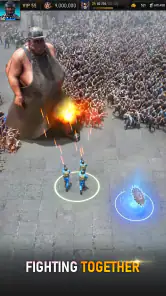
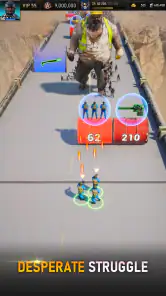
Let’s talk graphics for a moment. The visuals in Age of Origins are nothing short of stunning. The game developers have done a fantastic job creating a world that feels both menacing and beautiful. The details in the zombie designs are eerie and lifelike, adding to the overall immersive experience. Plus, the transitions from day to night and the changing weather conditions keep the gameplay fresh and dynamic.
The atmosphere helps distinguish the game from a purely abstract city planner: the setting makes the work of building defenses feel connected to the threat outside the walls. That said, visuals are a personal draw, not a substitute for a satisfying strategy loop. I would give the game a fair trial based on whether I enjoy planning and community play, not just whether the first impression looks dramatic.
One question I’d answer for myself early is whether I want a game that asks for repeated check-ins. There is no need to turn that into an all-day habit: I can set a comfortable routine and see if the decisions remain enjoyable. Another is whether I can play without spending; the game is free to download, and purchases are optional, but the listed price range cannot guarantee how every stage of progress will feel. A third is whether I want to coordinate with others; alliances are central enough that a fully solitary preference may make another game a better fit.
If you are deciding between this and a familiar strategy alternative, think about the shape of play you want. A one-off tactical game gives clearer boundaries and usually asks you to solve a contained challenge; this one puts more emphasis on developing a settlement and engaging with a shared player community. Neither approach is inherently better. I find the persistent format rewarding when I want a world to revisit, while a self-contained game wins when I want a session that is easy to finish and set aside.
My verdict on trust and fit
In conclusion, if you're a fan of strategy games and love a good zombie apocalypse scenario, Age of Origins is definitely worth checking out. Its combination of strategic gameplay, community elements, and top-notch graphics make it a standout in the genre. So gear up, form alliances, and dive into this thrilling game. You won't regret it!
My recommendation is a little more conditional: I think it is worth trying if you enjoy long-term settlement planning and want the social layer, but I would not promise that every player will enjoy its pace or competitive environment. The average rating is 4.1, which gives a useful snapshot of a broad audience’s response, not a personal guarantee. I’d play free first, keep purchases deliberate, and judge the game by whether its daily decisions feel enjoyable rather than obligatory.
Overall, this is a specific kind of strategy experience: a zombie-themed city to develop, defenses to consider, and alliances that can turn progress into a shared activity. The strongest reason to try it is that blend of planning and community. The strongest reason to pass is wanting a fully contained, low-pressure game instead. If the first description sounds like the kind of ongoing challenge you want, I’d give it a careful try and let your own routine—not the promise of catching up—decide whether it earns a place on your device.
Age of Origins Pros and Cons
Pros
- Immersive graphics and sound effects.
- Engaging storyline with strategic elements.
- Regular updates with new features.
- Strong community and multiplayer options.
- Free to play with optional in-app purchases.
Cons
- Resource management can be challenging.
- In-app purchases can be costly.
- Requires a stable internet connection.
- Can be time-consuming to progress.
- Occasional bugs and glitches.
This Game in Other Languages
Frequently Asked Questions
What is Age of Origins?
Age of Origins is a strategic mobile game set in a post-apocalyptic world where players must build and manage their bases while fending off zombie hordes. The game combines elements of strategy, resource management, and tower defense, allowing players to form alliances, engage in battles, and explore expansive territories to survive and thrive in this immersive environment.
How do I download Age of Origins?
You can download Age of Origins for free from the Google Play Store for Android devices or the Apple App Store for iOS devices. Simply search for 'Age of Origins' in the respective store, click on the 'Install' button, and follow the on-screen instructions to complete the download and installation process. Make sure your device meets the minimum system requirements for smooth gameplay.
What are the key features of Age of Origins?
Age of Origins offers a variety of features that enhance the gameplay experience. Players can enjoy strategic base-building, real-time battles, and alliances with other players worldwide. The game also includes a diverse array of units and heroes to recruit, a deep storyline to explore, and numerous events and challenges to participate in. These features make the game both engaging and competitive.
Is Age of Origins free to play?
Yes, Age of Origins is free to play. However, it does offer in-app purchases that allow players to buy resources, speed up progress, or acquire special items that can enhance gameplay. While spending money can provide certain advantages, it is entirely optional, and players can still enjoy the full experience without making any purchases.
Can I play Age of Origins with friends?
Absolutely! Age of Origins encourages social interaction and teamwork. Players can join alliances with friends or other players to collaborate on missions, share resources, and strategize for battles. The game also features chat functions for communication and coordination, making it easy to connect and play with others around the globe. This social aspect adds depth and enjoyment to the gaming experience.


